


 English
 Español
 عربى
عربى
Content
- 1 Why a Waterproof Sofa Cover Is Worth Having
- 2 How Waterproof Sofa Covers Actually Work
- 3 Types of Waterproof Sofa Covers by Style and Fit
- 4 Best Materials for Waterproof Couch Covers
- 5 How to Choose the Right Size Waterproof Sofa Cover
- 6
- 7 Waterproof Sofa Covers for Pets: What to Look For
- 8 How to Put On a Waterproof Sofa Cover Without It Looking Messy
- 9 Cleaning and Caring for Your Waterproof Sofa Protector
- 10 Comparing Waterproof Sofa Covers by Price Range
- 11 Waterproof Sofa Covers for Outdoor Furniture
- 12 Final Tips for Getting the Most from Your Waterproof Sofa Cover
Why a Waterproof Sofa Cover Is Worth Having
A waterproof sofa cover is one of those purchases that feels unnecessary right up until the moment you desperately need it. Whether it's a knocked-over glass of red wine, a pet that didn't quite make it outside in time, a toddler with a juice box, or just the daily accumulation of body oils and sweat — sofas take a beating. A standard fabric slipcover might protect against dry debris, but liquids go straight through. A waterproof couch cover puts an actual barrier between life and your upholstery.
Beyond spill protection, waterproof sofa covers are increasingly popular in homes with pets, elderly family members, young children, or anyone who eats on the couch regularly. They're also a practical solution for protecting furniture during moves or renovation work, or for extending the life of an older sofa that still has good bones but worn-out fabric. The market has expanded significantly in recent years, offering covers that are genuinely waterproof, machine washable, and stylish enough that guests won't immediately notice they're there.
How Waterproof Sofa Covers Actually Work
Not every cover marketed as "waterproof" provides the same level of protection. Understanding the construction helps you buy the right thing the first time and avoid disappointment after the first spill test.
Laminated Waterproof Barrier Layer
The most effective waterproof sofa protectors use a three-layer construction: a soft top fabric layer that looks and feels like upholstery, a middle laminated TPU (thermoplastic polyurethane) or PVC membrane that is completely liquid-impermeable, and a bottom layer that grips the sofa surface. The TPU membrane is the key component — it's the same material used in waterproof outdoor gear and medical mattress protectors. When liquid hits the top fabric, it pools on the surface of the membrane rather than soaking through to the sofa cushions below.
DWR-Treated Fabric (Water-Resistant, Not Waterproof)
Many covers are treated with a DWR (Durable Water Repellent) finish that causes water to bead and roll off the surface rather than absorbing immediately. This is water-resistant, not truly waterproof. DWR-treated covers handle light splashes and quick cleanups well, but a large spill left to sit for a few minutes will eventually penetrate the fabric and reach the sofa underneath. These covers are cheaper and often softer in feel, but they're not the right choice if you need reliable, heavy-duty liquid protection.
Non-Slip Backing
A feature that often gets overlooked when shopping for waterproof furniture covers is the backing material. Covers without a non-slip backing will shift and bunch every time someone sits down or gets up, which quickly becomes annoying. Quality waterproof couch covers use a silicone-dot, rubberized, or brushed polyester backing that grips the sofa fabric firmly. Some covers also include elastic straps or adjustable ties that anchor the cover under the sofa cushions or around the frame for an even more secure fit.
Types of Waterproof Sofa Covers by Style and Fit
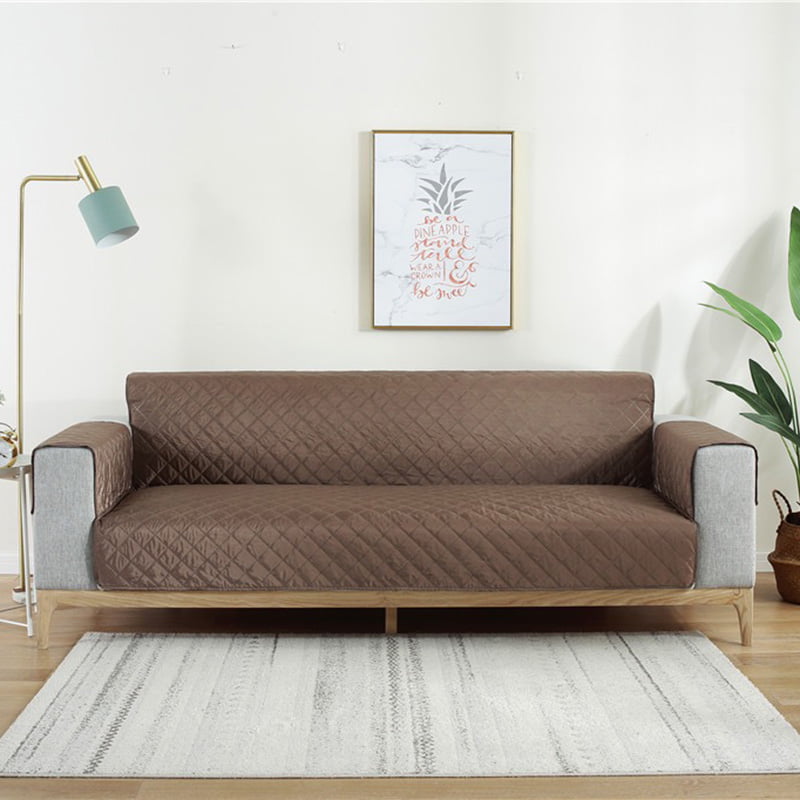
Waterproof sofa covers come in several distinct styles, each with a different approach to fitting and covering the sofa. The right type depends on your sofa's shape, how much of it you want covered, and how important aesthetics are to you.
| Cover Type | Best For | Fit Style | Aesthetic |
| Full Slipcover | Complete sofa refresh and full protection | Stretch fabric wraps entire sofa | Neat, tailored look |
| Sofa Throw/Blanket Cover | Quick, casual daily protection | Draped over seat and back | Relaxed, casual |
| Cushion Covers | Protecting individual seat cushions only | Zippered or slip-on per cushion | Minimal, discreet |
| Sectional Sofa Cover | L-shaped or modular sectionals | Multi-piece or L-shaped cut | Fitted, unified look |
| Recliner Cover | Reclining sofas and chairs | Designed with opening for footrest | Functional, fitted |
| Pet Sofa Cover/Hammock | Dogs and cats with assigned sofa spots | Anchors to headrest and base | Practical, utilitarian |
Best Materials for Waterproof Couch Covers
The fabric on the outside of a waterproof sofa cover affects how comfortable and durable it is in daily use. The waterproof membrane handles the liquid protection, but the outer layer is what you sit on, see, and feel. Here's how the most common materials compare.
Polyester Microfiber
Microfiber polyester is the most popular outer fabric for waterproof sofa covers because it balances softness, durability, and cost effectively. It has a suede-like texture that feels comfortable against bare skin, resists pilling, and holds its color well through repeated machine washing. When laminated over a TPU membrane, microfiber creates a cover that looks like a normal slipcover but provides complete liquid protection underneath. It's the best all-around choice for most households.
Quilted Cotton with Waterproof Backing
Quilted cotton waterproof sofa covers are popular in homes where comfort and breathability are priorities. The quilted top layer feels soft and has an attractive texture, while a waterproof backing (usually vinyl or laminated polyester) prevents liquid penetration. These covers tend to feel warmer and more cozy than microfiber options, making them a good choice for living rooms used heavily in cooler months. The quilted construction also adds a layer of cushioning that can make a firm sofa feel slightly softer.
Stretch Polyester Jacquard
For full slipcover-style waterproof sofa protectors, stretch jacquard polyester is a common fabric choice. The four-way stretch allows a single cover size to fit a range of sofa dimensions without looking baggy or bunched. Jacquard weaving creates subtle patterns in the fabric that add visual interest, making these covers look much more like intentional decor than a utilitarian protective covering. When combined with a waterproof inner laminate, stretch jacquard slipcovers provide both protection and aesthetics in one product.
Velvet or Plush Fabric
A growing segment of the waterproof cover market uses velvet or plush outer fabrics to create a more premium look and feel. These covers typically feature a soft pile surface that mimics the texture of velvet upholstery, with a waterproof TPU membrane laminated to the back. They look luxurious and are particularly popular for living rooms where appearance matters as much as function. The downside is that velvet-style fabrics attract pet hair more readily than smooth microfiber and can require more effort to keep looking fresh.
How to Choose the Right Size Waterproof Sofa Cover
Fit is where most waterproof sofa cover purchases go wrong. A cover that's too large bunches up and slides around; one that's too small creates tension that pulls the cover off the sofa and leaves gaps. Getting the sizing right requires measuring your sofa accurately before you buy.
- Overall width: Measure from the outer edge of one armrest to the outer edge of the other armrest. This is the primary sizing dimension. Most covers list a compatible width range — make sure your sofa falls within it, not at the extreme edges.
- Seat depth: Measure from the front edge of the seat cushion to the back of the seat where it meets the cushion back. Deep-seat sofas (over 24 inches) often require a specifically labeled deep-seat or XL cover for proper coverage.
- Back height: Measure from the seat surface to the top of the sofa back. High-back sofas over 36 inches tall may not be fully covered by a standard slipcover and require an extra-tall option.
- Arm height and style: Rolled arms, track arms, and slope arms all sit at different heights and widths. Some covers are specifically designed for one arm style — check the product description before purchasing if your sofa has unusual armrest geometry.
- Sectional configuration: For an L-shaped sectional, measure both the long side and short side independently and look for a sectional-specific cover set, or use two separate sofa covers sized to each section.
Waterproof Sofa Covers for Pets: What to Look For
Pet owners have specific needs from a waterproof couch cover that go beyond simple spill protection. A dog or cat that regularly uses the sofa brings moisture from drool and wet fur, sharp claws that can snag fabric, and persistent pet hair that embeds itself into any textured surface. The ideal pet-proof waterproof sofa cover addresses all three of these challenges simultaneously.
- Scratch resistance: Look for covers made with tightly woven fabrics or reinforced microfiber that resists snagging from claws. Some pet-specific covers use a higher-denier polyester that holds up better to repeated scratching than looser weave fabrics.
- Hair release fabric: Certain microfiber weaves are specifically designed to prevent pet hair from embedding deep into the fibers. These fabrics allow hair to sit on the surface where it can be removed with a lint roller or vacuum attachment rather than requiring extensive grooming to get clean.
- Hammock-style anchoring: A pet sofa cover designed as a hammock — with straps that loop over the headrest and tuck under the front base of the sofa — creates a sling that contains shedding and protects both the seat and the floor in front of the sofa. This style also tends to stay in place better under an active dog than a simple draped cover.
- Odor resistance: Some pet-specific waterproof furniture covers incorporate antimicrobial treatments that inhibit the growth of odor-causing bacteria. This is a useful feature for homes with older dogs or pets prone to accidents.
- Easy machine washing: A pet cover that you can't wash frequently isn't doing its job. Confirm the cover is machine washable on a warm cycle and tumble-dryer safe before purchasing — cold-wash-only covers are inconvenient for high-use pet households.
How to Put On a Waterproof Sofa Cover Without It Looking Messy
The biggest complaint people have about sofa covers isn't the protection — it's that they look sloppy and keep shifting. A few simple installation techniques make a dramatic difference in how neat and secure your waterproof sofa slipcover looks and stays.
Start with the Back and Work Forward
For full slipcovers, start by draping the cover over the top back of the sofa and pulling it down toward the seat. Smooth out wrinkles from the center outward as you go, and tuck excess fabric into the crevices between the seat cushions and the back. This "tuck" is the most important step — the fabric you push down into the sofa crevice acts as an anchor that resists the cover shifting when someone sits down.
Use Sofa Cover Tuck Grippers
Foam tuck grippers — sometimes called sofa wands or cover anchors — are inexpensive tools sold specifically to keep slipcovers in place. They're wedge-shaped foam pieces that you push into the sofa crevice on top of the tucked fabric, using friction to hold the cover in position far more effectively than tucking alone. If your waterproof couch cover didn't come with these, they're available separately for a few dollars and genuinely make a difference in how long the cover stays put between adjustments.
Attach Any Included Straps and Fasteners
Most quality waterproof sofa covers include elastic straps, Velcro tabs, or drawstring channels around the base hem. After tucking the cover in place, reach under the sofa skirt and connect any base straps, cinch any drawstrings, and press any Velcro tabs into position. These fasteners are there for a reason — covers installed without them will shift much more frequently, especially on leather sofas where there's less friction to resist movement.
Cleaning and Caring for Your Waterproof Sofa Protector
One of the biggest advantages of a waterproof sofa cover over bare upholstery is how easy it is to clean. But the waterproof membrane that makes these covers so effective can be damaged by certain washing methods. Following the right care routine keeps the cover looking good and the waterproofing functional for years.
- Machine wash on a gentle or normal cycle: Most waterproof sofa covers tolerate machine washing well on a warm or cold gentle cycle. Avoid hot water, which can delaminate the TPU membrane or shrink the outer fabric over time. Use a mild detergent without bleach or fabric softener — fabric softener coats fibers and can reduce the effectiveness of any water-repellent treatment on the outer fabric.
- Tumble dry on low heat: High dryer heat is the fastest way to damage a waterproof membrane. Low heat or air-dry settings are always safer. If the cover is lightly damp after a low-heat cycle, finish air-drying it flat or over a drying rack rather than running another hot cycle.
- Spot clean between washes: For minor spills, blot (don't rub) with a damp cloth and mild soap. The waterproof surface means most spills sit on top and can be wiped clean without removing the entire cover for washing. This extends the interval between full machine washes and reduces wear on the membrane.
- Never iron directly on the waterproof surface: Heat from an iron will instantly melt or warp the TPU membrane. If wrinkles are a concern, hang the cover while still slightly damp so it dries smooth, or use a steamer held several inches away from the surface rather than direct iron contact.
- Re-treat DWR surfaces periodically: If your cover uses a DWR water-repellent treatment on the outer fabric, this treatment degrades gradually with washing and use. Products like Nikwax TX.Direct spray can restore DWR performance on covers that have started absorbing surface moisture rather than beading it off.
Comparing Waterproof Sofa Covers by Price Range
The waterproof sofa cover market spans a wide price range, and while you don't need to spend the maximum to get good protection, you do get meaningful quality differences as you move up the price tiers. Here's what to realistically expect at each level.
| Price Range | Waterproof Level | Fabric Quality | Best For |
| $15–$35 | Water-resistant (DWR only) | Thin polyester, basic weave | Light use, dry debris, minor splashes |
| $35–$70 | Truly waterproof (laminated membrane) | Mid-weight microfiber or polyester | Pets, kids, everyday spill protection |
| $70–$130 | Heavy-duty waterproof membrane | Quilted, velvet, or premium microfiber | High-use homes, large dogs, incontinence care |
| $130–$250+ | Medical-grade or full slipcover system | Designer fabrics, tailored fit | Style-focused protection, premium furniture |
Waterproof Sofa Covers for Outdoor Furniture
Outdoor sofas face far more demanding conditions than indoor furniture — UV radiation, rain, humidity, bird droppings, and temperature swings all take their toll on cushions and frames. A waterproof outdoor sofa cover is a genuinely different product from an indoor slipcover, engineered for weather exposure rather than household spills.
For outdoor use, look for covers made from solution-dyed polyester or acrylic fabric treated with UV inhibitors — these materials resist fading and breakdown from sun exposure far better than standard polyester. The cover should be fully enclosing with a zippered bottom or secure tie-down system to prevent wind from lifting it off the furniture. Ventilation grommets or air vents prevent moisture from condensing under the cover and creating mold conditions on cushions. For year-round outdoor storage protection, a heavy-duty 600D polyester cover with a PVC or PE coating provides the most durable barrier against both weather and UV damage.
Final Tips for Getting the Most from Your Waterproof Sofa Cover
A waterproof sofa cover is a simple product that does its job quietly in the background — until the day it saves your sofa from a catastrophic spill and you realize exactly what it was worth. To get the most from your investment, keep a few practical points in mind as you shop and use your cover.
- Always confirm the cover uses a true waterproof membrane (TPU or equivalent) rather than just a water-resistant DWR treatment if you need reliable protection against significant liquid exposure.
- Measure your sofa carefully before buying and choose a cover that fits within the middle of the listed size range for the best results — not one where your sofa is at the very top end of the compatibility range.
- Invest in tuck grippers if your cover doesn't include anchoring fasteners — they cost very little and make a significant difference in how long the cover stays in position between adjustments.
- Wash your waterproof sofa protector every two to four weeks in a high-use household, or immediately after any significant soiling. Regular washing keeps the cover hygienic and prevents bacteria and odor from building up in the fabric.
- Consider buying a backup cover for high-traffic households. Having a second cover means you can put a clean one on immediately after removing the dirty one for washing, rather than leaving your sofa unprotected during the laundry cycle.

 +86-159 5050 0822
 peter@rainbowhomefashion.com
 No.199 Yimin Road, Dateng DIstrIct, Yancheng City. Jiangsu Province, China