


 English
 Español
 عربى
عربى
Content
- 1 What Is a Bamboo Duvet Cover and What Makes It Different?
- 2 The Real Benefits of Sleeping Under a Bamboo Duvet Cover
- 3 Bamboo Duvet Cover vs. Cotton Duvet Cover: A Side-by-Side Comparison
- 4 Types of Bamboo Fabric Used in Duvet Covers
- 5 What to Look for When Buying a Bamboo Duvet Cover
- 6 How to Wash and Care for a Bamboo Duvet Cover
- 7 Are Bamboo Duvet Covers Actually Eco-Friendly?
- 8 Who Should Buy a Bamboo Duvet Cover?
- 9 Common Complaints About Bamboo Duvet Covers (and How to Avoid Them)
- 10 How to Style Your Bedroom with a Bamboo Duvet Cover
What Is a Bamboo Duvet Cover and What Makes It Different?
A bamboo duvet cover is a bedding cover made from fabric derived from bamboo plant fibers. Unlike cotton or polyester covers, bamboo duvet covers are produced through a process that extracts cellulose from bamboo stalks and spins it into soft, breathable yarn. The most common fabric type used is bamboo viscose (also called bamboo rayon), though you'll also find bamboo lyocell and bamboo linen on the market — each with slightly different textures and production methods. The end result is a cover that feels noticeably silky and smooth against the skin, yet remains lightweight and cool throughout the night.
What sets bamboo bedding apart from conventional options is its combination of thermal regulation, moisture management, and hypoallergenic properties — all in one fabric. While a standard cotton duvet cover might feel heavy or trap heat, a bamboo duvet cover actively wicks moisture away from the body and allows air to circulate more freely. For people who sleep hot, sweat at night, or have sensitive skin, this distinction is more than a marketing claim — it makes a real, tangible difference to sleep quality.
The Real Benefits of Sleeping Under a Bamboo Duvet Cover
Understanding why so many sleepers are switching to bamboo duvet covers starts with looking at what the fabric actually does — not just how it's described on packaging.
Temperature Regulation That Actually Works
Bamboo fabric is naturally thermo-regulating, meaning it responds to your body's temperature changes during the night. The micro-gaps in the bamboo fiber structure allow heat to escape rather than building up under the cover. This is particularly beneficial for hot sleepers, menopausal women experiencing night sweats, or anyone sharing a bed where one partner runs warmer than the other. Many users describe the feeling as sleeping under something cool and dry even on warm nights, which is a marked contrast to how cotton or microfiber covers can feel humid and heavy by morning.
Superior Moisture Wicking
Bamboo fibers are highly absorbent — capable of absorbing up to three times their weight in moisture. In practical bedding terms, this means sweat is pulled away from your skin and dispersed through the fabric rather than sitting on the surface. The result is a drier, more comfortable sleep surface throughout the night. This moisture-wicking property also helps the cover dry quickly after washing, which is useful for households that want to turn laundry around efficiently.
Hypoallergenic and Gentle for Sensitive Skin
Bamboo duvet covers are naturally resistant to dust mites, mold, and mildew — common triggers for people with allergies or asthma. The smooth surface of bamboo fibers also means there are no sharp or abrasive ends that can irritate skin, making bamboo bedding a recommended option for people with eczema, psoriasis, or other skin sensitivities. If you've ever found cotton duvet covers scratchy or have reacted to the chemical finishes used in some synthetic bedding, bamboo is very likely to feel like an upgrade.
Softness That Improves Over Time
One of the most pleasant surprises for first-time bamboo duvet cover buyers is how the fabric softens after washing. Unlike some cotton covers that can feel rough or stiff after laundering, bamboo fabric tends to get softer with each wash cycle. Over time, a well-cared-for bamboo duvet cover becomes noticeably more luxurious in feel — a quality usually associated with high-thread-count Egyptian cotton but at a lower price point.
Bamboo Duvet Cover vs. Cotton Duvet Cover: A Side-by-Side Comparison
Choosing between bamboo and cotton is the most common decision shoppers face. Both are natural materials, but they perform quite differently in real-world use. Here's how they compare across the factors that matter most:
| Feature | Bamboo Duvet Cover | Cotton Duvet Cover |
| Softness | Silky smooth from first use | Varies; improves with washing |
| Temperature Regulation | Excellent; thermo-regulating | Moderate; can trap heat |
| Moisture Wicking | High; absorbs and disperses sweat | Moderate |
| Hypoallergenic | Naturally resistant to allergens | Less resistant; can harbor dust mites |
| Durability | Good; can pill if poorly made | Very good; especially percale weave |
| Eco-Friendliness | High (fast-growing, low water use) | Moderate (high water use to grow) |
| Price Range | Mid to premium | Budget to premium |
| Care Requirements | Gentle cycle; low heat dry | Machine washable; more forgiving |
For hot sleepers and those with sensitive skin, bamboo wins decisively on comfort. For those prioritizing durability on a tight budget, high-quality cotton percale remains a strong contender. Many households ultimately end up with one of each — bamboo for summer months and heavier cotton for winter.
Types of Bamboo Fabric Used in Duvet Covers
Not every bamboo duvet cover is made the same way. The type of bamboo fabric used directly affects the feel, breathability, environmental impact, and longevity of the cover. Here are the three main types you'll encounter:
Bamboo Viscose / Bamboo Rayon
This is the most widely available bamboo fabric on the market. It's produced by dissolving bamboo cellulose in chemicals and extruding it into fibers. The result is extremely soft and drapes beautifully, but the chemical-intensive process makes it less eco-friendly than the raw material might suggest. Bamboo viscose duvet covers are the most affordable bamboo option and deliver the signature silky feel associated with bamboo bedding. They do require more careful laundering to prevent stretching or pilling.
Bamboo Lyocell (Bamboo TENCEL™)
Bamboo lyocell uses a closed-loop manufacturing process in which the solvents used to break down bamboo cellulose are recycled rather than discharged. This makes it significantly more sustainable than bamboo viscose while retaining excellent softness and moisture-wicking properties. Bamboo lyocell duvet covers tend to be slightly crisper in texture than viscose — more similar to high-quality cotton percale — which appeals to sleepers who prefer a cooler, less clingy feel. Expect to pay more for this option, but the quality and environmental credentials justify the price.
Bamboo Linen
A blend of bamboo and linen fibers, bamboo linen duvet covers have a slightly textured, casual feel that's very different from the silky smoothness of pure bamboo viscose. They're extremely breathable and become softer with every wash, much like pure linen. This fabric type suits people who love the airy quality of linen bedding but want a softer initial feel. Bamboo linen is less common and tends to be found in boutique or artisan bedding brands.
What to Look for When Buying a Bamboo Duvet Cover
With bamboo bedding growing in popularity, the market has become flooded with options ranging from genuinely high-quality products to cheap imitations that use minimal bamboo content. Knowing what to look for helps you invest wisely.
- Check the bamboo content percentage: Look for covers that are at least 100% bamboo or clearly state a high bamboo percentage in blends. Some products labeled "bamboo" contain as little as 30% bamboo mixed with polyester — which significantly dilutes the breathability and softness benefits.
- Thread count isn't everything for bamboo: Unlike cotton, where thread count is a useful quality indicator, bamboo fabric quality is better judged by GSM (grams per square meter). A bamboo duvet cover in the 250–400 GSM range typically strikes the right balance between lightweight breathability and durability.
- Look for OEKO-TEX certification: Because bamboo viscose involves chemical processing, OEKO-TEX Standard 100 certification confirms that the finished fabric has been tested for harmful substances and is safe for skin contact. This is especially important for children's bedding.
- Closure style matters: Quality bamboo duvet covers typically feature zipper closures or button ties at the bottom rather than cheap snap buttons that can pop open during the night. A secure closure keeps the duvet properly positioned inside the cover.
- Corner ties inside the cover: Internal corner ties prevent the duvet insert from bunching up or shifting to one side — a small but important detail that separates well-designed covers from budget options.
- Weave type: Sateen weave bamboo duvet covers have a smooth, lustrous finish and feel more luxurious, while twill weave covers are slightly more textured and durable. Choose based on whether you prefer a silky or a more structured feel.
How to Wash and Care for a Bamboo Duvet Cover
Bamboo duvet covers are not difficult to care for, but they do require slightly more attention than basic cotton covers. Following the right care routine will extend the life of your cover significantly and keep it feeling soft and looking fresh for years.
Washing Instructions
- Always wash bamboo duvet covers in cold or lukewarm water (30°C / 86°F maximum) on a gentle or delicate cycle. Hot water can cause bamboo fibers to shrink or weaken.
- Use a mild, pH-neutral liquid detergent. Avoid biological detergents with enzymes, bleach, or fabric softeners — enzymes break down bamboo fibers over time, bleach causes yellowing, and fabric softeners coat the fibers and reduce their natural moisture-wicking ability.
- Turn the cover inside out before washing to protect the outer surface and preserve any printed or decorative elements.
- Wash bamboo covers separately from items with zippers, hooks, or rough surfaces that could snag the delicate fabric.
Drying and Ironing
- Air drying is always the best option for bamboo duvet covers. Lay flat or hang to dry in a shaded area — direct sunlight can fade colors and weaken fibers over time.
- If using a tumble dryer, select the lowest heat setting and remove the cover while it's still slightly damp to prevent over-drying, which causes bamboo fabric to become stiff or brittle.
- Bamboo fabric resists wrinkles reasonably well — most covers look smooth after air drying without needing ironing. If ironing is needed, use a low heat setting and iron while the fabric is still slightly damp.
Are Bamboo Duvet Covers Actually Eco-Friendly?
The environmental story of bamboo bedding is more nuanced than most brands would have you believe. Bamboo as a raw material is genuinely sustainable — it's one of the fastest-growing plants on earth, can be harvested without replanting, requires no pesticides, and uses significantly less water than cotton cultivation. A single bamboo plant can produce 30 times more fiber per acre than cotton. These are real advantages.
However, most bamboo fabric (particularly bamboo viscose) undergoes a chemically intensive manufacturing process that can generate harmful waste if not properly managed. The "bamboo is eco-friendly" claim therefore depends heavily on how responsibly the manufacturer handles the chemical process. Brands that use closed-loop lyocell processing or hold certifications like OEKO-TEX, FSC (Forest Stewardship Council), or bluesign® have taken concrete steps to minimize environmental impact. If sustainability is a priority for you, focus on these certifications rather than taking "bamboo = green" at face value.
Who Should Buy a Bamboo Duvet Cover?
A bamboo duvet cover is particularly well-suited to certain types of sleepers and households. While most people will enjoy the softness, some will benefit from it far more than others:
- Hot sleepers: If you regularly wake up feeling warm or kick off your covers in the night, bamboo's thermo-regulating and moisture-wicking properties will make a noticeable difference.
- People with allergies or asthma: Bamboo's natural resistance to dust mites and mold makes it one of the better bedding options for allergy sufferers.
- Those with sensitive or reactive skin: Eczema, psoriasis, and general skin sensitivity often respond better to the smooth, chemical-free surface of bamboo than to rough or chemically treated cotton.
- Pregnant women and new parents: The breathability of bamboo helps regulate temperature during pregnancy, and bamboo's hypoallergenic properties make it a safe choice for babies and young children with delicate skin.
- Environmentally conscious consumers: For those wanting to move away from synthetic polyester bedding toward more natural alternatives, bamboo is a strong step in the right direction — especially when paired with responsible certifications.
Common Complaints About Bamboo Duvet Covers (and How to Avoid Them)
Bamboo duvet covers are excellent, but not immune to problems. Understanding the most common issues helps you avoid them before they happen:
- Pilling: Lower-quality bamboo viscose covers can develop fabric pills after repeated washing. To minimize this, always use the gentle cycle, avoid washing with abrasive fabrics, and opt for covers with a higher GSM weight — thicker fabric is more resistant to pilling.
- Shrinkage: Washing at high temperatures is the primary cause of shrinkage in bamboo covers. Stick to cold or lukewarm water and low-heat drying to avoid this entirely.
- Fading: Some dyed bamboo covers can fade faster than cotton equivalents, particularly with frequent hot washes. Turn covers inside out when washing and avoid direct sunlight when drying to preserve color vibrancy.
- Misleading labeling: Some covers are labeled as "bamboo" but contain a high proportion of polyester. Always check the full fiber content on the product label or specification sheet before purchasing, not just the marketing copy on the front of the packaging.
How to Style Your Bedroom with a Bamboo Duvet Cover
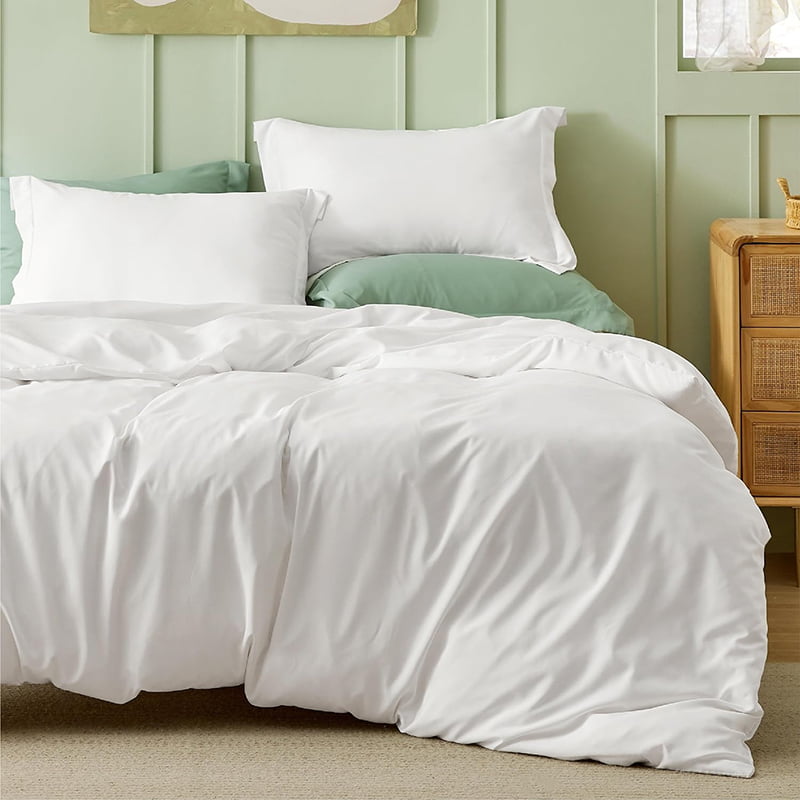
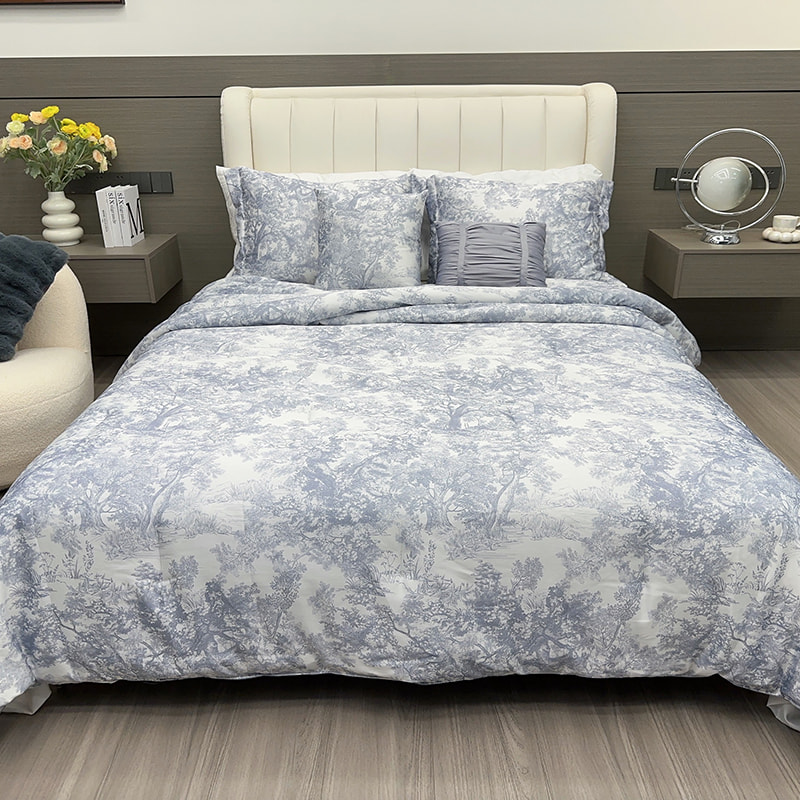
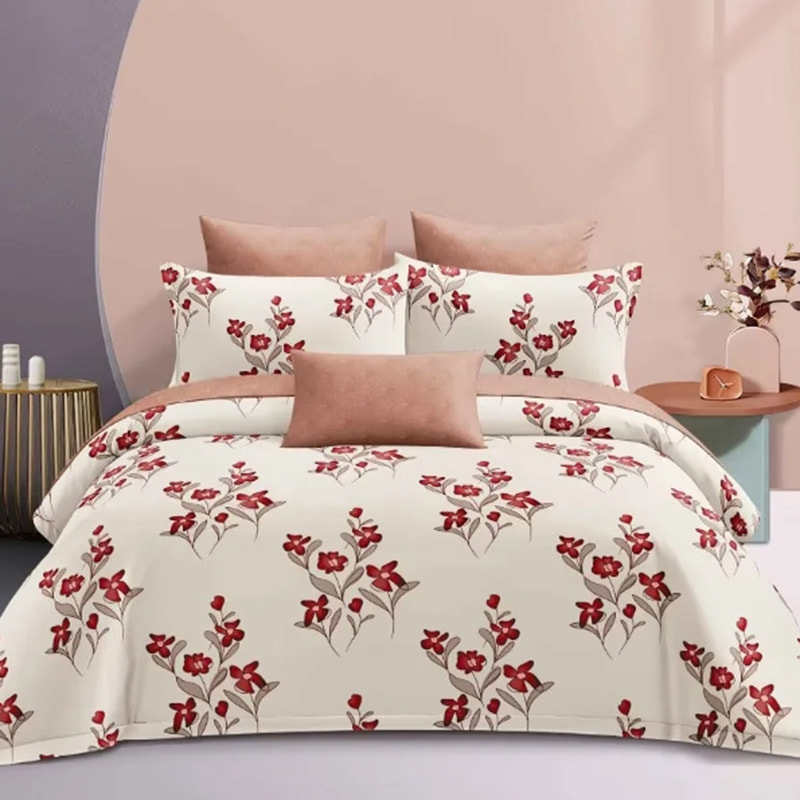
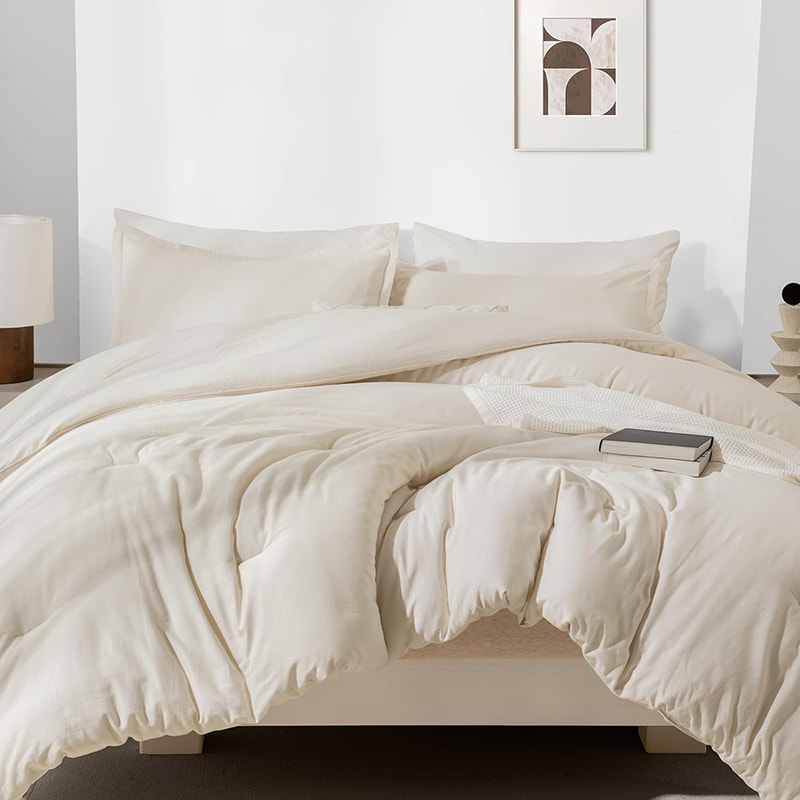
Beyond performance, bamboo duvet covers have a naturally elegant, hotel-like aesthetic that works well across a range of bedroom styles. The subtle sheen of bamboo sateen fabric gives a bed an elevated, luxurious look without the stiffness of traditional satin. Bamboo duvet covers are widely available in neutral tones — whites, creams, sage greens, dusty blues, and warm greys — which makes them easy to coordinate with most existing bedroom color palettes.
For a cohesive look, pair a bamboo duvet cover with bamboo or linen pillowcases in a matching or complementary shade. Layer a lightweight bamboo throw at the foot of the bed for texture and warmth variation. Because bamboo fabric drapes beautifully and doesn't look crumpled even after sleeping, a bamboo duvet cover requires very little effort to make a bed look put-together and stylish in the morning — a small but genuinely appreciated daily convenience.

 +86-159 5050 0822
 peter@rainbowhomefashion.com
 No.199 Yimin Road, Dateng DIstrIct, Yancheng City. Jiangsu Province, China