


 English
 Español
 عربى
عربى
Content
- 1 What Is a Velvet Comforter Quilt?
- 2 Types of Velvet Used in Comforter Quilts
- 3 Fill Options: What's Inside a Velvet Quilt Comforter
- 4 How to Choose the Right Velvet Comforter Quilt for Your Bedroom
- 5 Velvet Comforter Quilt Sizes and What They Fit
- 6
- 7
- 8 How to Care for a Velvet Comforter Quilt
- 9 Styling a Velvet Comforter Quilt: Bedroom Decor Ideas
- 10 What to Look for When Buying a Velvet Comforter Quilt Online
What Is a Velvet Comforter Quilt?
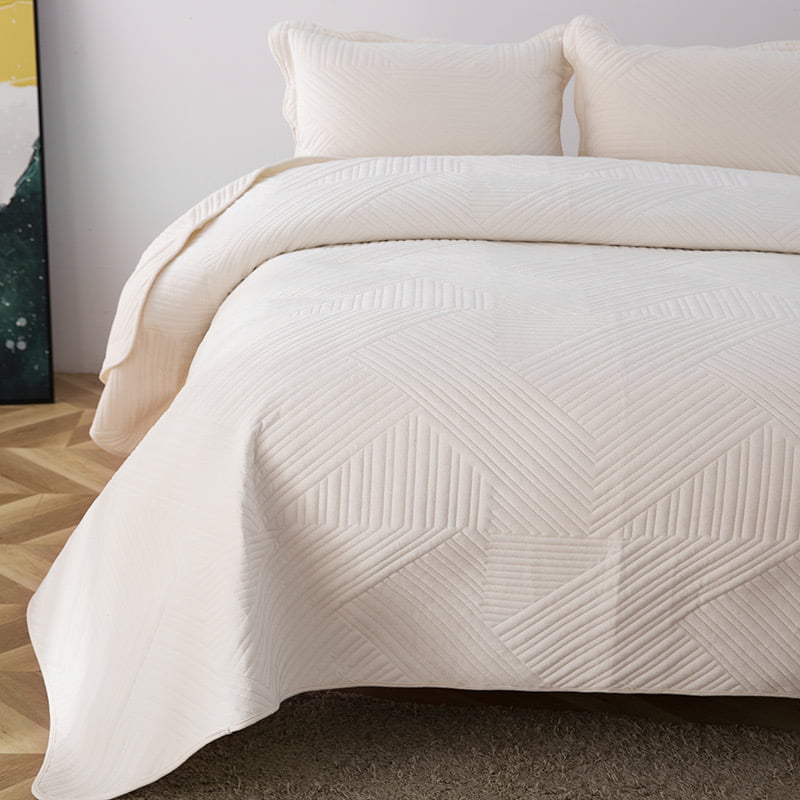
A velvet comforter quilt is a bedding piece that combines the plush, luxurious surface texture of velvet fabric with the warmth and structure of a quilted comforter. Unlike standard comforters made from cotton, microfiber, or linen shells, a velvet quilt comforter uses velvet — a woven fabric with a dense, evenly cut pile — as its outer face fabric, giving the bedding a distinctly rich, soft appearance and an immediately noticeable tactile quality. The quilting stitches that hold the top fabric, fill, and backing together are often part of the design aesthetic, creating geometric or decorative patterns that are highlighted by how light interacts with velvet's directional pile.
Velvet comforter quilts have become increasingly popular as bedroom decor has shifted toward more textured, layered, and visually rich aesthetics. Where minimalist white cotton bedding dominated bedroom interiors for years, a growing preference for cozy, jewel-toned, and tactile bedroom environments has driven demand for velvet bedding that makes a visual statement as much as it provides warmth and comfort. A velvet quilted comforter in deep emerald, sapphire blue, burgundy, or dusty rose can anchor an entire bedroom's color scheme, functioning as both a functional bedding layer and the focal point of the room's design.
Types of Velvet Used in Comforter Quilts
Not all velvet is the same, and the type of velvet used in a comforter quilt has a significant impact on its feel, durability, care requirements, and price. Understanding the different velvet varieties helps you make a more informed purchasing decision and set realistic expectations for how the bedding will perform over time.
Polyester Velvet
Polyester velvet is by far the most common material used in velvet comforter quilts at mainstream price points. It is produced by weaving polyester fibers into a dense pile that closely mimics the look and feel of natural fiber velvet at a fraction of the cost. Polyester velvet is durable, resistant to wrinkling and crushing, colorfast even after repeated washing, and far less expensive to produce than silk or cotton velvet. The primary trade-off is breathability — polyester velvet retains more heat than natural fiber alternatives, which makes it ideal for cooler climates or winter use but potentially too warm for hot sleepers or warmer seasons.
Velboa and Short-Pile Velvet
Velboa is a specific type of short-pile velvet knit fabric made from polyester that has an extremely soft, plush surface with a pile height of around 1–2 mm. It is commonly used in affordable velvet quilt comforters and throws because it is lightweight, drapes beautifully, and has a cloud-like softness that customers respond to immediately. Velboa is slightly less formal-looking than woven pile velvet and has less of the distinctive light-directional sheen associated with traditional velvet, but it is exceptionally comfortable against the skin and very easy to care for in a home washing machine.
Cotton Velvet
Cotton velvet uses a natural fiber pile and offers superior breathability and moisture management compared to polyester alternatives. Cotton velvet comforter quilts have a more matte, organic texture compared to the slightly shiny appearance of polyester velvet, and they feel noticeably different against the skin — softer in a more natural way, with a warmth that doesn't feel synthetic. Cotton velvet is more prone to crushing and pile flattening over time, and it typically requires more careful laundering, but for buyers prioritizing natural materials and year-round comfort, a cotton velvet quilt comforter is worth the higher price and additional care requirements.
Crushed Velvet
Crushed velvet is a stylistic variant in which the pile is permanently twisted or pressed in multiple directions during manufacturing, creating an irregular, multi-directional light reflection pattern that gives the fabric a shimmering, textured appearance. Crushed velvet comforter quilts have a more glamorous, maximalist aesthetic than standard velvet and are particularly popular in Hollywood Regency and eclectic bedroom decor styles. The crushed texture is generally set during production and does not flatten or change significantly with normal use, making crushed velvet bedding relatively easy to maintain its appearance over time.
Fill Options: What's Inside a Velvet Quilt Comforter
The warmth, weight, and feel of a velvet comforter quilt are determined as much by what's inside it as by the velvet shell on the outside. Velvet quilted comforters are available with several fill types, each with different thermal properties, weight profiles, and care requirements:
- Polyester Fiberfill: The most common fill in mid-range velvet comforter quilts. Polyester fill is hypoallergenic, machine washable, resistant to clumping when quilted at close intervals, and available in a wide range of loft weights from lightweight summer fills to thick winter insulation. It is the most practical choice for everyday use and is particularly well-suited to the heavier velvet shell fabrics typically used in velvet quilts.
- Down and Feather Fill: Natural down or down-alternative fills provide exceptional warmth-to-weight ratio, creating a lightweight velvet comforter that still delivers serious thermal insulation. Down-filled velvet comforters have a lofty, cloud-like quality that is distinctly different from the denser feel of polyester fill. The main considerations are cost (natural down is significantly more expensive), care (many down-filled comforters require professional cleaning or large-capacity machines), and allergen sensitivity for some users.
- Microfiber Fill: Ultra-fine microfiber fill mimics the softness and loft of down at a lower price point and with easier care requirements. Microfiber-filled velvet quilts are lightweight for their warmth level, drape elegantly, and are machine washable in most home machines. This fill type is particularly popular in velvet comforter sets sold at mid-range retail price points.
- Cotton Batting: Cotton fill provides a flatter, denser quilt with a more structured, traditional quilted appearance. Cotton-filled velvet quilts have less loft than fiberfill or down alternatives, giving them a tailored, elegant look that suits more formal bedroom aesthetics. Cotton fill breathes better than polyester, making cotton-filled velvet comforters a more comfortable choice for warmer climates or year-round use.
- Weighted Fill: A growing category of velvet comforter quilts incorporates weighted filling — typically glass beads or steel shot beads distributed evenly through the quilt — to create a therapeutic weighted blanket effect. Weighted velvet quilts typically range from 5 lbs to 25 lbs and are marketed for their calming, anxiety-reducing properties. The velvet surface adds a sensory comfort dimension that complements the deep pressure stimulation of the weighted fill.
How to Choose the Right Velvet Comforter Quilt for Your Bedroom
Selecting a velvet quilt comforter involves balancing aesthetics with practical considerations like warmth level, bed size, care requirements, and budget. The following framework covers the key decisions you'll need to make:
Choosing the Right Size
Velvet comforter quilts are available in all standard bed sizes, but sizing conventions vary between brands and regions, so it's important to measure your mattress and decide how much overhang you want before ordering. For a standard bed with a clean, tailored look, choose a comforter that matches your mattress size — Twin, Full/Double, Queen, King, or California King. For a more luxurious, draped look with generous side hang, size up one level — use a Queen velvet comforter on a Full bed, or a King on a Queen. Deep-pocket mattresses (over 14 inches tall) may require oversized comforter dimensions to achieve adequate coverage on all sides.
Selecting the Warmth Level
Velvet fabric itself adds a layer of warmth due to its dense pile and typically lower breathability compared to woven cotton shells. When choosing fill weight for a velvet quilted comforter, factor in that the velvet outer layer will make the overall warmth profile run warmer than the same fill in a standard cotton comforter. Hot sleepers, those in warm climates, or those planning to use the velvet comforter year-round should choose a lightweight or medium fill. Cooler climates, winter-only use, or those who sleep cold are well-served by a heavier fill weight that takes full advantage of velvet's insulating properties.
Matching Color and Style to Your Bedroom
Velvet comforter quilts are available in a wide spectrum of colors, from neutral tones like ivory, taupe, and slate gray to richly saturated jewel tones like emerald green, sapphire blue, plum, and burnt orange. When selecting a color, consider the existing palette of your bedroom — walls, furniture, and flooring — and decide whether you want the velvet quilt to blend harmoniously or make a contrasting statement. Deep jewel tones work particularly well in rooms with neutral walls and dark wood furniture, creating a rich, cocooning atmosphere. Lighter tones like blush pink, pale blue, and soft ivory work in more minimalist or romantic bedroom aesthetics and make smaller rooms feel more open.
Velvet Comforter Quilt Sizes and What They Fit
To help you select the right size, the table below outlines standard velvet comforter quilt dimensions and the mattress sizes they are designed to fit:
| Comforter Size | Typical Dimensions | Fits Mattress Size | Best For |
| Twin | 66" × 90" | Twin (38" × 75") | Single sleepers, kids' rooms, guest beds |
| Twin XL | 68" × 92" | Twin XL (38" × 80") | College dorms, taller single sleepers |
| Full / Double | 80" × 90" | Full (54" × 75") | Single adults, smaller bedrooms |
| Queen | 90" × 90" | Queen (60" × 80") | Couples, most common bedroom size |
| King | 104" × 90" | King (76" × 80") | Couples wanting generous overhang |
| California King | 104" × 96" | Cal King (72" × 84") | Taller couples, larger master bedrooms |
How to Care for a Velvet Comforter Quilt
Velvet requires more careful maintenance than most other bedding fabrics. The pile can flatten, mat, or develop pressure marks if handled incorrectly, and improper washing can permanently damage the texture. Following the right care routine keeps your velvet quilt comforter looking plush and beautiful for years.
Washing Instructions
Always check the care label on your specific velvet comforter quilt before washing, as instructions vary by material composition and fill type. Most polyester velvet comforters can be machine washed on a gentle or delicate cycle in cold or lukewarm water using a mild, liquid detergent — powder detergents can leave residue in the pile. Use a large-capacity washing machine (4.5 cu ft or larger) so the comforter can move freely and rinse thoroughly without being compressed. Avoid fabric softeners, which can coat the velvet pile and reduce its softness over time. Cotton velvet comforters often require hand washing or dry cleaning — check the label carefully before placing them in a machine.
Drying Without Damaging the Pile
Drying is the most critical step in caring for a velvet comforter quilt. Use a low or no-heat dryer setting and add two or three clean dryer balls to help fluff the fill and prevent clumping as the comforter dries. Avoid high heat, which can melt synthetic pile fibers, flatten the velvet texture, or cause fill clumping that is difficult to reverse. Check the comforter periodically during the drying cycle and redistribute the fill by hand if needed. For best results, finish with 20–30 minutes in an air-only (no heat) cycle or lay the comforter flat on a clean surface to air dry completely before using or storing.
Restoring Flattened Velvet Pile
Velvet pile can flatten in areas that experience repeated pressure — such as where you tend to sit on the bed, or along fold lines from storage. To restore flattened velvet pile, hold a clothes steamer or the steam function of an iron a few centimeters above (never touching) the affected area and apply steam in short bursts. Use a soft-bristled brush or a clean toothbrush to gently brush the pile back upright in its natural direction while the fabric is still slightly warm from the steam. This technique effectively restores the velvet's texture without the risk of burning or watermarking that direct iron contact would cause.
Storage Tips
When storing a velvet quilt comforter between seasons, avoid compressing it tightly in vacuum storage bags — the sustained pressure will flatten the pile and may permanently alter the texture. Instead, store it loosely rolled or lightly folded in a breathable cotton storage bag or a pillowcase. Keep it in a cool, dry location away from direct sunlight, which can fade velvet's rich colors over time. Adding a sachet of cedar or lavender to the storage bag helps deter moths without the chemical smell of mothballs, which can be difficult to air out of velvet fabric.
Styling a Velvet Comforter Quilt: Bedroom Decor Ideas
A velvet quilted comforter is one of the most visually impactful pieces you can introduce into a bedroom, and styling it well makes the difference between a put-together, intentional look and a mismatched one. Here are practical ideas for incorporating a velvet comforter quilt into different bedroom aesthetics:
- Jewel Tones and Dark Walls: Deep emerald, sapphire, or plum velvet comforters look spectacular against moody, dark-painted walls in charcoal, navy, or forest green. Layer with mixed metallic accent pillows — gold, brass, or copper — and use warm-toned bedside lighting to create a rich, cocooning atmosphere that makes the velvet colors glow.
- Neutral Walls with a Statement Velvet Quilt: If your bedroom has white, cream, or light gray walls, a boldly colored velvet comforter quilt becomes the undisputed focal point of the room. Keep other textiles — curtains, rugs, throw pillows — in coordinating neutrals or a single complementary accent color to let the velvet bedding do the visual work without the room feeling busy.
- Layering Textures: Velvet's smooth, light-reflective surface pairs beautifully with matte, chunky textures. Layer a knitted throw in a complementary color across the foot of the bed, add linen or cotton euro shams behind the velvet-covered sleeping pillows, and place a faux fur or boucle accent pillow in the center for a layered, editorial look that plays different textures against each other.
- Minimalist Application: A light-toned velvet comforter — dusty rose, pale sage, soft ivory — can work beautifully in a minimalist bedroom without overwhelming the space. The key is restraint in the number of other elements: a simple headboard, two matching nightstands, and one or two accent pillows in a coordinating solid color allow the subtle texture of the velvet to read as a quiet luxury rather than a statement piece.
- Seasonal Transitioning: Because velvet reads as inherently warm and luxurious, a velvet quilt comforter can be used strategically as a seasonal layer. In autumn and winter, use it as the primary bedding layer. In spring, fold it at the foot of the bed over lighter cotton bedding, both for decorative effect and as an easily accessible layer for cool nights. This approach maximizes the visual impact of the velvet comforter year-round without making the bed feel uncomfortably warm in warmer months.
What to Look for When Buying a Velvet Comforter Quilt Online
Buying a velvet quilt comforter online without being able to touch the fabric beforehand requires paying close attention to product details and customer reviews. Here is what to look for to avoid disappointment:
- Fabric Composition Details: Look for a clear breakdown of the shell fabric content (100% polyester velvet, cotton velvet blend, etc.) and the fill material. Vague descriptions like "soft velvet-like material" or "premium fabric" without specific fiber content are warning signs of low-quality products with misleading marketing.
- Quilting Pattern and Stitch Density: The quilting stitches serve a functional purpose — they prevent the fill from shifting and bunching inside the comforter. Look for products with close quilting intervals (no more than 6–8 inches between stitch lines) that will keep the fill evenly distributed across the entire comforter surface over time. Diamond, box, or channel quilting patterns at regular intervals are signs of a well-constructed product.
- Fill Weight Specification: A reputable seller will specify the fill weight in grams per square meter (GSM) or total fill ounces. This gives you an objective measure of the comforter's warmth level. For context, 200–300 GSM fill is lightweight and suitable for warmer climates or summer use, 300–400 GSM is a medium weight for most year-round conditions, and 400 GSM and above is suitable for cold climates or winter-only use.
- Customer Photos and Reviews: Look specifically for customer-uploaded photos rather than relying solely on professional product images. Real-world photos show how the velvet pile looks after use, whether the color is accurate to the screen representation, and how the comforter drapes on an actual bed. Reviews mentioning pile flattening after washing, fill clumping, or color fading are significant red flags worth weighing carefully.
- Return Policy: Given that velvet's feel and color can differ significantly from screen representations, always check the seller's return policy before purchasing a velvet comforter quilt online. A generous return window of 30 days or more gives you time to wash and properly evaluate the product before committing to keeping it.

 +86-159 5050 0822
 peter@rainbowhomefashion.com
 No.199 Yimin Road, Dateng DIstrIct, Yancheng City. Jiangsu Province, China