


 English
 Español
 عربى
عربى
Content
What Bamboo Fiber Bedding Actually Is
Bamboo fiber bedding refers to sheets, duvet covers, and pillowcases made from fabric derived from bamboo plant pulp rather than traditional cotton or polyester. Despite the name, most bamboo bedding on the market isn't woven directly from raw bamboo stalks. Instead, the bamboo is broken down into a pulp, dissolved, and then spun into soft fibers through a process similar to how rayon or viscose is made. This is why you'll often see bamboo bedding labeled as "bamboo viscose" or "bamboo rayon" on the care tag.
There's also a less common version called bamboo lyocell, which uses a closed-loop manufacturing process that's considered more environmentally friendly because it recycles the chemicals and water used during production. Understanding this distinction matters because it affects everything from how soft the bedding feels to how it holds up over years of washing.
Why People Choose Bamboo Bedding Over Cotton
Bamboo fiber bedding has grown popular largely because it solves a few common complaints people have with traditional cotton sheets. Knowing the specific benefits helps you decide whether it's the right fit for your bedroom and your budget.
- Bamboo fibers are naturally smooth and round at a microscopic level, which gives the fabric a silky feel without needing high thread counts.
- The fabric is highly breathable and wicks moisture away from the body, making it a popular choice for hot sleepers and people who experience night sweats.
- Bamboo has natural moisture-wicking properties that help regulate temperature, keeping sheets feeling cool in summer and surprisingly cozy in cooler months.
- Many bamboo fabrics are naturally resistant to dust mites and bacteria, which can be helpful for people with allergies or sensitive skin.
- Bamboo as a raw material grows quickly and requires far less water than cotton, making it a more sustainable crop choice overall.
That said, it's worth noting that the eco-friendliness of the raw bamboo plant doesn't always carry through to the finished fabric, since the chemical-intensive viscose process can offset some of those environmental advantages. Shoppers who care deeply about sustainability should look specifically for bamboo lyocell or bamboo bedding certified by organizations like OEKO-TEX.
Bamboo vs Cotton vs Microfiber: How They Compare
It helps to see bamboo fiber bedding side by side with the two most common alternatives on the market. The table below breaks down the practical differences you'll notice in daily use.
| Feature | Bamboo Fiber | Cotton | Microfiber |
| Breathability | Excellent | Good | Poor to fair |
| Softness over time | Stays soft, gets softer | Softens with washing | Can pill and roughen |
| Moisture-wicking | Very strong | Moderate | Weak, traps heat |
| Durability | Good with proper care | Very durable | Durable but wears fast |
| Price range | Mid to high | Low to high | Low |
For sleepers who run hot at night or live in a humid climate, bamboo fiber bedding tends to outperform both alternatives in keeping the bed feeling fresh and dry through the night.
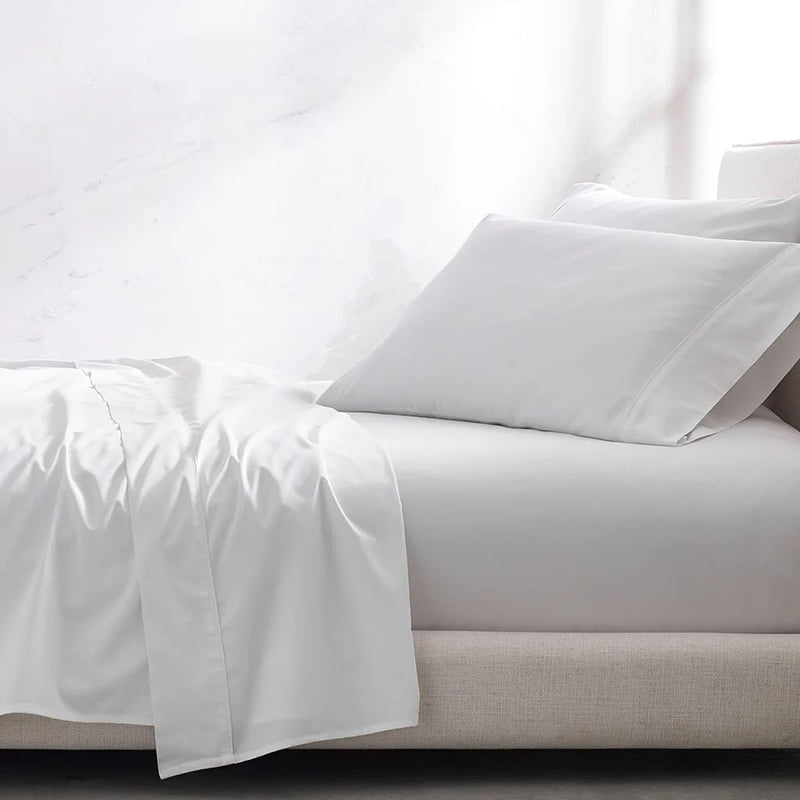
How to Choose the Right Bamboo Bedding Set
Not all bamboo fiber bedding is created equal, and a few key details on the product label can tell you a lot about quality before you even touch the fabric.
Check the Fabric Type
Look for "100% bamboo viscose" or "bamboo lyocell" rather than vague terms like "bamboo blend," which often means the sheets are mostly polyester or cotton with only a small percentage of actual bamboo fiber mixed in.
Pay Attention to Weave Type
Bamboo bedding typically comes in either a sateen weave, which has a subtle sheen and silky drape, or a twill weave, which feels slightly more textured and breathable, similar to flannel in structure but lighter in weight. Sateen tends to feel more luxurious, while twill is often more durable for everyday use.
Consider Thread Count Carefully
Bamboo fabric doesn't follow the same thread count logic as cotton, since its fibers are naturally finer. A bamboo sheet set with a 300 thread count can feel just as soft, if not softer, than an 800 thread count cotton sheet, so don't rule out a set just because the number looks low compared to cotton options you've owned before.
Washing and Caring for Bamboo Fiber Bedding
Proper care makes a significant difference in how long bamboo bedding stays soft and intact. Because the fibers are more delicate than cotton, a few adjustments to your normal laundry routine can prevent premature wear.
- Wash in cold or lukewarm water on a gentle cycle to prevent the fibers from breaking down too quickly.
- Use a mild, liquid detergent and avoid bleach or fabric softeners, since both can degrade bamboo fibers and reduce their natural moisture-wicking ability.
- Dry on low heat or, ideally, line-dry the sheets to avoid the high heat that can cause shrinkage or fiber damage.
- Remove bedding from the dryer promptly and smooth it out to minimize wrinkles, since bamboo fabric can wrinkle more easily than cotton.
- Wash bamboo sheets separately from rough fabrics like towels or items with zippers that could snag the delicate fibers.
Following these steps consistently can help a quality bamboo fiber bedding set last for several years while maintaining the soft, cooling feel that made it appealing in the first place.
Who Benefits Most From Switching to Bamboo Bedding
While anyone can enjoy bamboo fiber bedding, certain sleepers tend to notice the biggest improvement after switching. Hot sleepers and people experiencing hormonal night sweats, including those going through menopause, often report better sleep quality thanks to bamboo's superior moisture control. People with sensitive skin or conditions like eczema may also benefit, since bamboo fabric is generally smoother and less likely to cause irritation than rougher cotton blends.
Allergy sufferers represent another group that often sees a noticeable difference, as the natural resistance to dust mites can reduce nighttime sneezing and congestion. On the other hand, if you live in a consistently cold climate and prefer heavier, warmer bedding, a flannel or sherpa option might still serve you better than lightweight bamboo sheets during winter months.

 +86-159 5050 0822
 peter@rainbowhomefashion.com
 No.199 Yimin Road, Dateng DIstrIct, Yancheng City. Jiangsu Province, China