


 English
 Español
 عربى
عربى
Content
The Rise of Sustainable Sleep
In an era defined by environmental consciousness and the search for natural wellness, our bedding choices are under the microscope. We’re moving away from synthetic materials and toward textiles that are not only comfortable but also kind to the planet. This shift has placed one material in the spotlight: bamboo. Far more than just a food source for pandas or a sturdy building material, bamboo is revolutionizing the textile industry, particularly in the form of the increasingly popular Bamboo Comforter Set.
Decoding Bamboo Fabric: From Plant to Plush
How does a rigid, fast-growing grass transform into a soft, luxurious fabric suitable for a comforter? The journey involves a fascinating process, resulting in a textile often referred to as bamboo rayon or bamboo viscose.
The Viscose Process Explained
The most common method for creating bamboo fabric involves dissolving the cellulose from the bamboo pulp. Here’s a simplified breakdown:
- Harvesting and Pulping: Mature bamboo culms are harvested and crushed into a raw pulp.
- Dissolving the Cellulose: This pulp is treated with a solvent, most commonly sodium hydroxide, to break down the cellulose into a viscous solution (hence “viscose”).
- Spinning into Fibers: The solution is forced through tiny holes, called spinnerets, into a chemical bath. This process solidifies the liquid into long, continuous filaments.
- Weaving the Fabric: These filaments are then spun into yarn and woven or knitted into the final, incredibly soft fabric used for a Bamboo Comforter Set.
While the process uses chemicals, modern, closed-loop systems are increasingly being adopted to minimize environmental impact and recycle the solvents.
The Science of Comfort: Bamboo’s Unique Properties
Bamboo fabric isn’t just a sustainable choice; it offers a suite of performance benefits that directly translate into a better night’s sleep.
Thermoregulation: The Built-in Air Conditioner
One of bamboo’s most celebrated features is its natural ability to regulate temperature. The fibers contain micro-gaps and tiny holes, giving the fabric a structure similar to a sponge.
- Cooling in Summer: This structure allows the fabric to wick moisture (sweat) away from the body quickly and release it into the air. As the moisture evaporates, it produces a cooling effect, helping to keep the sleeper dry and comfortable on warm nights.
- Warming in Winter: The same structure traps a layer of air, providing a light, breathable insulation when the temperature drops, making a Bamboo Comforter Set an excellent year-round choice.
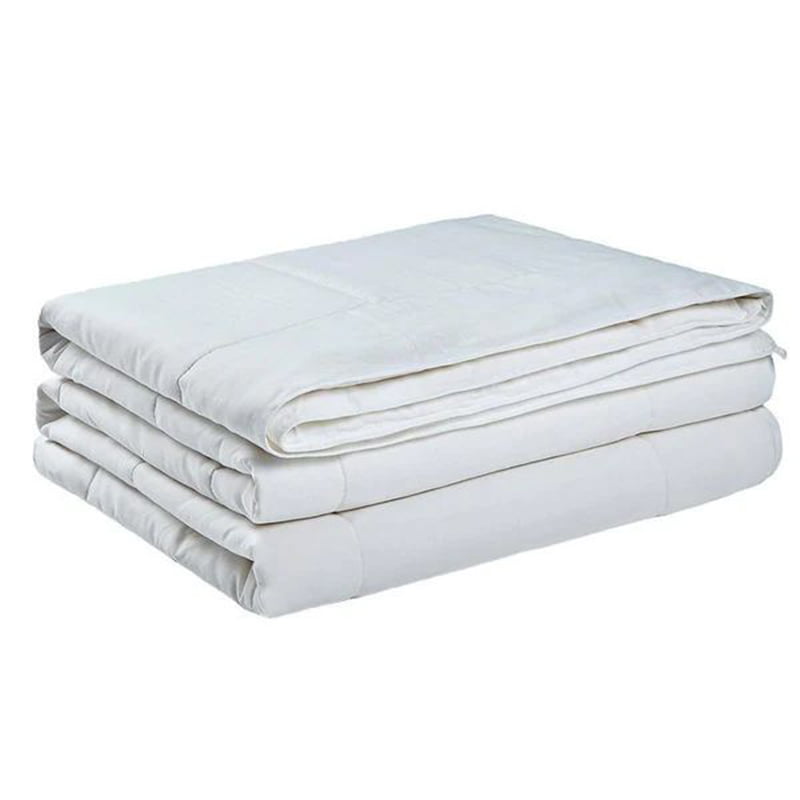
Hypoallergenic and Gentle on Skin
Bamboo is naturally resistant to dust mites, mold, and mildew. Furthermore, the smoothness of the fabric’s fibers minimizes irritation. Unlike rougher natural fibers, the bamboo rayon filaments are round and smooth, making them exceptionally gentle and a popular choice for people with sensitive skin, eczema, or allergies.
Natural Deodorizer: The “Bamboo Kun”
Bamboo plants naturally produce an anti-microbial agent called “Bamboo Kun.” While there is debate on how much of this agent survives the manufacturing process, many users report that bamboo bedding resists odors and stays fresh longer than cotton or synthetic alternatives, further contributing to a cleaner sleep environment.
Sustainability Scorecard: Bamboo vs. Traditional Materials
The rapid growth and minimal resource requirements of the bamboo plant itself are the bedrock of its sustainable credentials.
Water and Land Use Efficiency
Bamboo is a remarkably efficient crop. It requires significantly less water to grow than cotton, often thriving without the need for irrigation. Unlike cotton, which can deplete soil nutrients, bamboo helps to improve soil health and prevent erosion due to its extensive root system. It also requires virtually no pesticides or herbicides to flourish, reducing the environmental runoff associated with crop maintenance.
Rapid Renewable Resource
Bamboo is one of the fastest-growing plants on earth, some species capable of growing several feet in a single day. This rapid growth rate means it can be harvested frequently without having to be replanted, making it an exceptionally renewable resource compared to slow-growing trees or more resource-intensive annual crops.
Making the Switch: Investment in Sleep and Planet
The evidence is clear: the Bamboo Comforter Set is not a passing trend but a staple of the sustainable bedding movement. It represents a confluence of luxury, performance science, and environmental responsibility. As consumers become more educated on the textile supply chain, the demand for this “eco-luxury” material will only continue to grow, promising a future of cooler, cleaner, and more conscientious sleep.
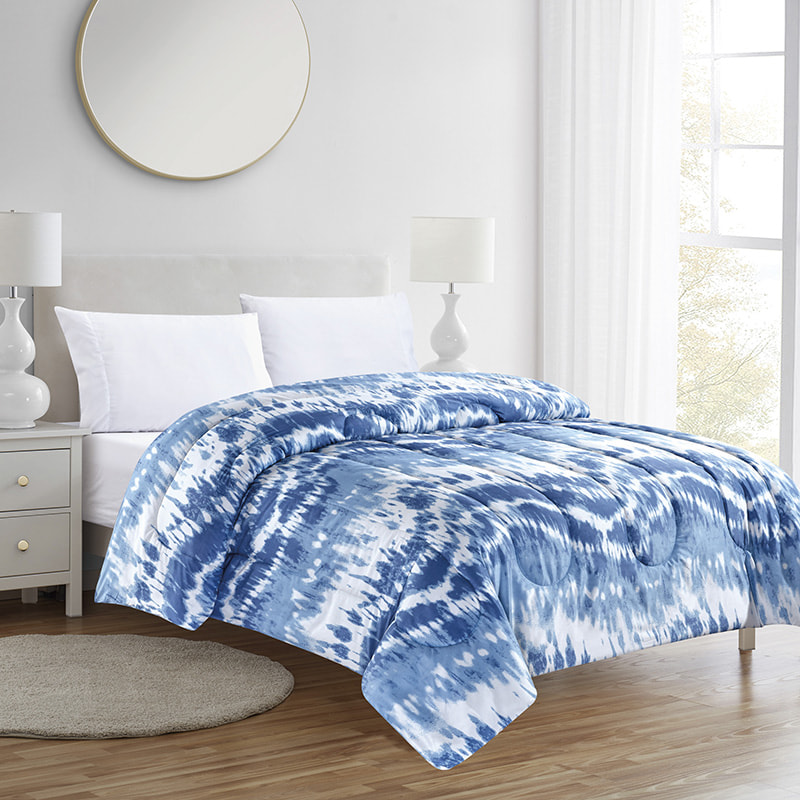
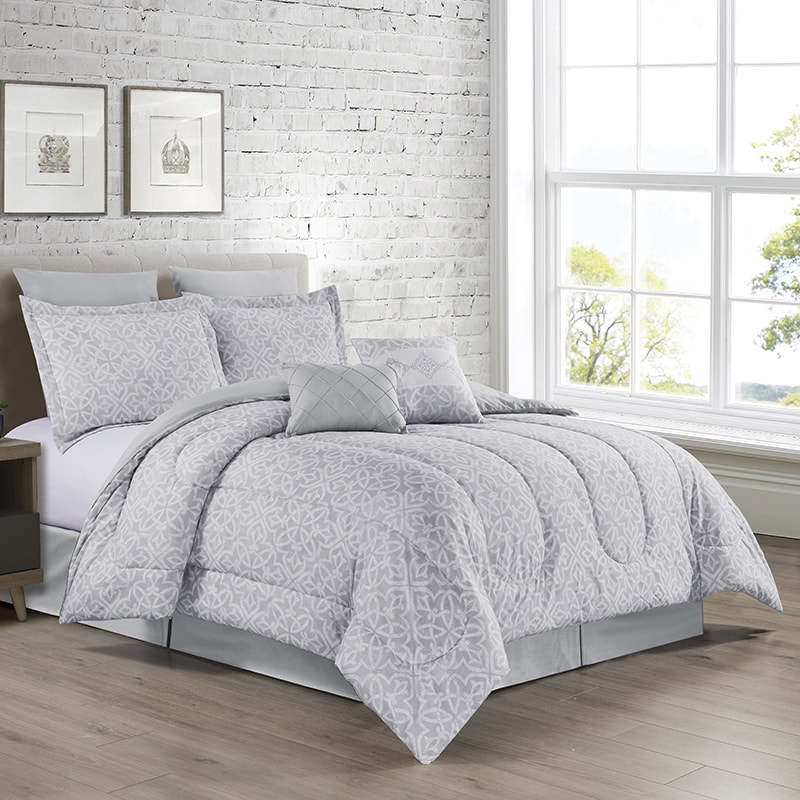

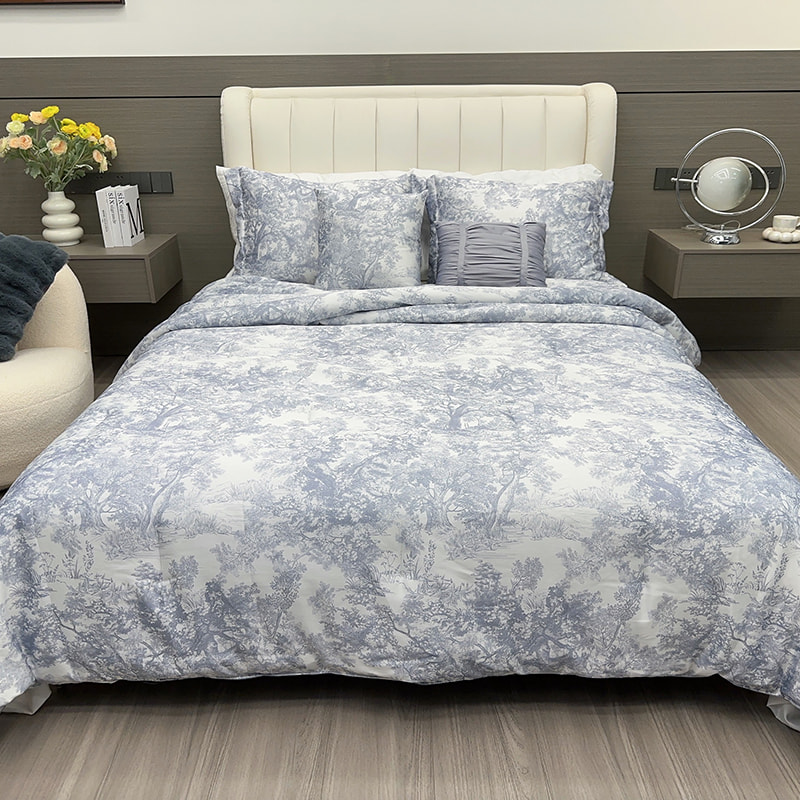

 +86-159 5050 0822
 peter@rainbowhomefashion.com
 No.199 Yimin Road, Dateng DIstrIct, Yancheng City. Jiangsu Province, China