


 English
 Español
 عربى
عربى
Have you ever tossed and turned on a hot night, wishing your bed linens could just keep up with the summer heat? The secret to a cooler, more comfortable night’s sleep might just be hanging out in your closet—or rather, it might be derived from a towering grass found in the tropical and temperate zones of the world: bamboo.
The keyword “bamboo duvet cover” has exploded in popularity, and for good reason. These luxurious-feeling covers offer a blend of comfort, sustainability, and technological benefits that are changing the way we think about bedding. But what exactly is bamboo fabric, and what makes it so revolutionary for sleep?
Content
The Journey from Stalk to Sheet: Understanding Bamboo Viscose
When you buy a bamboo duvet cover, you are usually purchasing fabric made from bamboo viscose (or bamboo rayon). It’s important to understand the manufacturing process, as the final textile is very different from the hard, woody stalk it starts as.
The Science of Viscose Production
Viscose is a type of rayon, which is a semi-synthetic fiber made from a naturally occurring polymer—cellulose. Here is a simplified breakdown of how bamboo is transformed into a silky soft fabric:
- Harvesting and Pulping: Bamboo stalks are harvested and crushed into a pulp.
- Dissolving the Cellulose: This pulp is treated with chemical solvents to dissolve the cellulose, creating a thick, sticky solution. The use of these chemicals is why the final product is labeled as “viscose” or “rayon,” rather than simply “bamboo.”
- Spinning the Fibers: The solution is forced through tiny holes, similar to a showerhead, into a setting bath. This process coagulates the liquid cellulose into long, fine threads, which are then spun into yarn and woven into the duvet cover fabric.
The resulting viscose fiber is remarkably soft, smooth, and drapes beautifully, making it an ideal candidate for high-end bedding.
The Cooling Physics: Why Bamboo is the Ultimate Sleep Regulator
The primary reason for the popularity of bamboo duvet covers lies in their exceptional performance in managing temperature and moisture.
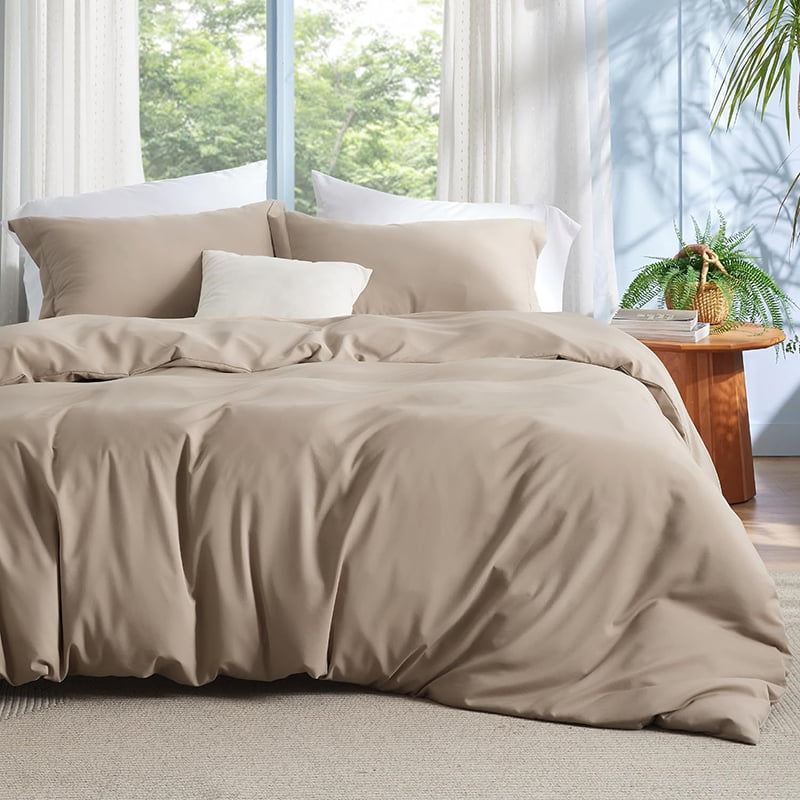
Thermal Regulation and Breathability
Bamboo viscose is naturally highly breathable. This is due to the structure of the fiber itself. Unlike dense cotton fibers, bamboo fibers are often spun with a looser density, which creates microscopic gaps.
- Heat Escape: These gaps allow excess body heat to escape readily, preventing heat from getting trapped under the covers.
- Air Circulation: They facilitate the passage of air, ensuring a constant, fresh flow around your body.
This breathability is what gives bamboo bedding that characteristic cool-to-the-touch feel, making it a favorite for hot sleepers and summer months.
Moisture-Wicking Magic
We all sweat while we sleep, even if we don’t notice it. A quality duvet cover needs to manage this moisture to keep the sleep environment dry and comfortable.
The bamboo viscose fiber is inherently hydroscopic, meaning it readily absorbs moisture. It pulls perspiration away from your skin and releases it quickly into the air, a process known as moisture wicking.
- Evaporative Cooling: As the moisture evaporates from the fabric, it produces a cooling effect, further contributing to a comfortable sleep temperature. This ability to wick moisture better than many other fabrics helps you avoid that sticky, clammy feeling that can disrupt deep sleep.
Beyond Comfort: Eco-Friendly and Hypoallergenic Benefits
The appeal of bamboo is not just limited to its feel and function; it also brings significant environmental and health benefits to the bedroom.
A Sustainable Resource
Bamboo is one of the fastest-growing plants on earth, capable of growing several feet in a single day. This rapid growth rate makes it a highly renewable resource.
- Less Water, No Pesticides: Bamboo cultivation typically requires significantly less water than conventional cotton and thrives without the need for harmful pesticides or herbicides.
- Soil Health: The vast root network of bamboo helps stabilize the soil and prevent erosion, making it a sustainable choice for land use.
While the processing of bamboo into viscose uses chemicals, the raw material itself is remarkably earth-friendly, contributing to its appeal as a green textile.
Hypoallergenic Haven
For those with allergies or sensitive skin, bamboo bedding offers a cleaner, gentler sleep surface. The smooth, rounded fibers of bamboo viscose are naturally gentle on the skin and less likely to cause irritation than rougher fibers.
Furthermore, bamboo is sometimes touted for having natural antimicrobial properties. While the manufacturing process into viscose may reduce these properties, the fabric remains highly resistant to dust mites and other allergens because of its efficient moisture-wicking and quick-drying nature, which creates an inhospitable environment for common bedroom irritants.
In the quest for the perfect night’s sleep, the bamboo duvet cover stands out as a luxurious, high-tech, and eco-conscious choice, promising a cool, dry, and supremely soft embrace night after night.

 +86-159 5050 0822
 peter@rainbowhomefashion.com
 No.199 Yimin Road, Dateng DIstrIct, Yancheng City. Jiangsu Province, China