


 English
 Español
 عربى
عربى
Content
Beyond the Fabric: Understanding the Technology Behind Bedding Aesthetics
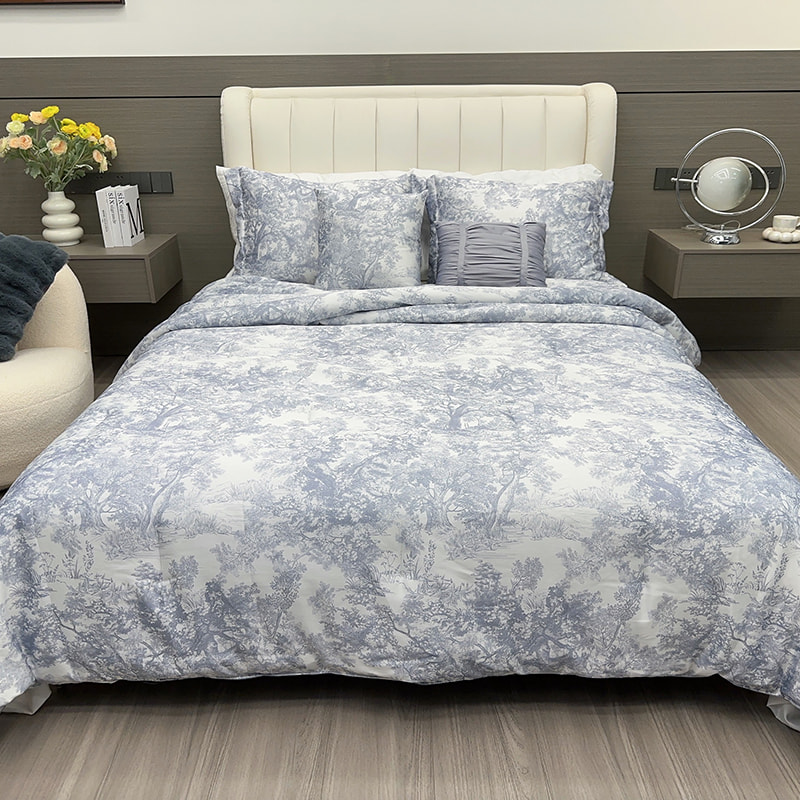
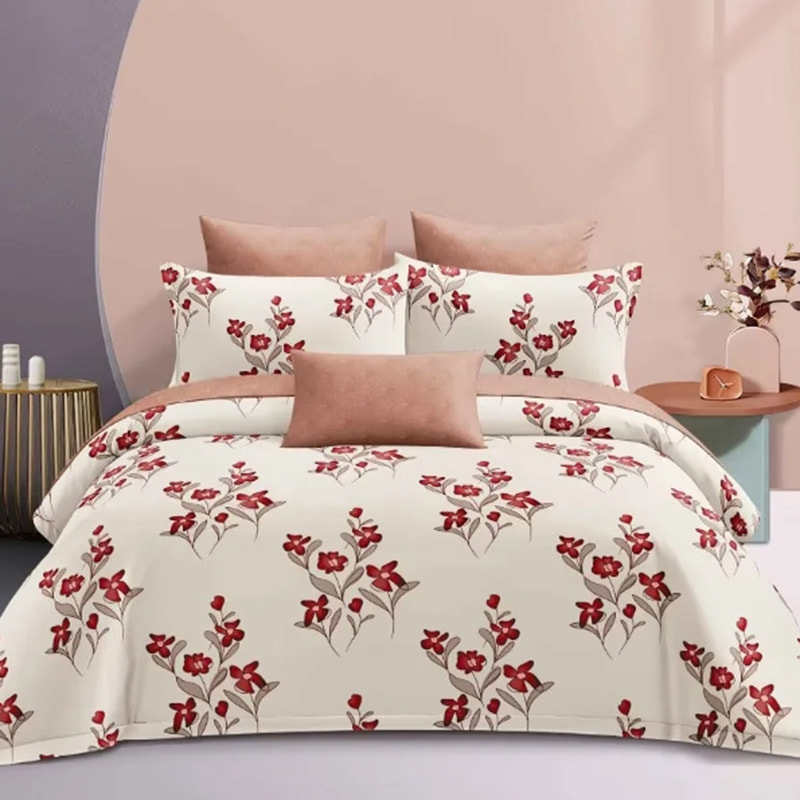
The humble Printed Duvet Cover is often seen simply as a decorative element, a splash of color or pattern to tie a room together. However, beneath the surface of its soft fabric lies a fascinating intersection of material science, textile engineering, and color chemistry that profoundly impacts both our bedroom environment and our quality of sleep.
From Simple Cloth to Canvas: The Evolution of Textile Printing
Historically, decorating textiles was a painstaking process involving block printing or complex weaving techniques like jacquard. The revolution in the look of bedding came with advancements in printing technology. Modern duvet covers primarily rely on two major printing methods:
- Rotary Screen Printing: This method is the traditional workhorse for large-scale, high-volume production. Dye is forced through cylindrical screens onto the fabric. While very efficient, the number of colors is limited by the number of screens, typically capping at around 12 to 16 colors. This is often used for less detailed, repeated patterns.
- Digital Textile Printing: This is the inkjet technology of the textile world. It sprays micro-droplets of color directly onto the fabric, much like a paper printer. This allows for virtually unlimited colors, intricate photographic detail, and low-volume, customizable runs. This technology is responsible for the explosion of complex, high-definition designs available today, making the Printed Duvet Cover a true form of bedroom artistry.
The Chemistry of Colorfastness: Why Your Pattern Stays Bright
The permanence of the print is crucial. Nobody wants a beautiful design that washes out after a few cycles. This durability is achieved through the careful selection of dyes and the post-treatment processes:
- Reactive Dyes (for Cotton/Cellulose): These dyes chemically bond with the fabric’s molecules, becoming part of the fiber itself. This strong, covalent bond ensures excellent wash fastness and bright, vivid colors, making them ideal for high-quality cotton duvet covers.
- Disperse Dyes (for Polyester/Synthetics): Since polyester doesn’t have the same chemical structure as cotton, different dyes are needed. Disperse dyes are applied using heat (sublimation printing), where the dye turns into a gas and permeates the polyester fiber, effectively trapping the color inside the synthetic material.
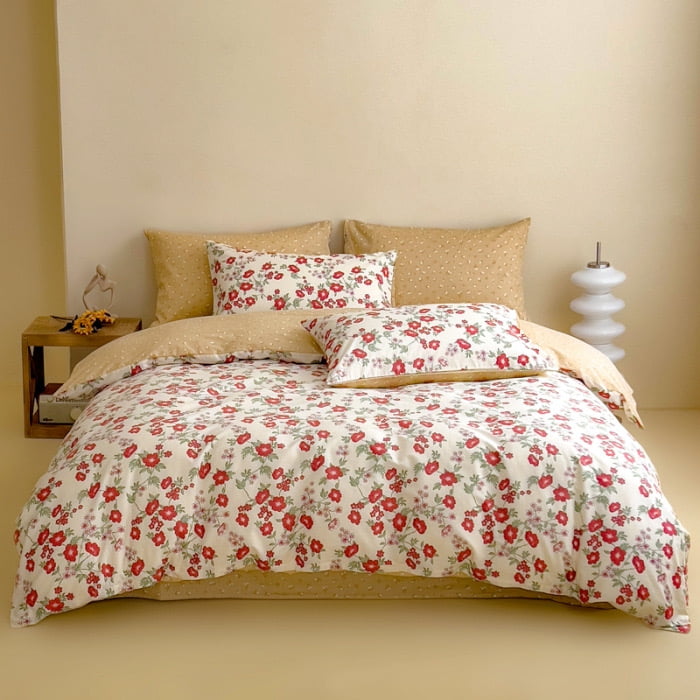
The Psychological Impact: How Pattern and Color Affect Rest
The choice of a Printed Duvet Cover is not just about home decor; it’s about creating a personal, subconscious environment conducive to relaxation.
The Science of Chromotherapy in the Bedroom
Color psychology, or chromotherapy, suggests that different hues can trigger specific emotional and physiological responses:
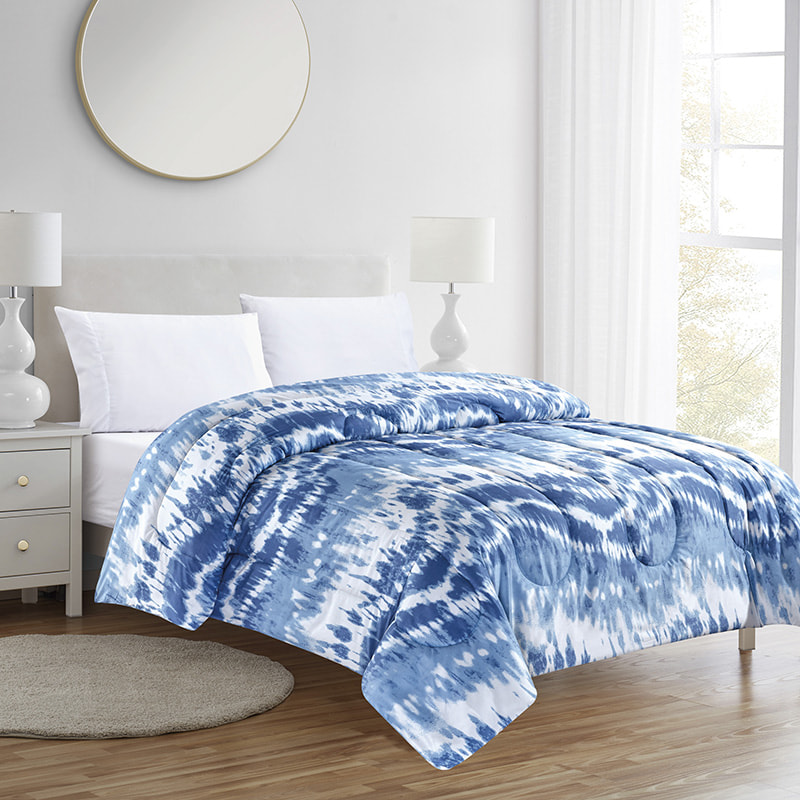
- Blues and Greens: These colors, linked to nature (sky, water, forests), are often associated with calmness, tranquility, and a reduction in stress, making them excellent choices for promoting sleep.
- Warm Tones (Yellows, Oranges): While they can be stimulating in large doses, muted or pastel versions can create a sense of comfort and warmth, which is psychologically cozy for a resting space.
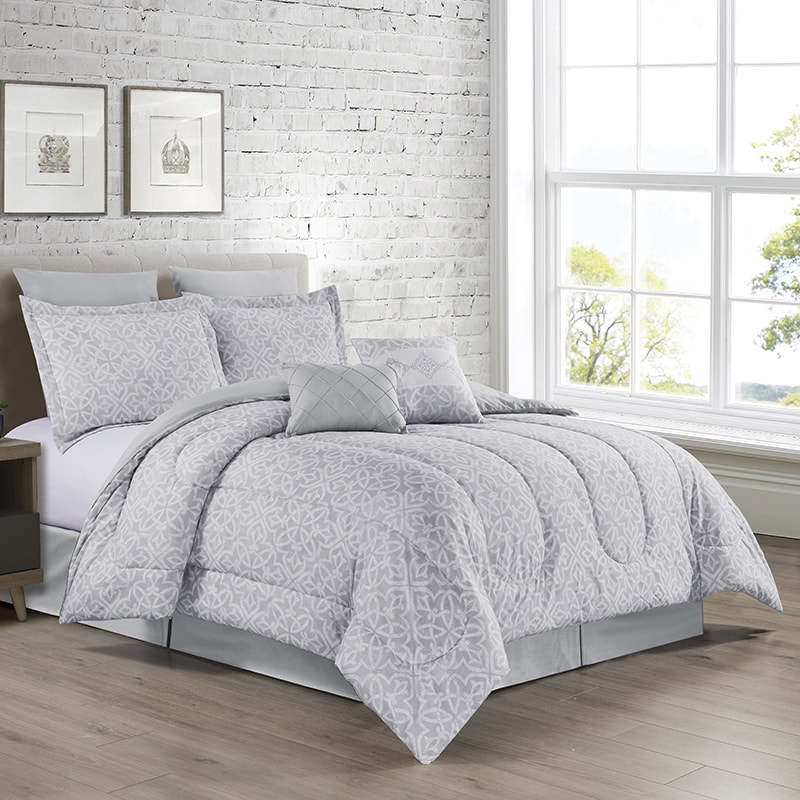
- Monochromatic Schemes: Simple whites, grays, and blacks can offer a visual break and a sense of cleanliness and order, which many find relaxing and non-distracting for the brain before sleep.
Pattern Perception and Cognitive Load
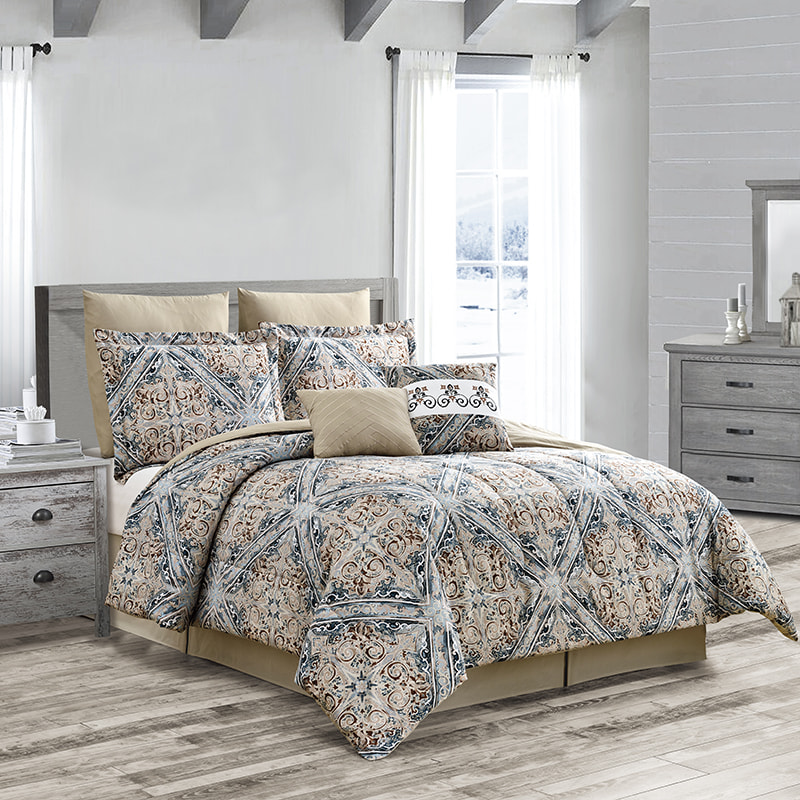
The complexity of a pattern on a Printed Duvet Cover can also subtly affect the brain. Highly detailed, chaotic, or repetitive geometric patterns might increase the “cognitive load” in a space, making it harder for the mind to fully switch off. Conversely, softer, organic, or sparsely placed designs can create a more serene visual field, allowing the brain to transition more easily into rest. The print effectively becomes the visual wallpaper of your final waking moments, and its composition matters for your ultimate peace of mind.
Sustainability and the Future of Bedding Prints
The textile industry is increasingly focused on sustainability. New advancements are making the production of a beautiful Printed Duvet Cover more environmentally friendly. Water-efficient digital printing reduces the massive water consumption typically associated with traditional dyeing. Furthermore, the development of eco-friendly, non-toxic pigment inks minimizes the chemical runoff, ensuring that the beauty we choose for our bedroom doesn’t come at a significant cost to the planet. The future of bedding lies in prints that are not only aesthetically rich but also ethically produced, merging science, style, and sustainability.

 +86-159 5050 0822
 peter@rainbowhomefashion.com
 No.199 Yimin Road, Dateng DIstrIct, Yancheng City. Jiangsu Province, China