


 English
 Español
 عربى
عربى
Content
- 1 What Makes a Jacquard Duvet Cover Different from Regular Bedding
- 2 The Most Common Jacquard Weave Patterns Found on Duvet Covers
- 3 Fabric Composition Options in Jacquard Duvet Covers
- 4 Thread Count and Weight: What the Numbers Actually Mean for Jacquard Bedding
- 5 How to Match a Jacquard Duvet Cover to Your Bedroom Style
- 6 Practical Buying Checklist for a Jacquard Duvet Cover
- 7 Washing and Caring for a Jacquard Duvet Cover Without Damaging It
- 8 Jacquard Duvet Cover vs. Other Premium Duvet Cover Types
What Makes a Jacquard Duvet Cover Different from Regular Bedding
A jacquard duvet cover gets its name from the Jacquard loom, a mechanical weaving invention from the early 19th century that allowed complex patterns to be woven directly into fabric rather than printed or embroidered onto the surface afterward. When you run your hand over a jacquard woven duvet cover, the pattern you see is actually built into the structure of the cloth itself — raised and recessed areas created by controlling which warp threads are lifted at each point in the weave. The result is a textile with genuine three-dimensional texture, depth, and a visual richness that flat-woven or printed fabrics simply cannot replicate.
This matters for bedding because the pattern on a jacquard duvet cover does not fade, crack, or peel the way screen-printed or digitally printed designs eventually do. The design is as permanent as the fabric itself. Jacquard weaving also allows for extraordinarily detailed and intricate patterns — florals, damasks, geometric structures, abstract textures, and pictorial motifs — that would be technically impossible to achieve through other decorative methods at the same level of refinement. For this reason, jacquard duvet covers occupy a distinct space in the bedding market, associating strongly with premium, luxury, and long-lasting quality.
The Most Common Jacquard Weave Patterns Found on Duvet Covers
Not all jacquard duvet covers look alike. The term "jacquard" refers to the weaving method, not a single pattern type, which means the range of designs available is enormous. However, certain pattern families dominate the bedding category and each one creates a very different aesthetic in a bedroom.
Damask
Damask is the most classic and widely recognized jacquard pattern in bedding. It features symmetrical, reversible designs — typically floral or foliage motifs — created by contrasting the sheen of satin weave areas against the matte finish of plain weave areas within the same fabric. Because damask jacquard uses a single yarn color but creates visual contrast through weave structure alone, it produces an elegant, understated look that photographs beautifully and suits formal or traditional bedroom styles. Damask jacquard duvet covers in white, ivory, or silver grey are perennial best-sellers in the luxury hotel bedding segment.
Floral Jacquard
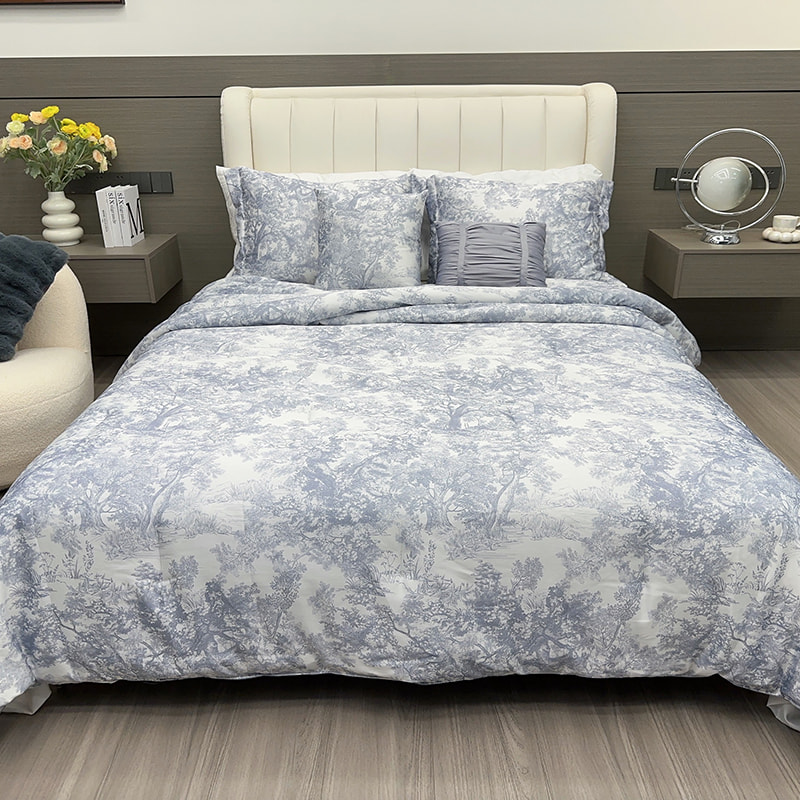
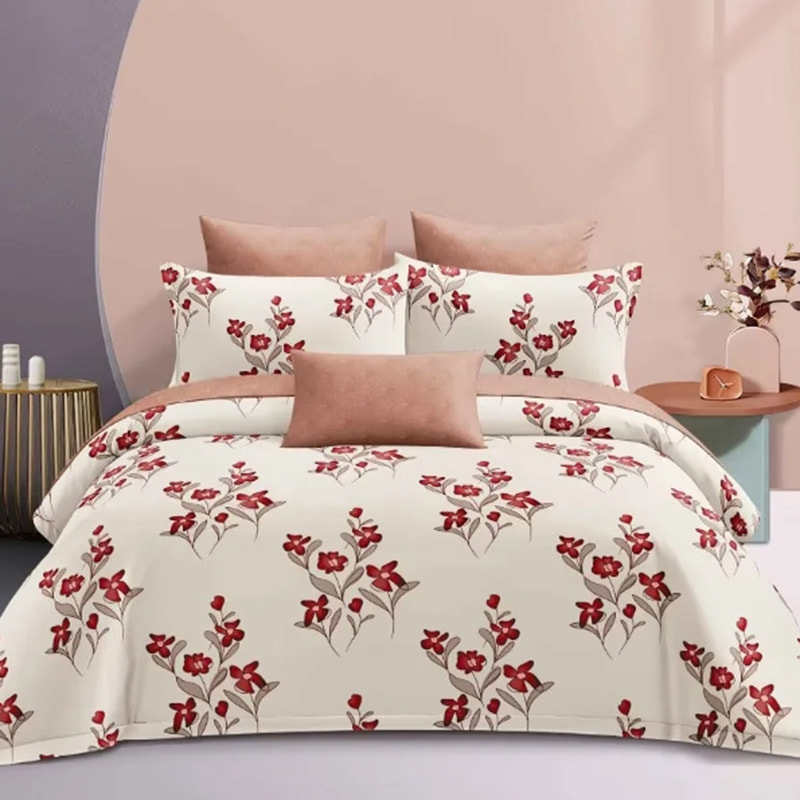
Floral jacquard patterns on duvet covers range from delicate, fine-scale botanical designs to bold, statement-making oversized blooms. Unlike damask, floral jacquard often incorporates multiple yarn colors woven simultaneously, which produces rich, complex color combinations embedded in the fabric structure. High-quality floral jacquard duvet covers use yarn-dyed threads — meaning the color is in the yarn itself, not applied to the finished fabric — which gives the colors exceptional depth, lightfastness, and wash durability compared to printed floral alternatives.
Geometric and Abstract Jacquard
Contemporary bedroom aesthetics have driven strong demand for geometric and abstract jacquard duvet covers. These use the jacquard loom's precision to create crisp, exact geometric structures — chevrons, hexagons, lattice patterns, trellis designs — with a tactile dimension that flat-woven geometrics lack. Abstract jacquard patterns can produce almost architectural surface textures that work particularly well in modern and minimalist interior schemes where material quality and textural interest take precedence over decorative ornament.
Stripe and Tonal Jacquard
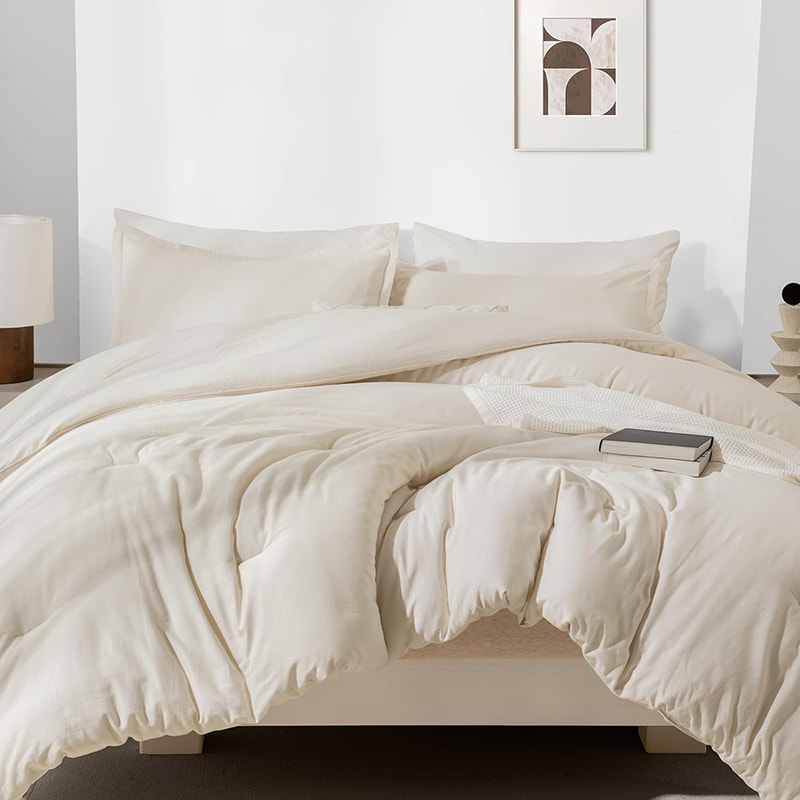
Tonal jacquard — where the pattern is created purely through weave structure variations in a single color — produces duvet covers with a subtle, sophisticated visual texture that reads as solid-color from a distance but reveals its complexity up close. Stripe jacquard combines structured woven stripes with textural variation within each stripe band. Both of these styles are widely used in luxury hotel bedding because they offer the quality signal of jacquard weaving while maintaining a restrained, neutral palette that suits a wide range of interior color schemes.
Fabric Composition Options in Jacquard Duvet Covers
The fiber content of a jacquard woven duvet cover determines how it feels against the skin, how it performs over time, how it responds to washing, and ultimately how much it costs. Jacquard weaving is compatible with virtually all major textile fibers, and the combination of weave structure and fiber choice produces very different sensory and practical outcomes.
| Fiber Content | Feel and Drape | Durability | Care | Best For |
| 100% Cotton | Soft, breathable, natural warmth | Excellent; improves with washing | Machine washable; may shrink slightly | Year-round use; sensitive skin |
| Cotton-Polyester Blend | Smooth, slightly crisp | Very good; wrinkle-resistant | Easy care; low shrinkage | Everyday use; easy maintenance |
| 100% Polyester | Silky or matte depending on yarn | Good; color-fast | Very easy; quick-drying | Budget-conscious buyers; vibrant color |
| Viscose / Rayon Blend | Lustrous, fluid, very soft | Moderate; handle with care | Delicate wash; some dry-clean only | Luxury look; decorative bedroom |
| Silk or Silk Blend | Exceptional softness and sheen | Delicate; requires careful handling | Dry-clean or hand wash recommended | Premium gifting; special occasion |
| Bamboo Blend | Silky-soft, cool to touch | Good; naturally antibacterial | Gentle machine wash; low heat dry | Hot sleepers; eco-conscious buyers |
Thread Count and Weight: What the Numbers Actually Mean for Jacquard Bedding
Thread count is one of the most frequently cited — and most frequently misunderstood — quality indicators in bedding. For jacquard duvet covers specifically, thread count tells only part of the story, and in some cases can actually mislead buyers who focus on it too heavily without considering the weave structure and fiber quality alongside it.
Thread count refers to the number of horizontal (weft) and vertical (warp) threads woven into one square inch of fabric. For standard plain-weave cotton bedding, a count between 200 and 400 typically indicates good quality, with genuine long-staple cotton fabric in this range feeling notably soft and durable. However, jacquard weaving inherently produces complex interlaced structures where individual threads cross multiple times per inch, which means the relationship between thread count and softness is less direct than in plain weave fabric. A well-constructed jacquard duvet cover woven from high-quality long-staple cotton at 300 thread count can feel superior to a loosely constructed plain weave at 600 thread count using short-staple fiber.
A more useful measure for jacquard fabric is GSM — grams per square meter — which describes the weight and density of the finished fabric. Lightweight jacquard duvet covers in the 150–200 GSM range feel crisp and cool, making them suitable for warmer climates or summer use. Mid-weight fabrics at 200–280 GSM offer the substantial, quality feel most people associate with premium bedding and are appropriate for year-round use in temperate climates. Heavier jacquard fabrics above 280 GSM have a noticeably luxurious drape and body, though they take longer to dry after washing and may feel warm for some sleepers.
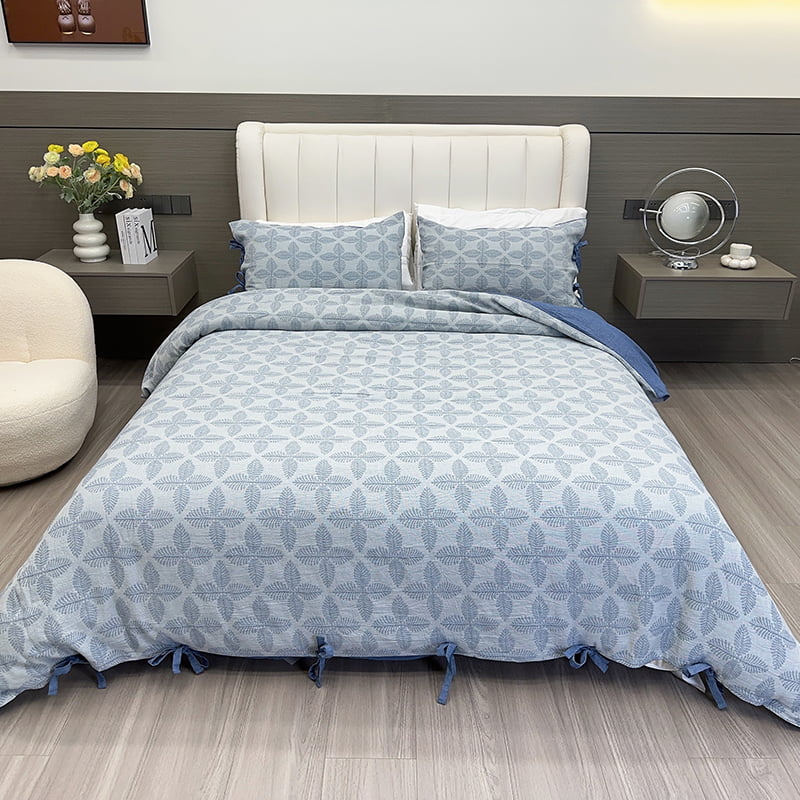
How to Match a Jacquard Duvet Cover to Your Bedroom Style
The pattern, color, and scale of a jacquard woven duvet cover have a disproportionately large influence on the overall feel of a bedroom, because the duvet cover is typically the largest single decorative surface in the room. Making the right choice requires thinking about the cover not in isolation but in relation to the other elements in the space.
Traditional and Classic Bedrooms
In rooms with period furniture, ornate headboards, or classic color schemes built around cream, navy, burgundy, or forest green, a damask or large-scale floral jacquard duvet cover is the natural choice. Look for rich, deep color palettes or classic white-on-white damask designs that reinforce rather than compete with the existing decorative elements. A high-sheen cotton or viscose-blend jacquard in a traditional pattern adds a sense of occasion and completeness to a formal bedroom scheme.
Contemporary and Minimalist Bedrooms
In pared-back, modern spaces where the architecture and furniture are understated, a tonal or geometric jacquard duvet cover provides visual interest without visual noise. Choose covers where the pattern reads as texture at normal viewing distance — subtle enough to maintain the calm of the space while rewarding closer inspection with its structural complexity. Neutral colorways such as warm grey, soft taupe, off-white, or muted sage work best. Avoid large-scale multicolor patterns in minimalist settings, as they tend to dominate rather than complement.
Eclectic and Maximalist Bedrooms
Eclectic interiors that mix periods, colors, and decorative styles can carry bolder jacquard patterns confidently. Multi-colored floral or exotic-motif jacquard duvet covers — think oversized botanical prints, paisley-inspired patterns, or richly colored ethnic-influenced designs — work well in layered, personality-driven bedroom schemes. The key in eclectic settings is to pull at least one of the cover's accent colors into another element in the room — a cushion, a lamp shade, a rug — to create a sense of intentionality rather than visual chaos.
Hotel-Inspired and Spa Bedrooms
The hotel bedroom aesthetic — crisp, serene, and immaculately put-together — is one of the most popular aspirational styles in residential bedrooms. This look is almost entirely built on white or off-white tonal jacquard bedding, typically in a damask or fine-stripe weave, layered generously and kept scrupulously clean. If replicating this look is your goal, invest in a high-quality white cotton jacquard duvet cover in a thread count of 300 or above, pair it with matching jacquard pillowcases, and keep the surrounding palette quiet and uncluttered.
Practical Buying Checklist for a Jacquard Duvet Cover
Before purchasing a jacquard duvet cover, working through a short checklist of practical questions ensures that the cover you buy performs as well in daily use as it looks in a product photograph.
- Check the closure type: Jacquard duvet covers come with button closures, zipper closures, or tie fastenings. Concealed zippers are the most convenient for daily use and keep the closure invisible from the front. Button closures are traditional and more repairable if a button is lost. Avoid covers with only two or three widely spaced ties, as the duvet insert tends to bunch up inside during use.
- Confirm the sizing against your actual duvet insert: Sizing conventions vary significantly between countries and manufacturers. A "king" size duvet cover in the UK (230×220cm) is different from a US king (264×239cm). Always compare the cover's published dimensions against your actual duvet insert dimensions, allowing for a slight overhang on all sides.
- Verify whether the set includes pillowcases: Some jacquard duvet cover listings include matching pillowcases, others sell them separately. Confirm what is included before purchasing, especially if you want a coordinated set, as buying pillowcases from a different production batch later can result in slight color or texture differences.
- Check the fiber content carefully: Marketing language like "luxurious feel" or "hotel quality" does not tell you what the fabric is made of. Look for the specific fiber composition percentage on the product listing and use the fiber guide above to set realistic expectations for feel, durability, and care requirements.
- Read the care label before buying, not after: Some jacquard duvet covers — particularly those with viscose, silk, or high-sheen synthetic yarns — require dry cleaning or very gentle hand washing. If your household needs machine-washable bedding, confirm the care instructions before purchase rather than discovering after the first wash that the cover has shrunk or lost its texture.
- Look for corner ties inside the cover: Internal corner ties anchor the duvet insert to the cover and prevent the insert from migrating or bunching up to one end over time. This small feature makes a significant difference in the practical performance of the cover during everyday use and is worth actively looking for.
Washing and Caring for a Jacquard Duvet Cover Without Damaging It
Jacquard woven fabric requires slightly more mindful laundering than plain-weave bedding because the raised three-dimensional texture that makes it beautiful is also more susceptible to mechanical damage from aggressive washing cycles. With the right approach, a quality jacquard duvet cover should maintain its appearance and texture through hundreds of washes.
Always wash a jacquard duvet cover inside out. This protects the surface texture and any raised woven elements from friction against the drum wall during the wash cycle. Use a gentle or delicate machine cycle with cool or warm water — typically 30°C to 40°C for most cotton and cotton-blend jacquard fabrics. Hot water accelerates color fading, can cause shrinkage in natural fiber fabrics, and over time weakens the yarn structure that gives the jacquard its dimensional quality. Use a mild detergent without bleach or optical brighteners, both of which degrade fiber quality and can cause uneven color loss in multi-color jacquard patterns.
For drying, tumble dry on a low heat setting or air dry flat when possible. High heat in a tumble dryer is one of the leading causes of premature wear in jacquard bedding — it can flatten the woven texture, cause shrinkage, and stress the yarn structure at the points where threads interlock in the complex jacquard weave. If ironing is needed, iron on the reverse side while the fabric is still slightly damp, using a temperature setting appropriate for the fiber content. For fabrics with a deliberate surface sheen — damask cotton or viscose-blend jacquard — avoid ironing the right side directly, as this can flatten the weave and reduce the contrast between matte and sheen areas that creates the pattern's visual depth.
Jacquard Duvet Cover vs. Other Premium Duvet Cover Types
When investing in quality bedding, it helps to understand how a jacquard duvet cover compares to other premium options — embroidered covers, printed sateen covers, and waffle-weave covers — so you can make a decision that matches both your aesthetic preference and your practical priorities.
- Jacquard vs. embroidered duvet covers: Embroidered covers apply decorative stitching on top of a woven base fabric, which adds a different kind of tactile dimension but is more prone to snags and requires more delicate care. Jacquard weaving integrates the pattern structurally, making it more durable in daily use and easier to care for than embroidered alternatives at a similar price point.
- Jacquard vs. printed sateen covers: High-thread-count sateen covers can feel extraordinarily smooth and luxurious, but printed designs on sateen eventually fade with repeated washing. A jacquard duvet cover's woven pattern never fades because it is structural, not surface-applied — a significant long-term value advantage for covers that will be washed regularly over several years.
- Jacquard vs. waffle or matelassé covers: Waffle and matelassé covers are also loom-woven with three-dimensional texture, but their patterns are typically geometric and repetitive by nature, whereas jacquard weaving can produce virtually any pattern. If you want a textured woven cover with a specific non-geometric motif — florals, damask, pictorial designs — jacquard is the appropriate choice. Waffle and matelassé work better for clean, minimal texture effects.

 +86-159 5050 0822
 peter@rainbowhomefashion.com
 No.199 Yimin Road, Dateng DIstrIct, Yancheng City. Jiangsu Province, China