


 English
 Español
 عربى
عربى
Content
- 1 What a Bedding Sheet Set Actually Includes
- 2 The Most Common Fabric Types in Bed Sheet Sets and How They Feel
- 3 Thread Count in Sheet Sets: What the Number Really Means
- 4 Sizing Guide: Getting the Fit Right for Your Mattress
- 5 How to Choose Bedding Sheet Sets Based on How You Sleep
- 6 Red Flags to Watch Out for When Shopping for Sheet Sets
- 7 How to Wash and Care for Bed Sheet Sets to Make Them Last Longer
What a Bedding Sheet Set Actually Includes
Before spending money on a bed sheet set, it helps to know exactly what you are buying. The contents of a bedding sheet set vary by retailer, price point, and bed size, and what one brand calls a "complete set" another might sell as a partial set requiring additional purchases. Understanding the standard components prevents the frustration of opening a package only to discover a piece you expected is not included.
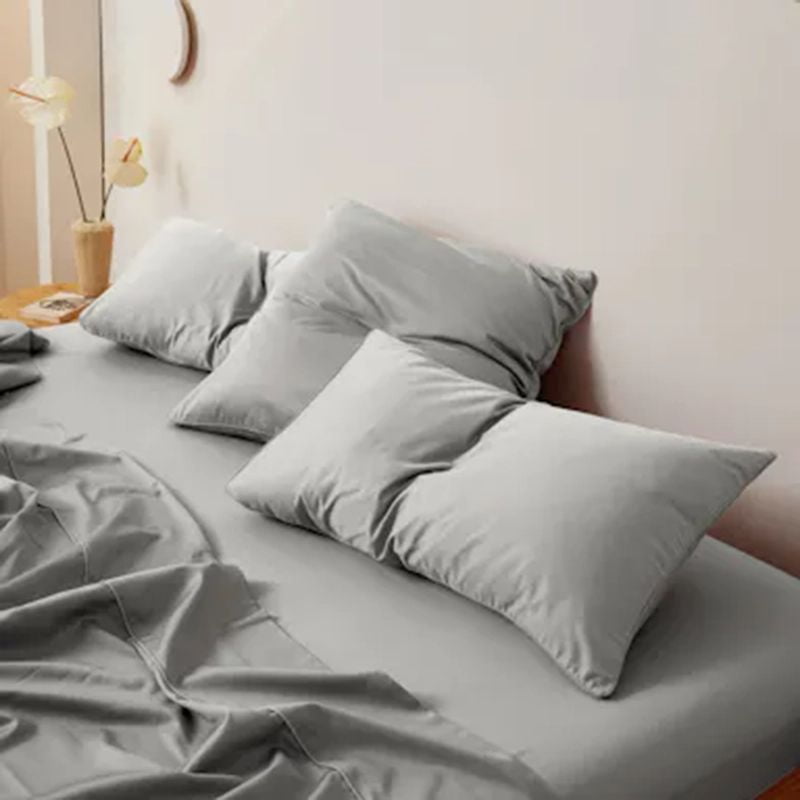
A standard bedding sheet set for a full, queen, or king bed typically contains a flat sheet, a fitted sheet, and either one or two pillowcases depending on the bed size. Twin sets usually include one pillowcase, while queen and king sets include two. Some premium or specialty sets add an additional flat sheet, a duvet cover, or extra pillowcases. Hotel-grade sheet sets sometimes include three or even four pillowcases to allow for frequent changes between laundering cycles. Always check the item count listed in the product description before purchasing, especially when comparing sets across different price ranges, because the apparent price difference between two sets sometimes comes down entirely to what is and is not included rather than differences in fabric quality.
The Most Common Fabric Types in Bed Sheet Sets and How They Feel
Fabric choice is the single most important decision when buying a bedroom sheet set. It determines how the sheets feel against your skin, how they regulate temperature during sleep, how long they last, and how much effort they require to maintain. The market offers a wide range of fiber options, each with a genuinely different sleep feel and performance profile.
Cotton Sheet Sets
Cotton remains the most widely purchased fiber for bed linen sets globally, and for good reason. It is breathable, soft, durable, hypoallergenic, and improves with every wash as the fibers gradually relax and soften. However, not all cotton sheet sets are equal — the quality of the cotton fiber itself makes an enormous difference to how the finished sheet feels and performs. Long-staple cotton varieties such as Egyptian cotton and Pima cotton produce finer, stronger, and smoother yarns than standard short-staple cotton, resulting in sheets with a noticeably silkier hand feel and much better resistance to pilling after repeated washing. Standard cotton sheet sets made from short-staple fiber are perfectly functional and affordable but tend to develop a rougher texture and pill more readily over time.
Microfiber Sheet Sets
Microfiber bed sheet sets are made from extremely fine polyester filaments woven into a dense, smooth fabric. They are the dominant option in the budget and mid-range sheet set market because they are inexpensive to produce, wrinkle-resistant, and very easy to care for. Microfiber sheets feel smooth and soft initially, but they are significantly less breathable than natural fiber alternatives. Sleepers who run hot or sweat during the night typically find microfiber sheets uncomfortable because the synthetic material traps body heat rather than dissipating it. For temperature-neutral or cool sleepers on a limited budget, however, microfiber sheet sets offer good value — they hold their color well, resist shrinking, and require minimal ironing.
Linen Sheet Sets
Linen bed sheet sets made from flax fiber occupy a premium position in the bedding market and have grown significantly in popularity as awareness of their sleep benefits has spread. Linen is exceptionally breathable and moisture-wicking, making it the best natural fiber option for hot sleepers or those in warm climates. It is also highly durable — quality linen sheet sets last far longer than cotton equivalents and actually become softer and more comfortable with each wash rather than degrading. The trade-off is that linen sheets start off feeling noticeably rougher than cotton or microfiber, require a breaking-in period of several washes before reaching their best feel, and wrinkle heavily without ironing. For buyers who prioritize longevity and temperature regulation over initial softness, linen sheet sets are a worthwhile long-term investment.
Bamboo Sheet Sets
Bamboo-derived fabric sheet sets — most commonly made from bamboo viscose or bamboo lyocell — have become one of the fastest-growing categories in bedding. Bamboo fabric is naturally silky-smooth, temperature-regulating, and has inherent antibacterial properties that reduce odor buildup between washes. Bamboo lyocell sheet sets, produced through a closed-loop manufacturing process that recycles most of the solvent used in fiber production, are considered a more environmentally responsible choice than bamboo viscose, which uses a more chemically intensive process. The main practical considerations with bamboo sheet sets are that they require gentle washing cycles and low-temperature drying to maintain the fabric's integrity — they are somewhat more sensitive to high heat and harsh detergents than cotton.
Percale vs. Sateen Weave Cotton Sets
Within cotton sheet sets specifically, the weave structure creates two distinct and very different sleep experiences. Percale is a plain one-over-one-under weave that produces a crisp, matte, cool-feeling fabric — often described as feeling like a freshly ironed shirt. Percale cotton sheet sets are the preferred choice for hot sleepers and anyone who values that classic hotel-bed crispness. Sateen uses a four-over-one-under weave that floats more threads on the surface, producing a smooth, lustrous fabric with a subtle sheen and a softer, warmer initial feel. Sateen sheet sets are popular with people who find percale too crisp, prefer a silky surface texture, and sleep in cooler environments. Sateen fabric is more prone to snagging and tends to wear more quickly than percale, but many buyers consider the superior initial feel worth the trade-off.
Thread Count in Sheet Sets: What the Number Really Means
Thread count is the number that bedding marketing leans on most heavily, and it is also one of the most misrepresented metrics in the entire home textiles industry. Understanding what thread count actually measures — and what it does not — protects you from paying premium prices for sheets that do not deliver premium quality.
Thread count measures the number of horizontal and vertical threads woven into one square inch of fabric. The logic behind using it as a quality indicator is straightforward: more threads per inch generally means a finer, denser weave and a smoother surface. In genuinely high-quality long-staple cotton, this holds true up to approximately 400–600 thread count, beyond which the fabric cannot physically accommodate more single threads per inch without compromising structural integrity. Thread counts above 600 on budget sheet sets are almost always achieved by counting multi-ply twisted yarns as multiple threads — a manufacturing practice that inflates the number without delivering a corresponding improvement in feel or durability. A 1000-thread-count sheet set made from short-staple cotton with multi-ply counting will almost always feel worse and wear out faster than a 400-thread-count set made from genuine long-staple Egyptian cotton using single-ply yarns.
The practical takeaway is to treat thread count as a useful but incomplete indicator. For cotton sheet sets, a count between 200 and 500 using single-ply long-staple cotton is the quality sweet spot. Prioritize fiber quality and weave type over a headline thread count number, and rely on brand reputation or physical fabric samples when possible rather than the number alone.
Sizing Guide: Getting the Fit Right for Your Mattress
A fitted sheet that pops off the corners of the mattress at night, or a flat sheet that does not reach far enough to tuck in properly, makes even the most expensive sheet set frustrating to sleep with. Getting the sizing right requires checking not just the bed size category but the specific dimensions of your mattress, particularly its depth.
| Bed Size | US Mattress Dimensions | UK Mattress Dimensions | Recommended Pocket Depth |
| Twin / Single | 38" × 75" | 90 × 190cm | 30–38cm / 12–15" |
| Twin XL | 38" × 80" | 90 × 200cm | 30–38cm / 12–15" |
| Full / Double | 54" × 75" | 135 × 190cm | 30–40cm / 12–16" |
| Queen | 60" × 80" | 150 × 200cm | 33–43cm / 13–17" |
| King | 76" × 80" | 180 × 200cm | 35–45cm / 14–18" |
| California King | 72" × 84" | N/A | 35–45cm / 14–18" |
Pocket depth is the measurement from the top surface of the mattress down to the base of the fitted sheet pocket. Modern mattresses, particularly those with pillow-top or memory foam comfort layers, are significantly thicker than traditional mattresses — often 30cm or more — and standard-pocket fitted sheets designed for older mattresses will not stay on. If your mattress is thicker than average, look specifically for deep-pocket or extra-deep-pocket fitted sheet sets and verify the published pocket depth measurement before purchasing. Some sheet sets describe themselves as "deep pocket" without specifying the actual depth, so always look for a number rather than a label.
How to Choose Bedding Sheet Sets Based on How You Sleep
Your personal sleep habits and temperature preferences should be the primary filter when narrowing down which type of sheet set to buy. The softest or most expensive sheet set available is the wrong choice if its thermal properties do not match how your body behaves during sleep.
For Hot Sleepers
If you regularly wake up feeling too warm, sweat during the night, or push the covers off by morning, temperature regulation should be your top priority in a sheet set. Percale cotton, linen, and bamboo lyocell are the best choices. All three are highly breathable, wick moisture away from the body, and release heat rather than trapping it. Avoid sateen weave cotton, microfiber, and polyester blends — all of these trap more body heat and will make a warm sleeper more uncomfortable. For very hot sleepers, a linen flat sheet set used without a duvet in summer is one of the most effective sleep temperature solutions available.
For Cold Sleepers
Sleepers who feel cold easily or live in colder climates benefit from sheet sets with slightly more thermal retention. Sateen cotton, flannel, and jersey cotton sheet sets all provide more warmth than percale or linen. Flannel bed sheet sets — brushed cotton with a soft, fluffy surface texture — are particularly effective for winter warmth and are significantly underrated as a year-round option in cold climates. Jersey knit sheet sets, made from cotton or cotton-polyester blend fabric, have a T-shirt-like softness and stretch that many cold sleepers find exceptionally cozy. Neither flannel nor jersey has the visual crispness of woven cotton or linen, but for pure warmth and comfort they outperform higher-priced alternatives.
For Sensitive Skin and Allergy Sufferers
People with sensitive skin, eczema, or dust mite allergies need sheet sets that minimize potential irritants. Organic cotton sheet sets certified to GOTS (Global Organic Textile Standard) are produced without synthetic pesticides, chemical finishes, or azo dyes — all of which can trigger skin reactions in sensitive individuals. Bamboo lyocell is another excellent choice for sensitive skin because of its naturally smooth fiber surface, which creates less friction against skin than cotton, and its inherent antibacterial properties that reduce allergen buildup. Avoid fabric sheet sets treated with wrinkle-resistant chemical finishes, which often contain formaldehyde-releasing compounds that are a known irritant for sensitive skin types.
Red Flags to Watch Out for When Shopping for Sheet Sets
The bedding sheet set market contains a significant amount of misleading marketing, inflated claims, and products that look compelling in photographs but disappoint in real-world use. Knowing the warning signs helps you avoid wasting money on sets that will not perform as expected.
- Suspiciously high thread counts at low prices: Thread counts above 600 at budget prices almost always indicate multi-ply counting fraud or low-quality short-staple cotton. Genuine high-thread-count long-staple cotton sheet sets cost significantly more to produce — if a 1000-thread-count "Egyptian cotton" set is priced below the cost of genuinely good 400-thread-count cotton, something is wrong with either the fiber quality or the thread count claim.
- "Egyptian cotton" or "Pima cotton" without certification: These premium cotton designations are legally unverified in many markets, meaning any product can claim them without independent verification. Look for sheet sets certified by the Cotton Egypt Association for genuine Egyptian cotton, or look for Supima certification for authentic US-grown Pima cotton. Without one of these certifications, the "Egyptian cotton" label on a budget sheet set is likely a marketing claim rather than a factual fiber description.
- Excessively soft feel straight from the packaging: Sheet sets that feel unnaturally slippery or ultra-soft when first removed from packaging are often heavily treated with silicone softeners or chemical finishing agents that wear off after a few washes, leaving a much rougher fabric underneath. Genuine quality cotton or linen sheets should feel clean and moderately soft from new, with softness improving naturally over time — not feel artificially processed.
- Missing care instructions or fiber content labels: Legitimate bedding products are legally required to carry accurate fiber content labeling and care instructions in most markets. Sets sold without clear labeling or with vague terms like "premium blend" without specifying actual fiber percentages should be treated with skepticism — reputable manufacturers have nothing to hide about what their products are made of.
- No pocket depth specification on fitted sheets: A product listing that describes a fitted sheet as "fits all mattresses" without specifying a maximum pocket depth is providing incomplete information. Always verify the actual pocket depth number — this single specification determines whether a fitted sheet will stay on your mattress or continuously come loose at the corners during the night.
How to Wash and Care for Bed Sheet Sets to Make Them Last Longer
Proper laundering is the single most controllable factor in how long a quality sheet set lasts. Most premature sheet set degradation — pilling, thinning, color fading, elastic failure in fitted sheets — is caused by washing at excessively high temperatures, using too much detergent, over-drying in a hot tumble dryer, or laundering with items that cause friction damage. A few consistent habits at wash time can double the practical life of a good sheet set.
- Wash at 40°C or below for most fabrics: Cotton, bamboo, and microfiber sheet sets all clean perfectly well at 30–40°C with a good detergent. Hot washes above 60°C accelerate fiber degradation, cause shrinkage in natural fabrics, and wear out the elastic in fitted sheet pockets far faster than cool or warm washing. Reserve higher temperatures only for sanitizing purposes when someone in the household has been ill.
- Use the correct detergent amount: More detergent does not mean cleaner sheets. Excess detergent leaves residue in the fabric fibers that attracts more dirt, stiffens the fabric over time, and irritates sensitive skin. Use the amount recommended on the detergent packaging for your water hardness and load size — typically less than most people instinctively add.
- Wash sheets separately from heavy items: Washing sheets in the same load as jeans, towels, or items with zippers causes mechanical abrasion that pills the sheet surface and weakens yarns over time. Wash complete sheet sets together as a separate load for best results.
- Tumble dry on low heat or line dry: High dryer heat is the primary cause of elastic failure in fitted sheets and is a leading contributor to cotton fiber breakdown and pilling. Low heat or air dry preserves fabric integrity significantly longer. Remove sheets from the dryer while still slightly damp and smooth them flat to reduce ironing needs.
- Rotate between two sets regularly: Using the same sheet set every night without rotation means it is laundered twice as often as it would be if you alternated between two sets. Keeping two complete bedding sheet sets in rotation and alternating them weekly effectively halves the wash count for each set, extending the usable life of both sets significantly.
- Store clean sheets properly: Fold sheets neatly and store them in a cool, dry, ventilated space. Storing sheets in plastic bags or airtight containers traps moisture and can cause mildew or yellowing, particularly with natural fiber sets. Storing a folded set inside one of its own pillowcases is a practical way to keep sets together and organized in a linen closet without additional storage boxes.

 +86-159 5050 0822
 peter@rainbowhomefashion.com
 No.199 Yimin Road, Dateng DIstrIct, Yancheng City. Jiangsu Province, China