


 English
 Español
 عربى
عربى
Content
- 1 What Is a Bamboo Bed Comforter, Exactly?
- 2 How Bamboo Fiber Is Turned Into Bedding
- 3 The Real Benefits of a Bamboo Comforter
- 4 Potential Drawbacks to Consider
- 5 Bamboo Comforter vs. Down, Down Alternative, and Cotton
- 6
- 7 How to Choose the Right Bamboo Bed Comforter for Your Needs
- 8 How to Wash and Care for a Bamboo Comforter
- 9 Who Should Buy a Bamboo Bed Comforter?
- 10 Frequently Asked Questions About Bamboo Comforters
What Is a Bamboo Bed Comforter, Exactly?
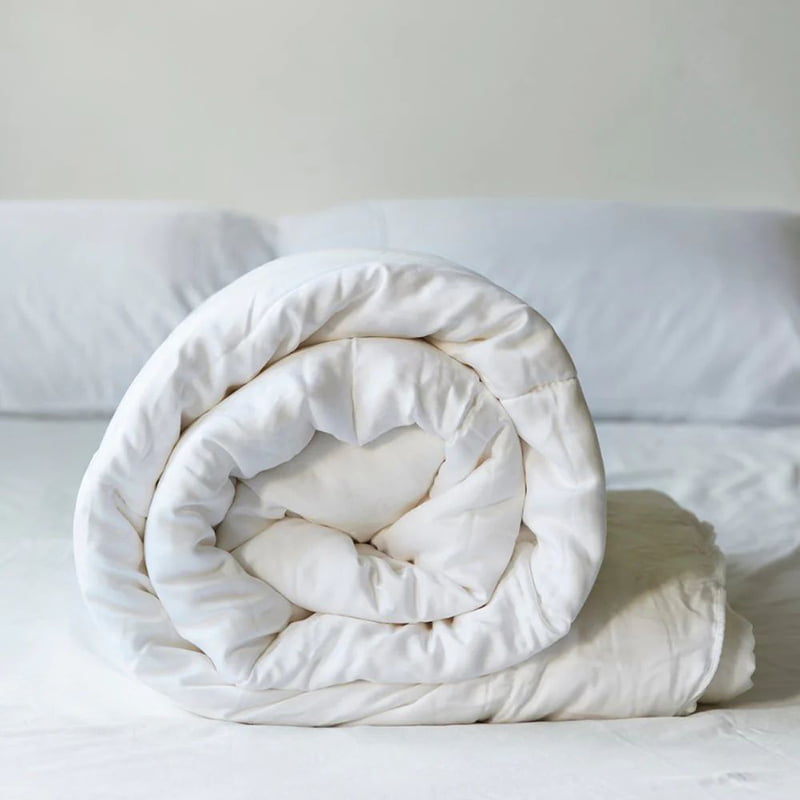
A bamboo bed comforter is a type of bedding filled or covered with fibers derived from the bamboo plant. Unlike traditional comforters stuffed with goose down or synthetic polyester, bamboo comforters use bamboo-based materials — most commonly bamboo viscose (also called bamboo rayon), bamboo lyocell, or a blend of bamboo and other natural fibers like cotton or silk. The result is a comforter that feels noticeably softer and more breathable than many conventional options.
It's worth understanding the difference between a bamboo-filled comforter and a bamboo-shell comforter. A bamboo-filled comforter uses bamboo fiber as the actual stuffing inside, providing the warmth and loft. A bamboo-shell comforter, on the other hand, uses bamboo fabric only for the outer cover while the fill may be down, down alternative, or polyester. The best bamboo comforters often combine both — a bamboo-derived shell with a bamboo fiber fill — to maximize the breathability and softness benefits.
How Bamboo Fiber Is Turned Into Bedding
Bamboo is a grass, not a tree, and it grows incredibly fast — some species grow up to 35 inches in a single day. This rapid growth makes it one of the most renewable raw materials available. But turning a sturdy bamboo stalk into soft, fluffy comforter fill involves a manufacturing process that's worth understanding, especially if sustainability matters to you.
Bamboo Viscose / Bamboo Rayon
This is the most common type used in bamboo bedding. Bamboo stalks are pulped into a liquid using chemicals, then extruded through tiny holes to form soft fibers. The result is incredibly silky and smooth. However, the chemical process (typically involving sodium hydroxide and carbon disulfide) is not perfectly eco-friendly, and most environmental certifications distinguish between "bamboo-derived" and "organic" for this reason.
Bamboo Lyocell
Bamboo lyocell is produced in a closed-loop system where the solvents used to break down the bamboo pulp are recaptured and reused. This makes it a significantly more eco-friendly option. It's less commonly found in comforters but is growing in popularity as consumers become more sustainability-conscious.
Bamboo Blends
Many bamboo comforters use a blend, such as 60% bamboo viscose and 40% polyester fill, or a bamboo-cotton shell. Blends can balance cost, durability, and softness — but always check the label so you know what percentage is actually bamboo.
The Real Benefits of a Bamboo Comforter
Bamboo bed comforters have developed a loyal following for good reasons. Here are the most practical benefits that real sleepers notice:
- Temperature regulation: Bamboo fiber naturally wicks moisture and allows airflow, making bamboo comforters a popular choice for hot sleepers or those who experience night sweats. Unlike a heavy down comforter that traps heat, bamboo bedding tends to breathe more freely.
- Hypoallergenic properties: Bamboo fibers are naturally resistant to dust mites and mold, making a bamboo fiber comforter a smart option for allergy sufferers or people with sensitive skin.
- Exceptional softness: Bamboo viscose is often compared to cashmere or silk in terms of how it feels against the skin. This makes it especially appealing for people who sleep without a duvet cover or prefer a lighter, softer blanket against their body.
- Lightweight feel: A bamboo comforter typically feels lighter than a comparable down comforter while still providing warmth — ideal for people who feel weighed down by heavy bedding.
- Eco-friendlier than many alternatives: Bamboo grows without pesticides or irrigation in most cases, and it regenerates without replanting. While the processing isn't always perfectly green, bamboo comforters are generally more sustainable than synthetic polyester options.
Potential Drawbacks to Consider
No bedding is perfect, and a bamboo bed comforter comes with a few trade-offs worth knowing about before you commit.
- Price: Quality bamboo comforters cost more than basic polyester options. Expect to pay between $80 and $250 for a well-made queen-size version, with premium lyocell models running even higher.
- Care requirements: Many bamboo comforters require gentle washing cycles or even dry cleaning. Improper washing can cause the fill to clump or the outer fabric to pill.
- Marketing confusion: The word "bamboo" is used loosely in retail. Some products labeled as "bamboo comforters" contain very little actual bamboo fiber. Always check the product's fill composition percentage before buying.
- Less lofty than down: If you love that thick, fluffy cloud-like feel of a goose down comforter, bamboo fill may feel flatter or less voluminous in comparison.
Bamboo Comforter vs. Down, Down Alternative, and Cotton
Choosing the right comforter means knowing how bamboo stacks up against other popular options. Here's a direct comparison:
| Feature | Bamboo | Down | Down Alternative | Cotton |
| Softness | Very High | High | Medium | Medium |
| Breathability | Excellent | Good | Fair | Good |
| Hypoallergenic | Yes | No | Yes | Yes |
| Eco-Friendliness | High | Medium | Low | Medium–High |
| Price Range | $$–$$$ | $$$–$$$$ | $–$$ | $$ |
| Best For | Hot sleepers, allergy sufferers | Cold climates, luxury feel | Budget buyers, vegans | Year-round, sensitive skin |
How to Choose the Right Bamboo Bed Comforter for Your Needs
Not all bamboo comforters are created equal. Here are the key factors to evaluate when shopping:
Fill Weight and Warmth Level
Bamboo comforters come in lightweight, all-season, and warm versions. Lightweight options (typically 200–300 gsm fill weight) are ideal for summer or warm climates. All-season models (around 300–400 gsm) work well year-round in moderate climates. If you live somewhere cold or tend to sleep cold, look for a warmer fill weight of 400 gsm or above, or consider layering a bamboo comforter with a blanket.
Fill Percentage and Certifications
Look for products that clearly state the bamboo content percentage. A comforter labeled "bamboo" may only use bamboo for the shell fabric, with a polyester fill inside. For the full range of bamboo benefits, aim for at least 50% bamboo fiber in the fill. Certifications to look for include OEKO-TEX Standard 100 (which confirms the product is free from harmful chemicals) and USDA Organic Bamboo claims where applicable.
Construction and Stitching
Box-stitch or baffle-box construction keeps the fill evenly distributed and prevents it from bunching in the corners. Cheaper comforters use simple channel stitching, which can cause the fill to shift over time. Check for double-stitched edges and reinforced corners, which signal better long-term durability.
Size
Always size up if you're between sizes or if you share a bed. A queen bamboo comforter on a queen mattress can feel skimpy, especially if your partner is pulling from the other side. Many shoppers prefer a king-size bamboo comforter even on a queen bed for generous drape and coverage.
How to Wash and Care for a Bamboo Comforter
Proper care is essential to keep your bamboo fiber comforter soft, fluffy, and long-lasting. Here's what to do — and what to avoid:
- Machine wash on cold, gentle cycle: Use a large-capacity front-loading washer if possible. Top-loaders with agitators can damage the fill and outer fabric.
- Use a mild, liquid detergent: Avoid powder detergents, bleach, or fabric softeners. These can break down bamboo fibers over time and cause pilling or stiffness.
- Dry on low heat with dryer balls: Wool dryer balls help fluff the fill and prevent clumping. Run an extra drying cycle if needed — a damp fill can develop mildew and odor.
- Air dry when possible: Hanging your bamboo comforter outside or in a well-ventilated room on a dry day is the gentlest option and helps preserve the fiber quality longer.
- Wash every 1–3 months: Using a duvet cover significantly reduces how often you need to wash the comforter itself, extending its life considerably.
- Store properly: When not in use, store your bamboo comforter in a breathable cotton bag — never in plastic, which traps moisture and can cause yellowing or mildew.
Who Should Buy a Bamboo Bed Comforter?
A bamboo comforter is an excellent choice for a specific group of sleepers, though it's not necessarily the ideal pick for everyone. Here's a quick breakdown:
- Hot sleepers and night sweaters will benefit most from bamboo's moisture-wicking and breathable properties. If you regularly throw off your covers in the middle of the night, a bamboo cooling comforter may be a game changer.
- Allergy sufferers who react to down or feathers will find bamboo a comfortable, hypoallergenic alternative that doesn't sacrifice softness.
- Eco-conscious consumers who want to reduce their environmental impact will appreciate bamboo's renewability — especially when choosing lyocell or OEKO-TEX certified products.
- People who love soft textures and want something lighter and silkier than a traditional comforter will enjoy the feel of a high-quality bamboo viscose comforter.
- Cold sleepers in frigid climates may want to supplement a bamboo comforter with an extra blanket or opt for a higher fill-weight model, as bamboo alone may not provide enough warmth in very cold bedrooms.
Frequently Asked Questions About Bamboo Comforters
Is a bamboo comforter good for all seasons?
Many bamboo comforters are marketed as "all-season," and for most climates and sleepers, this is accurate. The breathable nature of bamboo fiber means it adapts reasonably well to temperature changes. However, if you live in a very cold climate or sleep very cold, you may want to add a blanket in winter months.
Does a bamboo comforter feel like down?
Not exactly. A bamboo-filled comforter is softer and silkier than most down alternatives but generally has less loft than real goose or duck down. It feels lighter and more breathable, which many people prefer — but if you specifically love the thick, fluffy cloud feel of down, bamboo will feel different.
How long does a bamboo comforter last?
With proper care, a high-quality bamboo bed comforter can last 5 to 10 years. The key factors are washing frequency, washing method, and storage. Using a duvet cover, washing gently, and storing in a breathable bag will significantly extend the life of your comforter.
Are bamboo comforters actually eco-friendly?
Partially. Bamboo as a raw material is highly sustainable — fast-growing, pesticide-free, and regenerative. However, the viscose manufacturing process uses chemicals that can be environmentally harmful if not managed properly. For the most eco-friendly option, look for bamboo lyocell comforters or those with third-party certifications like OEKO-TEX or bluesign.

 +86-159 5050 0822
 peter@rainbowhomefashion.com
 No.199 Yimin Road, Dateng DIstrIct, Yancheng City. Jiangsu Province, China