


 English
 Español
 عربى
عربى
Content
What Exactly Is a Bamboo Duvet Cover?
A bamboo duvet cover is a bedding shell made from fibers derived from bamboo plants, usually processed into a soft, silky fabric called bamboo viscose or bamboo lyocell. Unlike traditional cotton covers, a bamboo duvet cover is prized for its exceptional softness, breathability, and natural temperature-regulating properties. It slips over your comforter or duvet insert just like any other cover, but the material itself behaves very differently on your skin, especially at night when your body temperature fluctuates.
Because bamboo grows quickly and requires very little water or pesticides compared to cotton, a bamboo duvet cover is also often marketed as a more sustainable bedding choice. That said, not all bamboo duvet covers are created equal, and the manufacturing process used to turn raw bamboo into fabric can affect both the feel and the eco-friendliness of the final product.
Why People Are Switching to Bamboo Duvet Covers
If you've noticed bamboo bedding popping up everywhere lately, it's not just a trend. There are practical reasons homeowners and hot sleepers keep gravitating toward a bamboo duvet cover over standard cotton or polyester options.
- Naturally breathable fibers that allow air to circulate, helping prevent overheating during sleep
- Moisture-wicking properties that pull sweat away from the body, ideal for night sweats or humid climates
- Naturally hypoallergenic and resistant to dust mites, mold, and mildew
- Silky-smooth texture that feels luxurious without the high price tag of silk
- Durable weave that holds up well to repeated washing when cared for properly
For people who run hot at night or deal with allergies, a bamboo duvet cover often solves problems that cotton alone can't fully address.
Bamboo Duvet Cover vs. Cotton vs. Microfiber
It helps to see how a bamboo duvet cover actually stacks up against the two most common alternatives on the market. Here's a side-by-side comparison based on the qualities that matter most to sleepers.
| Feature | Bamboo Duvet Cover | Cotton Duvet Cover | Microfiber Duvet Cover |
| Breathability | Excellent | Good | Poor |
| Softness | Silky, smooth | Crisp, gets softer over time | Soft but synthetic feel |
| Temperature Control | Cooling | Moderate | Traps heat |
| Hypoallergenic | Yes | Sometimes | No |
| Price Range | Mid to high | Low to mid | Low |
While microfiber wins on price, it consistently falls short on breathability and comfort. Cotton remains a solid budget-friendly choice, but a bamboo duvet cover tends to outperform both when it comes to overall sleep quality.
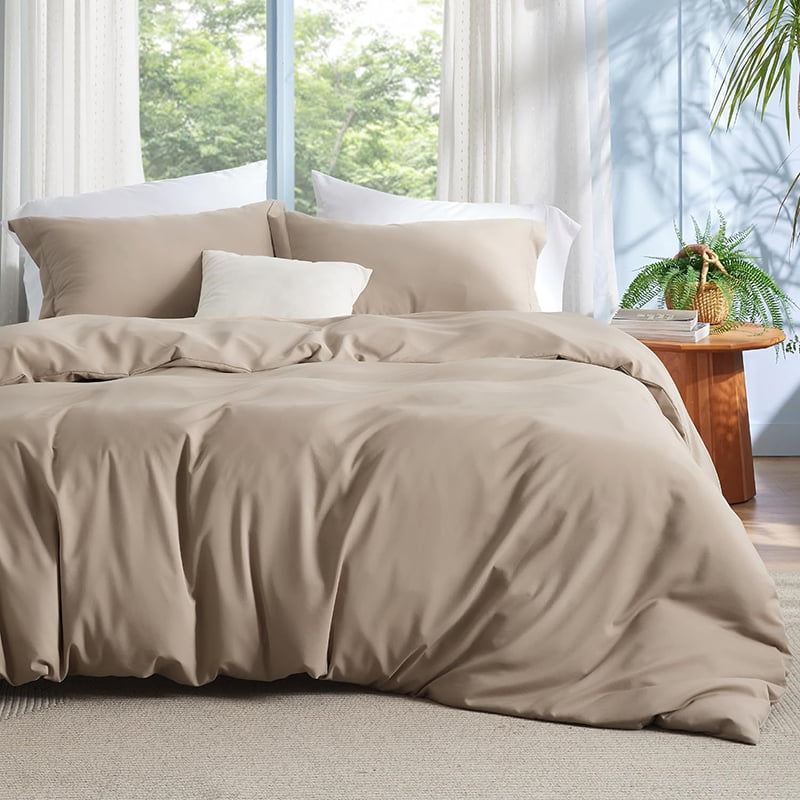
How to Choose the Right Bamboo Duvet Cover
Not every bamboo duvet cover on the market delivers the same quality. Before you buy, it's worth understanding a few key specifications that separate a great cover from a mediocre one.
Check the Weave Type
Bamboo duvet covers typically come in either a sateen weave, which has a subtle sheen and buttery-soft drape, or a twill weave, which is slightly more textured and durable. Sateen tends to feel more luxurious, while twill holds up a bit better to frequent washing.
Look at Thread Count and GSM
Instead of relying purely on thread count, which can be misleading for bamboo fabric, check the GSM (grams per square meter). A bamboo duvet cover between 300 and 400 GSM usually strikes the right balance between softness, weight, and durability.
Confirm the Certification
Look for OEKO-TEX or similar certifications on any bamboo duvet cover you're considering. This confirms the fabric was tested for harmful substances and processed responsibly, which matters since bamboo viscose production involves chemical treatment.
Caring for Your Bamboo Duvet Cover
Proper care makes a huge difference in how long a bamboo duvet cover stays soft and vibrant. Bamboo fibers are more delicate than cotton, so a few adjustments to your regular laundry routine go a long way.
- Wash in cold or lukewarm water on a gentle cycle to prevent fiber breakdown
- Use a mild, bleach-free detergent to preserve the natural softness
- Skip the fabric softener, since it can coat the fibers and reduce breathability
- Tumble dry on low heat or line dry to avoid shrinkage and fiber damage
- Iron on a low setting only if needed, ideally while the fabric is still slightly damp
Following these steps keeps your bamboo duvet cover feeling as soft on wash number fifty as it did on day one.
Is a Bamboo Duvet Cover Worth the Investment?
A quality bamboo duvet cover generally costs more upfront than cotton or microfiber alternatives, but many sleepers find the trade-off worthwhile. The combination of temperature regulation, softness, and durability often means less tossing and turning, fewer overheated nights, and a cover that lasts through years of regular use without pilling or thinning.
If you tend to sleep hot, have sensitive skin, or simply want an upgrade that feels like a small luxury every night, a bamboo duvet cover is one of the more practical bedding investments you can make. Just be sure to buy from a reputable source, check the certifications, and follow proper care instructions to get the most value out of it over time.

 +86-159 5050 0822
 peter@rainbowhomefashion.com
 No.199 Yimin Road, Dateng DIstrIct, Yancheng City. Jiangsu Province, China