


 English
 Español
 عربى
عربى
Content
- 1 Why Your Bedding Sheet Choice Matters More Than You Think
- 2 Understanding Bedding Sheet Materials
- 3 Thread Count: What It Really Means
- 4 Getting the Sizing and Fit Right
- 5 Weave Types and How They Affect Comfort
- 6 Caring for Your Bedding Sheet to Extend Its Life
- 7 Signs It's Time to Replace Your Bedding Sheet
- 8 Final Tips Before You Buy
Why Your Bedding Sheet Choice Matters More Than You Think
Most people underestimate how much a bedding sheet affects the quality of their sleep. You can spend a fortune on a mattress, but if the bedding sheet covering it is scratchy, too hot, or falling apart after a few washes, you're not going to sleep well. A bedding sheet touches your skin for roughly eight hours a night, every night, which makes it one of the most frequently used textiles in your home. Yet many shoppers grab whatever bedding sheet set looks good in a photo without checking the material, weave, or size compatibility. This guide walks through everything you actually need to know before buying a bedding sheet, so you stop guessing and start sleeping better.
Understanding Bedding Sheet Materials
The material of a bedding sheet determines how it feels, how it breathes, and how long it will last. Each fabric has strengths and weaknesses depending on your climate, budget, and skin sensitivity.
Cotton Bedding Sheet
Cotton is the most common bedding sheet material because it's breathable, durable, and easy to care for. Within cotton, there are several subtypes worth knowing. Egyptian cotton has long fibers that create a smooth, soft bedding sheet, but it tends to be pricier. Pima and Supima cotton offer similar softness at a slightly lower cost. Standard cotton-poly blends are the most budget-friendly option and resist wrinkles well, though they don't breathe quite as well as 100% cotton.
Linen Bedding Sheet
Linen bedding sheet sets have grown popular for their natural texture and excellent temperature regulation. Linen is highly breathable, making it ideal for hot sleepers or warm climates. It softens with every wash and has a relaxed, lived-in look that some people love and others find too casual. Linen is more expensive upfront but tends to last for years with proper care.
Microfiber and Synthetic Bedding Sheet
Microfiber bedding sheet sets are affordable, wrinkle-resistant, and often marketed as "cooling" or "silky." They're a solid budget choice, but synthetic fibers don't breathe as naturally as cotton or linen, which can lead to overheating for some sleepers. They're a reasonable pick for guest rooms or kids' beds where durability and price matter more than premium feel.
Thread Count: What It Really Means
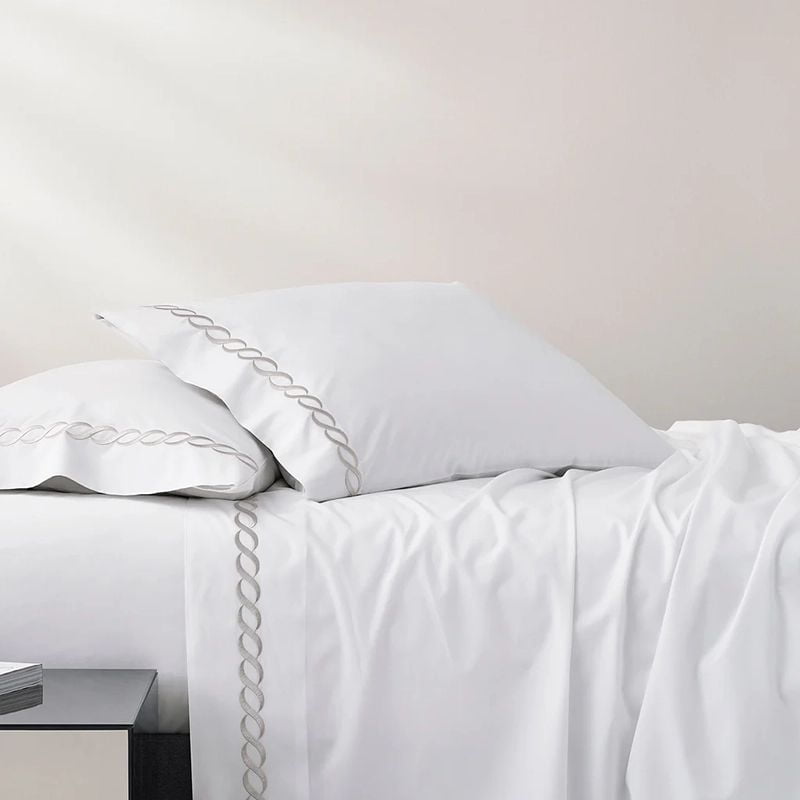
Thread count refers to the number of threads woven into one square inch of fabric, and it's one of the most misunderstood specs on a bedding sheet label. A higher number doesn't automatically mean better quality. In fact, some manufacturers inflate thread count using multi-ply threads, which can make a bedding sheet feel dense rather than soft. For most sleepers, a thread count between 300 and 500 offers a good balance of softness and breathability. Anything above 600 often relies on marketing tricks rather than genuine quality improvements.
| Thread Count | Feel | Best For |
| 180-200 | Crisp, basic | Budget shoppers |
| 300-400 | Soft, breathable | Everyday use |
| 400-500 | Smooth, luxurious | Hotel-style comfort |
| 600+ | Often inflated | Check quality carefully |
Getting the Sizing and Fit Right
A bedding sheet that doesn't fit your mattress properly will bunch up, slip off during the night, or leave gaps that expose the mattress corners. Before buying, measure your mattress's length, width, and depth, especially if you have a pillow-top or memory foam mattress that adds extra height. Most bedding sheet sets are labeled by standard sizes, but depth matters just as much as length and width.
- Standard mattress depth: 7 to 10 inches, fits most basic fitted sheets
- Deep pocket: 12 to 16 inches, needed for pillow-top or hybrid mattresses
- Extra-deep pocket: 17 inches and above, for thick memory foam mattresses
- Always check the fitted sheet's elastic quality, since weak elastic causes slipping regardless of pocket depth
Weave Types and How They Affect Comfort
Beyond material and thread count, the weave of a bedding sheet plays a big role in how it feels against your skin. Percale weave uses a simple over-under pattern that creates a crisp, cool, matte finish, similar to a fresh hotel bed. Sateen weave uses a different pattern that produces a smoother, slightly glossy surface with a warmer feel, which works well in cooler climates. Flannel bedding sheet sets are brushed for extra softness and warmth, making them a popular choice for winter months. Knowing which weave matches your climate and personal preference will save you from buying a bedding sheet that ends up feeling wrong the moment you get into bed.
Caring for Your Bedding Sheet to Extend Its Life
Even the best bedding sheet will wear out quickly if it's not cared for properly. Washing on the correct cycle, using the right detergent, and avoiding excessive heat can add years to its lifespan.
- Wash in cold or lukewarm water to prevent fiber breakdown and shrinkage
- Avoid overloading the washing machine so the fabric can move freely and rinse clean
- Skip fabric softener on cotton bedding sheet sets, since it can coat fibers and reduce breathability
- Tumble dry on low heat or line dry to prevent excessive wear
- Wash your bedding sheet weekly to reduce dust mites, oils, and allergens
Signs It's Time to Replace Your Bedding Sheet
No bedding sheet lasts forever, even with the best care. Pilling, thinning fabric, persistent odors after washing, and elastic that no longer holds the fitted sheet in place are all signs that it's time for a replacement. On average, a good-quality bedding sheet should last two to three years with regular use and proper washing. Rotating between two or three bedding sheet sets can also extend their lifespan, since each set gets less frequent wear and washing.
Final Tips Before You Buy
Choosing the right bedding sheet comes down to matching material, weave, and thread count to your personal comfort preferences and climate, while making sure the size actually fits your mattress. Don't be swayed by thread count numbers alone, and always check the fabric composition and pocket depth before adding a bedding sheet set to your cart. A little research upfront means fewer returns, better sleep, and a bedding sheet that actually holds up over time.

 +86-159 5050 0822
 peter@rainbowhomefashion.com
 No.199 Yimin Road, Dateng DIstrIct, Yancheng City. Jiangsu Province, China