


 English
 Español
 عربى
عربى
Content
- 1 What Exactly Is a Duvet Cover and Why Do You Need One?
- 2 Duvet Cover Materials: Which Fabric Is Right for You?
- 3 Duvet Cover Sizes: How to Pick the Right Fit
- 4 Thread Count in Duvet Covers: What It Actually Means
- 5 Closure Types: Buttons, Zippers, and Ties Compared
- 6 How to Put a Duvet Cover On Without Struggling
- 7
- 8 How to Wash and Care for Duvet Covers
- 9 What to Look for in a Duvet Cover Set
- 10 Duvet Cover vs. Comforter: Which One Should You Choose?
- 11 Styling Tips: How to Make Your Duvet Cover Look Like a Hotel Bed
What Exactly Is a Duvet Cover and Why Do You Need One?
A duvet cover is essentially a large fabric bag designed to enclose and protect your duvet insert or comforter. Think of it like a pillowcase — but for your entire comforter. It has an opening on one end, usually secured by buttons, a zipper, or ties, so you can slip your duvet inside and remove it easily for washing. This simple design solves one of the biggest headaches of bedding maintenance: you never have to wrestle an entire comforter into a washing machine again.
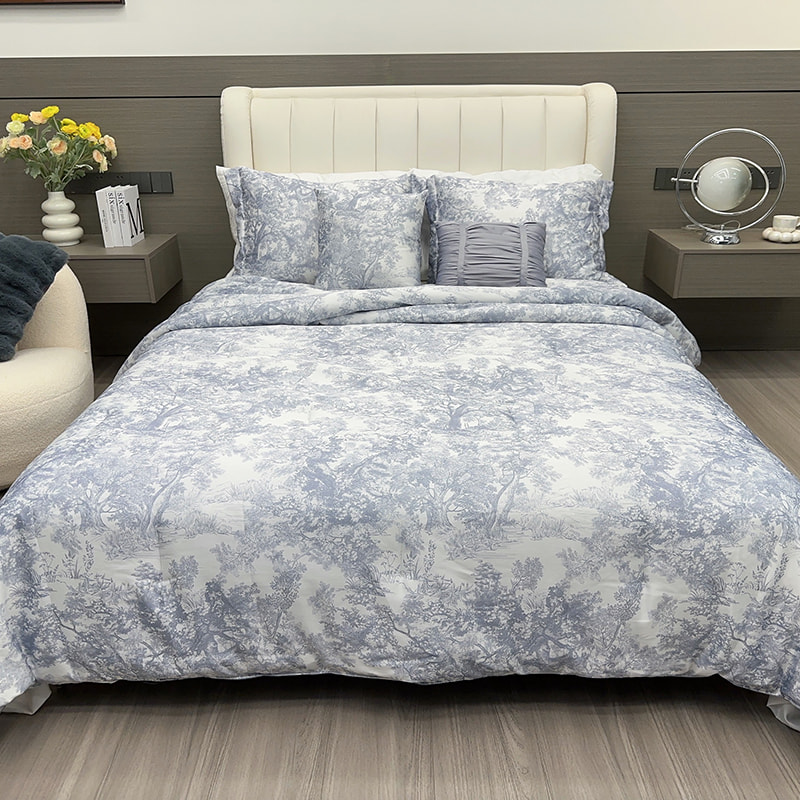
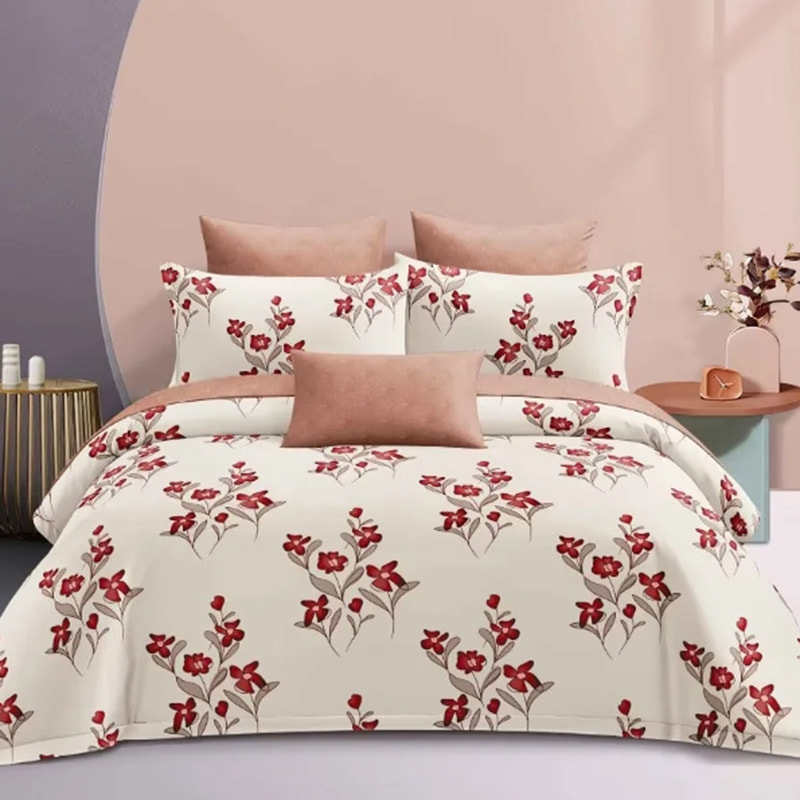
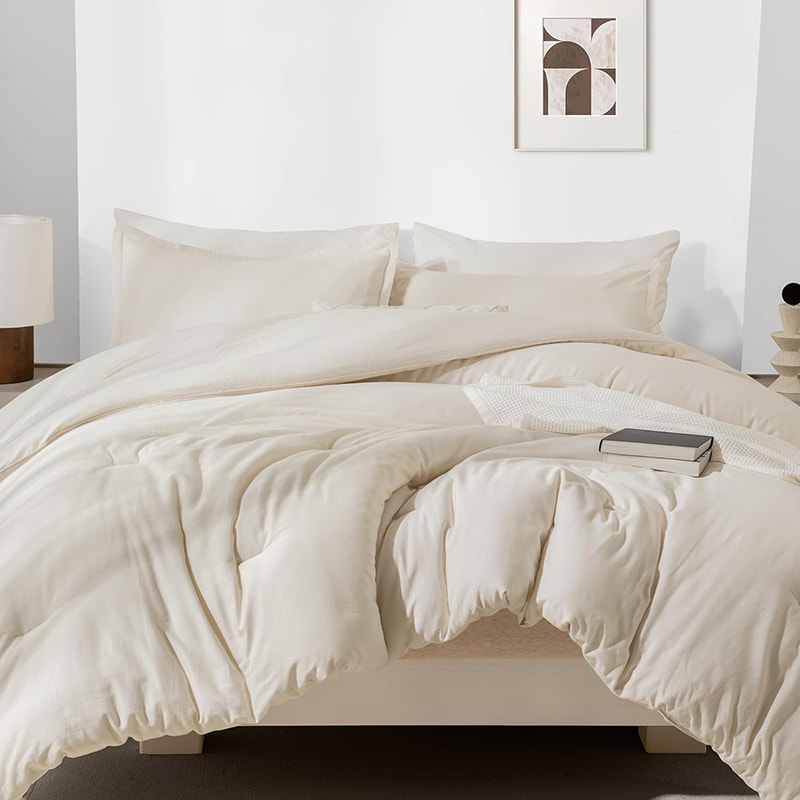
Beyond practicality, duvet covers are one of the easiest and most affordable ways to refresh your bedroom's look. Instead of buying an entirely new comforter every time you want a change, you simply swap out the cover. They come in hundreds of colors, patterns, and fabric types, making them a favorite tool for interior decorators and budget-conscious home stylists alike. Whether you're going for crisp white hotel vibes, boho printed patterns, or cozy flannel textures, there's a duvet cover set built for it.
Duvet Cover Materials: Which Fabric Is Right for You?
The fabric of your duvet cover determines how it feels against your skin, how well it regulates temperature, how long it lasts, and how much care it requires. Here are the most popular materials and what makes each one stand out:
Cotton Duvet Covers
Cotton is by far the most popular choice for duvet covers, and for good reason. It's breathable, durable, easy to wash, and gets softer with every wash cycle. Within cotton, you'll find several subcategories. Percale cotton has a crisp, matte finish with a tight weave — it's cool to the touch and ideal for hot sleepers or warm climates. Sateen cotton has a subtle sheen and a silky-smooth feel, making it feel more luxurious. Egyptian cotton and Pima cotton are premium long-staple varieties that are exceptionally soft and long-lasting, though they come at a higher price point.
Linen Duvet Covers
Linen duvet covers have a distinctively textured, lived-in aesthetic that has become enormously popular in modern bedroom design. Linen is made from flax fibers, which makes it incredibly breathable and moisture-wicking — it keeps you cool in summer and insulates in winter. It's also one of the most durable natural fabrics available, often lasting decades with proper care. The trade-off is that linen wrinkles easily and starts out feeling slightly rough, though it softens considerably after several washes. Washed linen duvet covers, which are pre-softened by the manufacturer, offer the texture benefits right out of the package.
Microfiber Duvet Covers
Microfiber is a synthetic fabric made from ultra-fine polyester fibers. It's one of the most budget-friendly duvet cover options and is known for being extremely soft, wrinkle-resistant, and easy to care for. Microfiber is also hypoallergenic, making it a smart choice for allergy sufferers. The downside is that it's less breathable than natural fibers, which can make it feel warm and sweaty for hot sleepers. It's a practical pick for kids' rooms, guest bedrooms, or anyone who wants low-maintenance bedding.
Bamboo Duvet Covers
Bamboo-derived fabrics (usually bamboo viscose or bamboo lyocell) are gaining popularity as eco-conscious alternatives to conventional cotton. Bamboo duvet covers are incredibly soft — often compared to silk — and have excellent moisture-wicking properties. They're naturally temperature-regulating, making them a great choice for night sweats sufferers. Bamboo is also a fast-growing, sustainable crop, appealing to environmentally minded shoppers. The main downside is cost; quality bamboo covers tend to be more expensive than cotton equivalents.
Flannel and Brushed Cotton Duvet Covers
For cold-weather sleeping, flannel or brushed cotton duvet covers are unbeatable. The fabric is brushed on both sides to raise the fibers and create a fuzzy, insulating surface that traps warmth close to the body. These covers are exceptionally cozy in winter but can feel too warm in summer months, so many people swap them out seasonally.
Duvet Cover Sizes: How to Pick the Right Fit
Getting the right size duvet cover is critical. A cover that's too small will bunch and pull; one that's too large will shift and bunch inside. Always match your duvet cover size to your duvet insert size — not your mattress size. Here's a standard sizing reference:
| Size Name | Duvet Cover Dimensions | Best For |
| Twin | 68" × 86" | Single beds, kids' rooms, bunk beds |
| Twin XL | 68" × 90" | College dorms, taller individuals |
| Full / Double | 86" × 86" | Full-size beds, solo adults |
| Queen | 90" × 90" | Queen beds, couples |
| King | 104" × 90" | King beds, couples who want extra coverage |
| California King | 107" × 98" | Cal King beds, taller sleepers |
One useful tip: if you're buying a duvet cover for a couple who share a bed but have different warmth preferences, some people intentionally buy a king-size duvet cover for a queen bed to get extra overhang on both sides. This "European style" of oversized bedding gives each person more coverage without fighting over the covers.
Thread Count in Duvet Covers: What It Actually Means
Thread count refers to the number of horizontal and vertical threads woven into one square inch of fabric. It's one of the most misunderstood specs in bedding. Higher thread count sounds better — but that's only true up to a point.
For cotton duvet covers, the sweet spot is generally between 200 and 600 thread count. In this range, a higher count typically means a softer, denser fabric. Below 200 can feel rough or thin; above 600 often involves multi-ply threads or marketing manipulation that doesn't translate to real quality improvements. For percale cotton, look for 200–400 thread count. For sateen, 300–600 is typical and provides that signature silky feel. For linen and bamboo covers, thread count is less relevant — focus instead on fabric weight (measured in GSM, or grams per square meter) as a better quality indicator.
Closure Types: Buttons, Zippers, and Ties Compared
The closure on a duvet cover affects both the look and the practicality of the product. Here's what to know about the three main closure styles:
- Button Closures: The most common closure style. Buttons give a clean, classic look and hold the duvet securely inside. The slight inconvenience is that fastening multiple buttons takes a little more time when making the bed. Pearl or fabric-covered buttons are common in higher-end duvet covers and add a refined aesthetic detail.
- Zipper Closures: Zippers are the most secure and fastest closure option. They're especially popular for duvet covers in children's rooms or guest bedrooms where ease of use matters. The downside is that a low-quality zipper can snag fabric or break, and the metal closure can feel uncomfortable if it's near your face. Look for hidden zipper designs that keep the zipper inside a fabric flap for a cleaner finish.
- Tie Closures (Corner Ties): Many quality duvet covers include interior corner ties — small fabric loops sewn inside the corners of the cover that you tie to corresponding loops on your duvet insert. These don't close the opening but instead prevent the insert from shifting and bunching inside the cover, which is one of the most frustrating problems with duvet use. If your duvet cover doesn't have corner ties, look for a duvet insert with corner loops so you can use safety pins as a workaround.
- Snap Closures: Less common than buttons or zippers, snaps provide a quick and secure close. They're particularly durable and are sometimes found on more utilitarian or commercial-grade duvet covers.
How to Put a Duvet Cover On Without Struggling
Wrestling a duvet insert into its cover is one of those universally frustrating household chores — but there's a much easier way to do it. The "burrito method" (also called the inside-out roll method) is a game-changer and takes less than two minutes once you know it:
- Turn the duvet cover inside out and lay it flat on the bed with the opening at the foot of the bed.
- Place the duvet insert on top of the inside-out cover, aligning the corners carefully.
- Starting at the closed end (the top), roll both the cover and insert together into a tight "burrito" roll toward the opening end.
- When you reach the opening, grab the duvet cover opening and fold it outward over the ends of the roll, enclosing both ends of the burrito inside.
- Fasten the closure (buttons, zipper, or snaps) and then unroll the whole thing. The cover will naturally flip right-side out as it unrolls, with the insert perfectly inside.
- Shake the corners into place, secure any interior corner ties, and you're done.
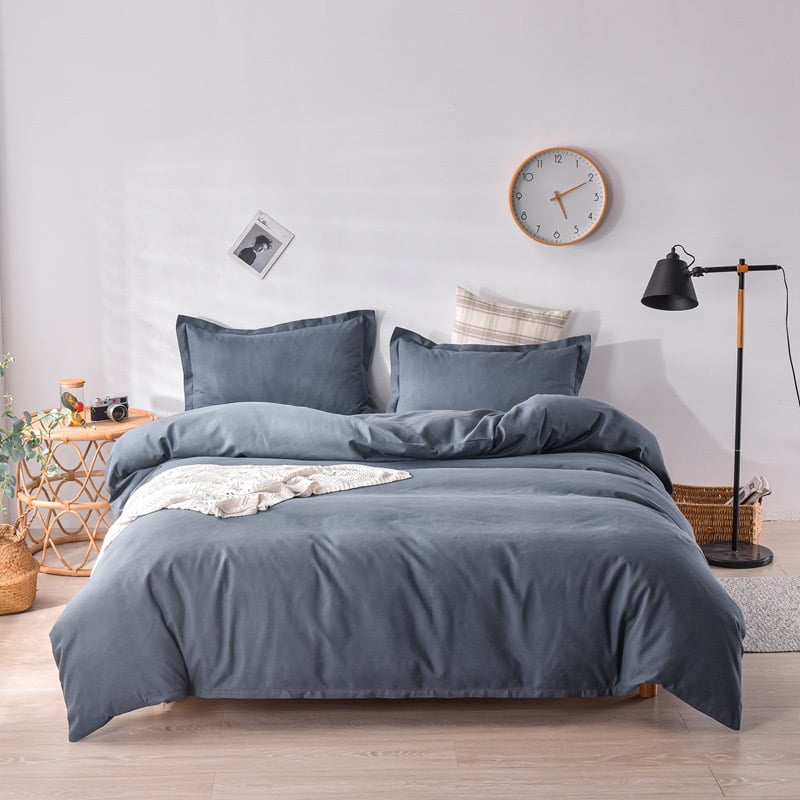
How to Wash and Care for Duvet Covers
One of the biggest advantages of duvet covers is how easy they make laundry. Since the cover takes all the dirt, sweat, and skin oils, the duvet insert itself only needs washing two to four times per year. Your duvet cover, on the other hand, should be washed every one to two weeks — the same frequency as your sheets. Here's how to care for the most common fabrics:
Washing Cotton and Microfiber Duvet Covers
Machine wash on a warm or cool cycle with a gentle detergent. Avoid hot water for colored covers, as it can cause fading and shrinkage. Tumble dry on a low to medium heat setting. Remove promptly from the dryer to prevent wrinkles, or pull out slightly damp and let it air-finish for a smoother result. A small clean tennis ball or dryer ball in the dryer can help prevent fabric from clumping.
Washing Linen Duvet Covers
Linen can be machine washed on a gentle cycle with cool or lukewarm water. Avoid harsh detergents or bleach, which can break down the natural fibers. Line drying is ideal for linen and helps preserve its natural texture and longevity. If using a dryer, use low heat and remove while still slightly damp to prevent over-drying, which makes linen stiff and prone to tearing at the seams. Linen wrinkles are considered part of its charm, but if you prefer a smoother look, iron while still slightly damp on a high heat setting.
Washing Bamboo Duvet Covers
Bamboo fabric is more delicate than cotton. Use a cold, gentle cycle and a mild detergent. Never use fabric softener with bamboo — it coats the fibers and reduces the fabric's natural moisture-wicking properties over time. Tumble dry on the lowest heat setting or air dry. Bamboo can shrink slightly in high heat, so always err on the side of cooler temperatures.
What to Look for in a Duvet Cover Set
Most duvet covers are sold as sets that include matching pillowcases, and sometimes a flat sheet. When shopping for a duvet cover set, here are the key factors worth evaluating beyond just the visual design:
- Interior corner ties: These are a must-have feature. Without them, your duvet insert will migrate to one corner within days of use, creating an uneven, lumpy look and unequal warmth distribution.
- Double-stitched seams: Check that the seams are reinforced. Single-stitched seams on budget covers can split after just a few wash cycles, especially at the corners where tension is greatest.
- Fabric weight (GSM): For linen and bamboo, a GSM of 100–150 is lightweight and airy; 150–200 GSM is medium weight and most versatile; above 200 GSM feels substantial and heavier. Choose based on your climate and personal preference.
- OEKO-TEX or GOTS certification: These certifications verify that the fabric has been tested for harmful chemicals and dyes. They're particularly important if you're buying bedding for children or anyone with sensitive skin or allergies.
- Number of pillowcases included: Standard sets include two pillowcases for queen and king sizes. Make sure the pillowcase size matches your actual pillows — king-size pillowcases on standard pillows look sloppy and undersized.
- Return and trial policy: Since you can't feel fabric through a screen, buying from brands that offer free returns or sleep trials (typically 30–100 nights) takes the risk out of online bedding purchases.
Duvet Cover vs. Comforter: Which One Should You Choose?
This is one of the most common questions in bedding, and the answer depends on your priorities. A comforter is a single, all-in-one quilted blanket filled with down or synthetic fiber — it looks decorative and is ready to use straight out of the package. A duvet system, on the other hand, consists of a plain insert plus a removable cover.
Comforters are simpler but harder to wash (many require professional cleaning or a large-capacity machine) and less versatile in terms of styling. Duvet cover systems require slightly more setup but offer enormous flexibility: swap the cover for a different season, aesthetic, or simply when the current one wears out, without replacing the insert. For most people who care about easy washing and bedroom styling flexibility, the duvet cover system is the smarter long-term investment. For minimalists who want simplicity and don't mind less variety, a standalone comforter is perfectly practical.
Styling Tips: How to Make Your Duvet Cover Look Like a Hotel Bed
A beautiful duvet cover is only part of the equation — how you style and layer it matters just as much. Here are practical styling tips that make a real difference:
- Use the right insert fill power: A flat, limp-looking duvet usually means the insert has insufficient fill power. Down and down-alternative inserts rated 550–700 fill power produce a fluffy, cloud-like appearance. Avoid very cheap inserts — they deflate quickly and make even expensive duvet covers look sad.
- Fold down the top edge: Pull the duvet cover up to the top of the bed, then fold the top edge down 8–12 inches to reveal the pillowcases or the underside pattern. This is the signature hotel look and immediately elevates the bed's appearance.
- Layer with a throw blanket: Drape a textured throw or knit blanket across the foot of the bed for an added layer of visual warmth and depth. Choose a contrasting color or complementary texture to make both pieces stand out.
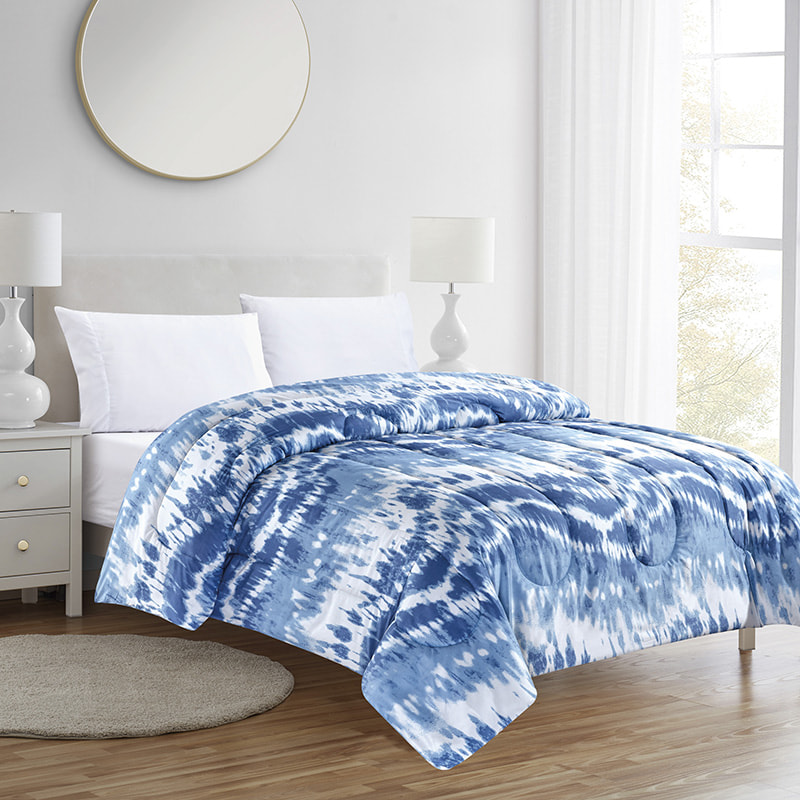
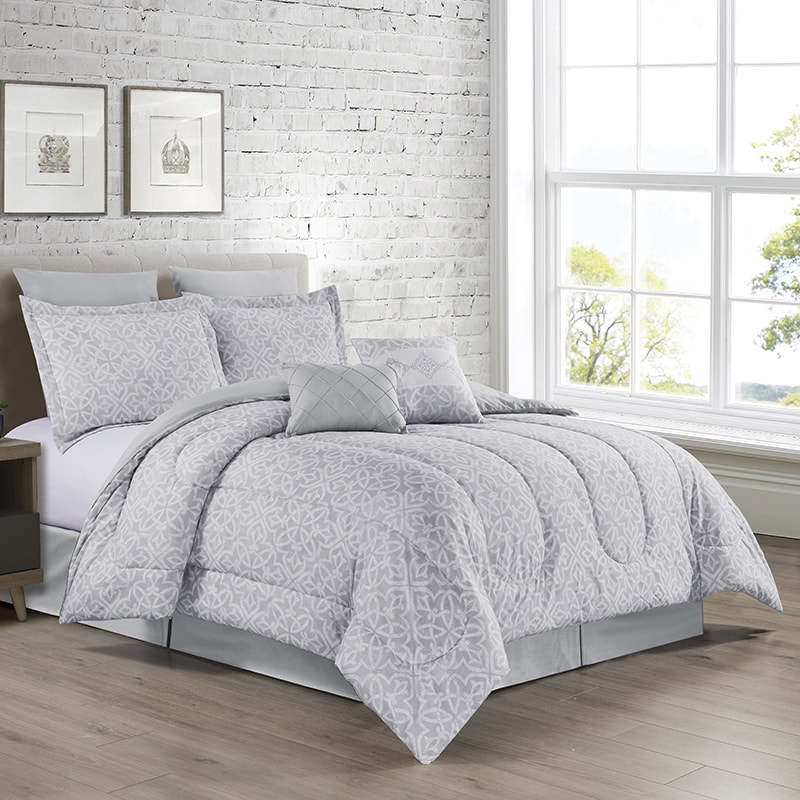
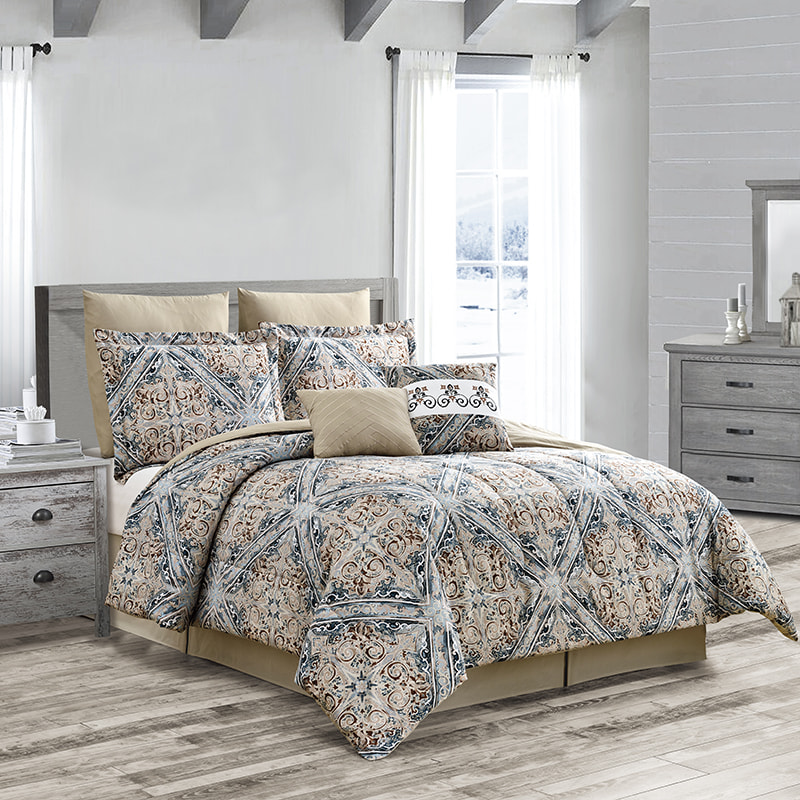
- Mix patterns deliberately: If your duvet cover is solid, choose patterned shams or pillowcases, and vice versa. Mixing a solid duvet with striped or geometric pillowcases creates visual interest without looking chaotic.
- Iron or steam your cover: For sateen or percale cotton, a quick once-over with a steamer after putting the cover on makes an enormous visual difference. Even a wrinkle-prone linen cover looks more intentionally relaxed (rather than just messy) when lightly steamed.

 +86-159 5050 0822
 peter@rainbowhomefashion.com
 No.199 Yimin Road, Dateng DIstrIct, Yancheng City. Jiangsu Province, China