


 English
 Español
 عربى
عربى
Content
Why So Many People Are Switching to Linen Bedding Sets
Linen bedding sets have gone from a niche European favorite to a genuinely popular choice in bedrooms everywhere, and the reasons come down to how the fabric actually performs night after night. Linen is made from the fibers of the flax plant, which naturally allows air to pass through the weave far more easily than cotton or synthetic blends. This means linen sheets keep you cooler in summer while still trapping enough warmth to feel cozy in cooler months, something most other fabrics struggle to balance well.
Beyond temperature regulation, linen is also known for getting softer with every wash rather than wearing thin or pilling like many cotton blends do over time. That relaxed, slightly rumpled texture that linen bedding is known for isn't a flaw; it's part of the appeal, giving bedrooms a lived-in, effortless look that's hard to recreate with crisp, tightly woven cotton sheets.
What to Look for When Buying a Linen Bedding Set
Not all linen bedding is created equal, and price alone doesn't always tell you what you're getting. Knowing what actually affects quality helps you avoid sets that look nice in photos but disappoint once they arrive.
Fabric Weight and Weave
Linen fabric weight is typically measured in grams per square meter (GSM), with most quality bedding falling somewhere between 150 and 200 GSM. Lighter weights feel airier and are great for hot climates, while heavier weights have a bit more structure and drape, often preferred for cooler regions or those who like a slightly more substantial feel.
Flax Source and Fiber Quality
European flax, particularly from regions like Belgium and France, is widely regarded as producing some of the finest linen fiber due to the climate and soil conditions ideal for flax cultivation. Sets made with certified European flax tend to feel softer sooner and hold up better over repeated washing compared to lower-grade flax blends.
Stitching and Finishing Details
Check the seams on pillowcases and duvet covers for even, reinforced stitching, since linen's natural fiber structure can fray more easily than tightly spun cotton if seams aren't finished properly. French seams or flat-felled seams are good indicators of a well-constructed set built to last.
Comparing Linen Bedding to Other Common Fabrics
If you're deciding between linen and other popular bedding materials, it helps to see how they stack up on the factors that matter most day to day.
| Fabric | Breathability | Softness Over Time | Durability |
| Linen | Excellent | Improves with washing | Very durable |
| Cotton Percale | Good | Stays consistent | Durable |
| Sateen Cotton | Moderate | Can thin over time | Moderate |
| Microfiber | Poor | Stays same or pills | Moderate |
How to Wash and Care for Linen Sheets Properly
Linen is more forgiving than people expect, but a few care habits make a real difference in how the fabric looks and feels over the years. Wash linen bedding in cool or lukewarm water using a gentle cycle, since hot water can weaken the natural fibers over repeated washes. Avoid overloading the washing machine, as linen needs room to move freely in order to wash evenly and avoid excessive creasing.
- Use a mild, phosphate-free detergent to avoid stripping the natural fibers of their softness over time.
- Skip fabric softener, since it can actually reduce linen's natural breathability by coating the fibers.
- Tumble dry on low heat or line dry when possible, removing the sheets while still slightly damp to prevent stiffness.
- Skip ironing entirely if you enjoy the relaxed, textured look linen is known for, or use a cool iron with steam if a smoother finish is preferred.
- Store unused linen sets in a breathable cotton bag rather than sealed plastic to prevent musty odors from developing.
Following these steps consistently is really the secret behind that famously soft, broken-in feel that makes people fall in love with linen bedding in the first place; it genuinely gets better with time rather than wearing out.
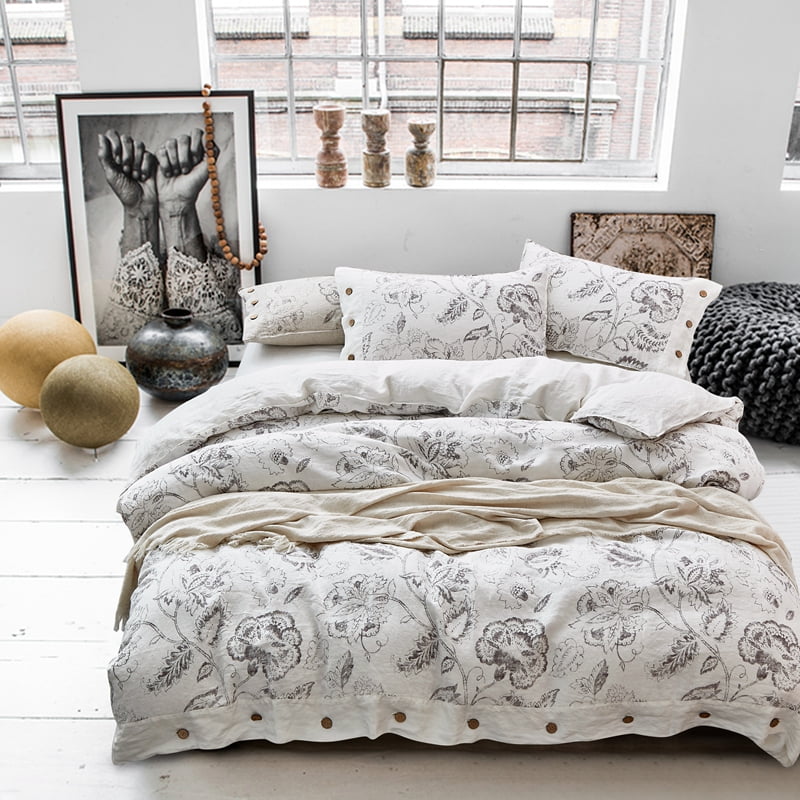
Choosing the Right Color and Style for Your Bedroom
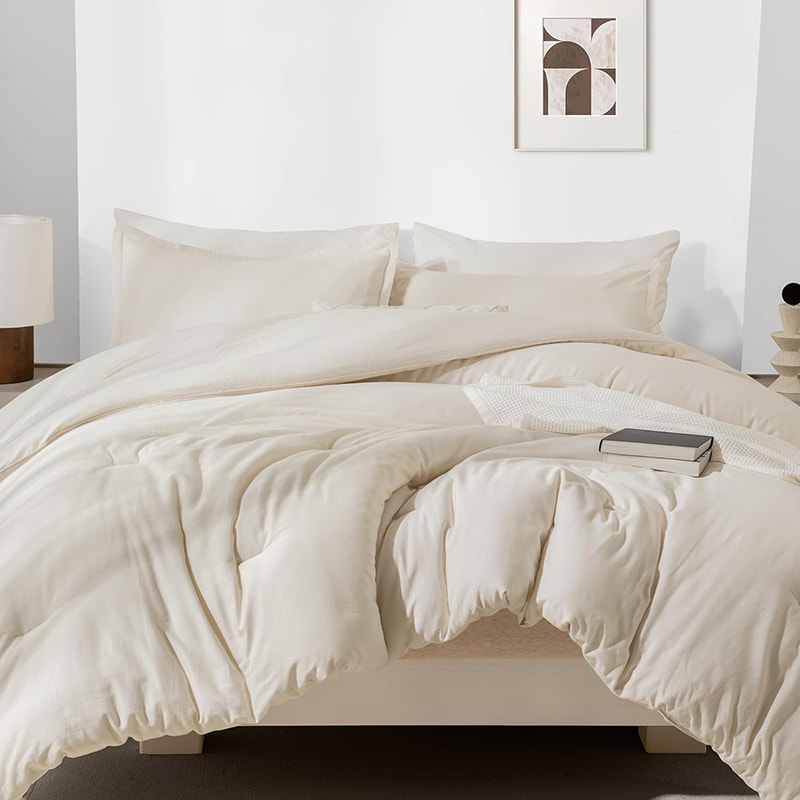
Linen bedding sets come in a range of colors, but the most popular options tend to lean toward natural, muted tones that complement the fabric's organic texture rather than fight against it. Soft neutrals like oatmeal, sage, and stone gray are consistently popular because they pair easily with most bedroom color schemes and don't show wrinkles as noticeably as darker or brighter colors sometimes do.
If you prefer a bolder look, deeper tones like terracotta, rust, or forest green have become increasingly popular for adding warmth without straying from linen's relaxed, earthy aesthetic. Whatever color you choose, keep in mind that linen's texture naturally diffuses light differently than smoother fabrics, so colors often appear slightly softer and more muted in person than they do in product photos.
Common Questions to Settle Before You Buy
A few practical details are worth confirming before adding a linen bedding set to your cart, especially since sizing and inclusions can vary more between brands than with standard cotton sets.
- Check exactly what's included in the set, since some listings bundle only a fitted sheet and pillowcases while others include a flat sheet or duvet cover as well.
- Confirm the fitted sheet's pocket depth matches your mattress thickness, especially for thicker mattresses with mattress toppers.
- Look for a pre-washed or stonewashed finish, which means the linen will already feel softer right out of the packaging instead of needing several washes to break in.
- Read return policies carefully, since bedding is a personal purchase and some retailers have stricter return rules for opened linen products.
Checking these details before purchasing helps make sure the set you receive actually fits your bed and expectations, rather than dealing with a return process after the fact.

 +86-159 5050 0822
 peter@rainbowhomefashion.com
 No.199 Yimin Road, Dateng DIstrIct, Yancheng City. Jiangsu Province, China