


 English
 Español
 عربى
عربى
Content
- 1 What Is a Bamboo Duvet Cover and Why Are People Switching to It?
- 2 Types of Bamboo Fabric Used in Duvet Covers
- 3 Key Benefits of a Bamboo Duvet Cover
- 4 What to Look for When Buying a Bamboo Duvet Cover
- 5 Bamboo Duvet Cover vs. Cotton Duvet Cover: Which Is Better?
- 6 How to Wash and Care for a Bamboo Duvet Cover
- 7 Who Should Use a Bamboo Duvet Cover?
- 8 Common Questions About Bamboo Duvet Covers Answered
- 9 Tips for Getting the Most Out of Your Bamboo Duvet Cover
What Is a Bamboo Duvet Cover and Why Are People Switching to It?
A bamboo duvet cover is a bedding cover made from fabric derived from bamboo plant fibers. The most common fabric types you'll encounter are bamboo viscose (also labeled as bamboo rayon), bamboo lyocell, and blended bamboo-cotton. Each has a slightly different texture and performance profile, but all share the key qualities that make bamboo bedding so popular: a soft, silky feel, strong breathability, and natural moisture management. For anyone who sleeps hot, wakes up sweaty, or simply wants bedding that feels luxurious without a luxury price tag, a bamboo fiber duvet cover is one of the most practical upgrades you can make to your bedroom.
Unlike standard cotton covers that can feel stiff or trap heat, bamboo-derived fabric has a naturally smooth drape and a temperature-regulating quality that keeps you comfortable across seasons. It's also increasingly popular with people who have sensitive skin or allergies, since bamboo fabric is naturally hypoallergenic and resistant to dust mites. As sustainable living becomes more of a priority for consumers, the eco-friendly reputation of bamboo as a fast-growing, low-pesticide crop adds another layer of appeal to bamboo duvet covers.
Types of Bamboo Fabric Used in Duvet Covers
Not all bamboo duvet covers are made the same way. The type of bamboo fabric used affects the feel, durability, environmental impact, and price of the cover. Here's a clear comparison of the most common options:
| Fabric Type | How It's Made | Feel | Eco Rating |
| Bamboo Viscose / Rayon | Chemical process dissolves bamboo pulp into fiber | Very soft, silky, drapey | Moderate (chemicals used) |
| Bamboo Lyocell | Closed-loop process recycles solvents | Soft, slightly crisper than viscose | High (low waste process) |
| Bamboo Linen | Mechanical retting, no chemicals | Textured, breathable, less silky | Very High (natural process) |
| Bamboo-Cotton Blend | Blended yarn of bamboo and cotton fibers | Soft but more structured than pure bamboo | Moderate |
For most buyers, bamboo viscose duvet covers offer the best combination of softness and affordability. If sustainability is your top priority, bamboo lyocell is worth the extra cost. Bamboo linen covers suit those who prefer a more natural, textured feel similar to traditional linen bedding.
Key Benefits of a Bamboo Duvet Cover
People who switch to bamboo bedding covers often wonder why they didn't do it sooner. The advantages go well beyond just feeling nice to the touch. Here's what bamboo duvet covers actually deliver in real, everyday use:
Temperature Regulation for Hot Sleepers
Bamboo fabric has a naturally porous micro-structure that allows air to circulate more freely than tightly woven cotton or polyester. This makes a bamboo duvet cover genuinely cooler to sleep under, particularly during warm months or for people who run hot at night. The fabric doesn't trap warm air against your body the way dense weave fabrics do. Many bamboo cover users report fewer night sweats and a more consistent sleep temperature throughout the night.
Moisture Wicking and Fast Drying
Bamboo-derived fabrics absorb moisture quickly and wick it away from the surface, helping to keep your skin dry. This is a major advantage over standard polyester covers, which sit on top of moisture rather than managing it. Even compared to cotton, bamboo fabric tends to dry faster both on the body and in the wash, which also means less chance of musty odors developing between washes.
Hypoallergenic and Skin-Friendly
Bamboo fabric is naturally resistant to dust mites, mold, and mildew — three of the most common triggers for bedroom allergies and skin irritation. A bamboo duvet cover is an excellent choice for people with eczema, sensitive skin, or respiratory allergies. The smooth fiber surface also causes less friction against skin compared to coarser cotton weaves, reducing the chance of irritation during sleep.
Durability That Improves With Washing
High-quality bamboo duvet covers actually get softer with each wash rather than stiffening over time. Unlike some delicate fabrics that degrade quickly, bamboo fiber is remarkably strong for its weight. A well-made bamboo cover with a good thread count (typically 300–500 for duvet covers) can last several years with proper care, making it a cost-effective investment over time.
What to Look for When Buying a Bamboo Duvet Cover
The bamboo bedding market has grown rapidly, and not every product lives up to its label. Here are the specific things worth checking before you buy:
- Bamboo percentage: Look for covers that are at least 60–70% bamboo-derived fiber. Products labeled "bamboo blend" with only 30% bamboo won't deliver the same breathability or softness as higher-bamboo-content covers.
- Thread count: For bamboo viscose duvet covers, a thread count between 300 and 500 is the sweet spot — soft enough to feel luxurious without being so dense that breathability suffers. Above 600 thread count in bamboo fabric often means a heavier, warmer cover.
- Certifications: Look for OEKO-TEX Standard 100 certification, which confirms the fabric has been tested for harmful substances. For eco-conscious buyers, USDA Organic Bamboo or FSC-certified bamboo sourcing adds further credibility.
- Closure type: A good bamboo duvet cover should have either a zipper closure or button ties to keep your duvet securely in place. Envelope closures can allow the duvet to shift during the night. Corner ties inside the cover are also a practical feature to anchor your insert.
- Weave type: Sateen-weave bamboo covers have a glossy, smooth surface and feel extra silky. Percale-weave bamboo covers are crisper and slightly more matte — better for those who prefer a cool, hotel-linen feel. Both are valid choices depending on personal preference.
- Size accuracy: Bamboo fabric can shrink slightly in the wash. Check that the duvet cover dimensions listed are post-wash sizes, or size up if you have a thick or oversized duvet insert.
Bamboo Duvet Cover vs. Cotton Duvet Cover: Which Is Better?
This is one of the most common questions shoppers ask. The honest answer is that it depends on what you prioritize in bedding. Here's a side-by-side breakdown to help you decide:
| Feature | Bamboo Duvet Cover | Cotton Duvet Cover |
| Softness | Very soft, silky feel | Varies; Egyptian cotton is soft, standard cotton is rougher |
| Breathability | Excellent | Good (percale cotton is best) |
| Moisture Wicking | Superior | Moderate |
| Hypoallergenic | Naturally hypoallergenic | Not inherently; organic cotton is better |
| Durability | Good; gets softer over time | Very good; long-lasting with proper care |
| Price | Mid to high range | Wide range; budget to luxury |
| Eco-Friendliness | High (bamboo grows fast, needs little water) | Lower (conventional cotton uses heavy pesticides and water) |
| Wrinkle Resistance | Good; resists heavy creasing | Percale wrinkles easily; sateen holds better |
If you sleep hot or have sensitive skin, a bamboo duvet cover is likely the better choice. If you prefer a crisper, more traditional bedding feel and want the widest range of price and style options, a high-quality cotton cover remains a strong contender. Many households end up keeping one of each for different seasons.
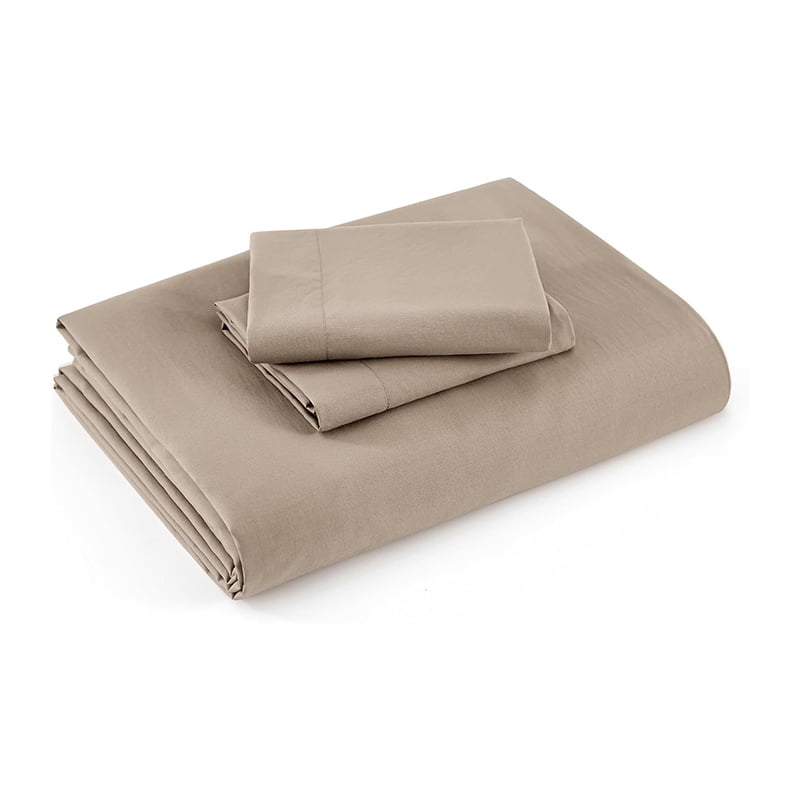
How to Wash and Care for a Bamboo Duvet Cover
Bamboo fabric is relatively easy to care for, but a few simple rules make a big difference in how long your cover stays soft and in good shape. Most bamboo duvet covers can be machine washed, which is a practical advantage over silk or some delicate linen covers.
Washing Instructions
- Wash in cold or lukewarm water — ideally 30°C (86°F) or below. Hot water weakens bamboo fibers and can cause significant shrinkage.
- Use a gentle or delicate cycle. Aggressive spin cycles can cause pilling and fabric stress over time.
- Use a mild, liquid detergent. Avoid detergents with bleach, optical brighteners, or harsh enzymes — these break down bamboo fiber faster than normal washing.
- Skip the fabric softener. Bamboo fabric is naturally soft, and chemical softeners can coat the fibers and reduce their moisture-wicking performance over time.
- Wash bamboo covers separately from rough fabrics like denim or towels to prevent abrasion.
Drying and Storage Tips
- Tumble dry on low heat or air dry flat. High heat in the dryer is the fastest way to damage bamboo fabric and cause shrinkage — even one high-heat cycle can noticeably change the size and texture.
- Remove from the dryer while slightly damp and smooth out by hand before hanging to finish drying. This reduces wrinkles without ironing.
- If ironing is needed, use the lowest heat setting and iron while the fabric is slightly damp. Never iron bamboo fabric when completely dry on high heat.
- Store bamboo duvet covers folded loosely in a cool, dry place. Avoid plastic bags, which trap moisture and can cause mildew. A cotton storage bag is ideal.
Who Should Use a Bamboo Duvet Cover?
While a bamboo duvet cover is a great choice for most people, it's particularly well-suited to certain sleepers and situations. Consider a bamboo bedding cover if you fall into any of these categories:
- Hot sleepers: If you regularly wake up overheated or sweaty, bamboo's superior breathability and moisture wicking will make a noticeable difference to your sleep quality.
- People with allergies or asthma: The natural resistance of bamboo fabric to dust mites and mold makes bamboo duvet covers one of the best options for allergy sufferers.
- Eczema and sensitive skin sufferers: The ultra-smooth fiber surface minimizes friction and irritation, and the absence of harsh chemical treatments in quality bamboo covers reduces the risk of skin reactions.
- Eco-conscious shoppers: Bamboo grows extremely fast without pesticides and regenerates from its own root system, making it one of the more sustainable raw materials for textiles.
- Those who want year-round comfort: Bamboo duvet covers work well in both warm and cool conditions. Their temperature-regulating properties mean you don't necessarily need to swap out bedding seasonally.
- Anyone upgrading from synthetic bedding: If you're currently using a polyester duvet cover and dealing with sweating or static, even a mid-range bamboo cover will feel like a major upgrade.
Common Questions About Bamboo Duvet Covers Answered
Do bamboo duvet covers shrink?
Yes, bamboo fabric can shrink — typically 3–5% — particularly in the first few washes or if exposed to high heat. To minimize shrinkage, always wash in cool water and avoid high-heat drying. Some manufacturers pre-shrink their bamboo fabric, so check the product description. If you're buying for a specific duvet insert size, check that the measurements given are post-wash dimensions.
Are bamboo duvet covers actually eco-friendly?
Bamboo as a raw material is highly sustainable — it grows rapidly, requires minimal water, and doesn't need pesticides. However, the eco-friendliness of the final fabric depends heavily on the manufacturing process. Bamboo viscose uses chemical processing that can be polluting if not managed responsibly. Bamboo lyocell, made in a closed-loop process that recycles solvents, is the more genuinely eco-friendly option. Look for third-party certifications if sustainability is a key reason you're buying.
How often should I wash my bamboo duvet cover?
The general recommendation for duvet covers is every 1–2 weeks, similar to pillowcases and sheets. Bamboo's natural antimicrobial properties mean it resists odor and bacteria buildup slightly better than cotton, but regular washing is still important for hygiene. If you sweat heavily at night, washing weekly is advisable.
Can I use a bamboo duvet cover with any duvet insert?
Yes — a bamboo duvet cover works with any standard duvet insert, whether it's filled with down, down alternative, wool, or synthetic fiberfill. The cover's material doesn't affect the performance of the insert inside. However, pairing a bamboo cover with a natural-fill duvet (like down or wool) gives you the best overall breathability and temperature regulation, since both the cover and insert will allow air movement.
Tips for Getting the Most Out of Your Bamboo Duvet Cover
Once you've invested in a quality bamboo duvet cover, a few good habits will help it stay soft, look great, and last longer:
- Rotate between two bamboo covers so each one gets washed less frequently, extending the life of both.
- Wash your bamboo cover before first use to remove any manufacturing residues and to pre-soften the fabric.
- Use the inner corner ties (if included) to keep your duvet insert centered and prevent it from bunching up inside the cover during the night.
- Treat stains promptly with a mild soap and cool water spot treatment rather than waiting and washing the whole cover on a higher temperature setting.
- Avoid leaving a damp bamboo cover folded up for hours — spread it out to dry fully before storing to prevent any musty smell from developing.
- If your cover develops minor pilling after extended use, a fabric shaver will quickly restore a smooth surface without damaging the underlying weave.

 +86-159 5050 0822
 peter@rainbowhomefashion.com
 No.199 Yimin Road, Dateng DIstrIct, Yancheng City. Jiangsu Province, China