


 English
 Español
 عربى

A customizable duvet cover is a small product development project, not just a color swap. Size, fabric, print, closure, stitching, set composition, and packing all influence how the finished cover looks, feels, and sells. At Rainbow Home Fashion, we have worked in textile export since 2005, and the most successful custom projects are usually the ones where the buyer and maker agree on these details before sampling begins.
Content
- 1 What “Customizable” Really Means in a Duvet Cover
- 2 Start With Size and Fabric, Not the Catalog Photo
- 3 Print, Color, and Surface Design
- 4 Construction Details That Change Daily Use
- 5 Build the Set, Then Protect It With Clear Quality Checks
- 6 Custom Duvet Covers From a Textile Manufacturer
- 7 A Practical Way to Move Forward
What “Customizable” Really Means in a Duvet Cover
“Custom” can mean a different size, a private-label print, a special fabric, a branded zipper pull, or a complete set built for one retail program. The word is broad, so it helps to break it into decisions. Most duvet cover projects touch at least five areas: fit, fabric, surface design, construction, and presentation.
For an importer or brand, the most valuable customization often solves a specific problem: a cover that fits a local duvet size, a print that matches an existing collection, or a closure that suits a hotel laundry. That is why we ask what the product needs to do before we talk about how it should look.
| Area | Typical choices | Agree early |
|---|---|---|
| Size and fit | Standard, oversized, or custom dimensions | Finished measurements, shrinkage allowance, pillow sizes |
| Fabric and hand feel | Cotton, microfiber, linen, bamboo, or blends | Weight, weave, care routine, performance expectations |
| Color and surface | Solid dye, print, jacquard, embroidery | Lab dip, strike-off, repeat size, colorfastness |
| Construction | Buttons, zipper, envelope closure, ties, piping | Hardware quality, seam allowance, attachment points |
| Set and packing | Cover only, shams, sheet set, retail bag | Set count, labels, carton marks, packing method |
Putting these points into one specification sheet prevents small assumptions from becoming expensive surprises. It also gives the sample room a clear brief, which is fairer to everyone involved.
Start With Size and Fabric, Not the Catalog Photo
Begin with the bed. Bedding sizes differ by market, and a cover that fits one duvet may not fit another. We ask for finished measurements after washing, not only cut measurements, because seam allowance and shrinkage belong in the conversation from day one. Toppers, deep mattresses, and pillow formats also change what “standard” means for your customer.
Fabric comes next. Cotton offers a familiar hand and good breathability when specified well; microfiber can suit easy-care programs; linen brings texture; bamboo and blends can add a smooth drape. None is automatically better. The useful question is which fabric matches the market, care routine, price point, and desired feel.
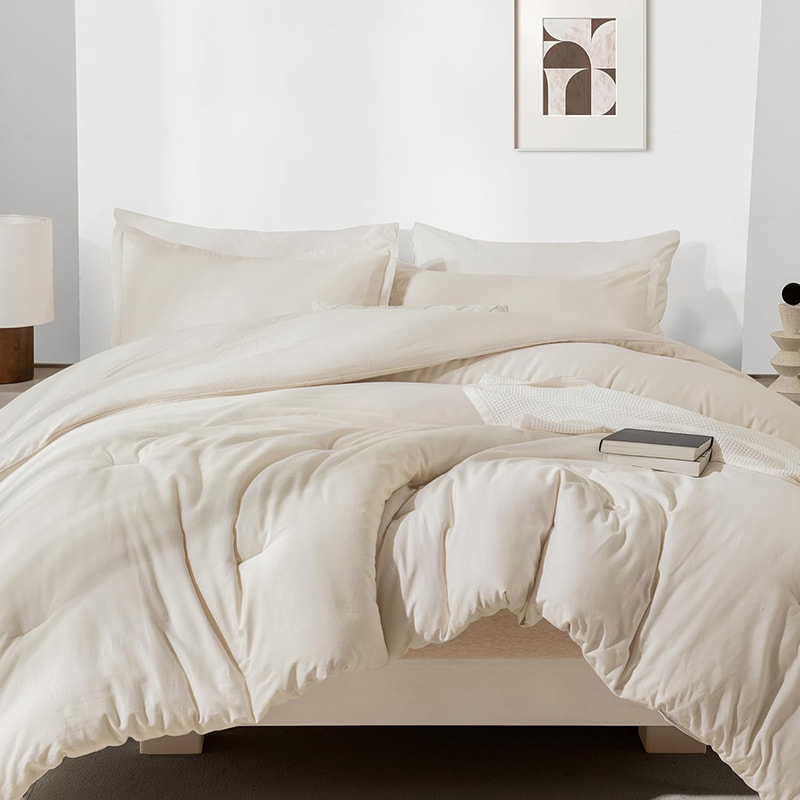
 Buttoned Cotton Duvet Cover with Corner StrapsA solid cotton duvet cover set with button closure, corner straps, and matching pillowcases, offering a clean hotel-inspired look and customizable options.View Product →
Our buttoned cotton duvet cover is one example of how a simple closure and a solid fabric can carry a clean, hotel-inspired look without relying on a loud print.
Print, Color, and Surface Design
Surface design is where customization becomes visible. A solid color depends on an approved lab dip; a print depends on artwork, repeat size, color separations, and a strike-off. For detailed or multi-color designs, digital printing can offer useful flexibility. For long, simple repeats, another method may be more suitable. The artwork and order profile should guide the choice.
Approvals should be reviewed under the lighting your customer will use, not only on a desk. Avoid names like “soft blue” on their own; attach a Pantone reference or a physical swatch. Confirm care labels, fiber content, and any performance claims before the print is approved, because the finish can affect the final hand feel.
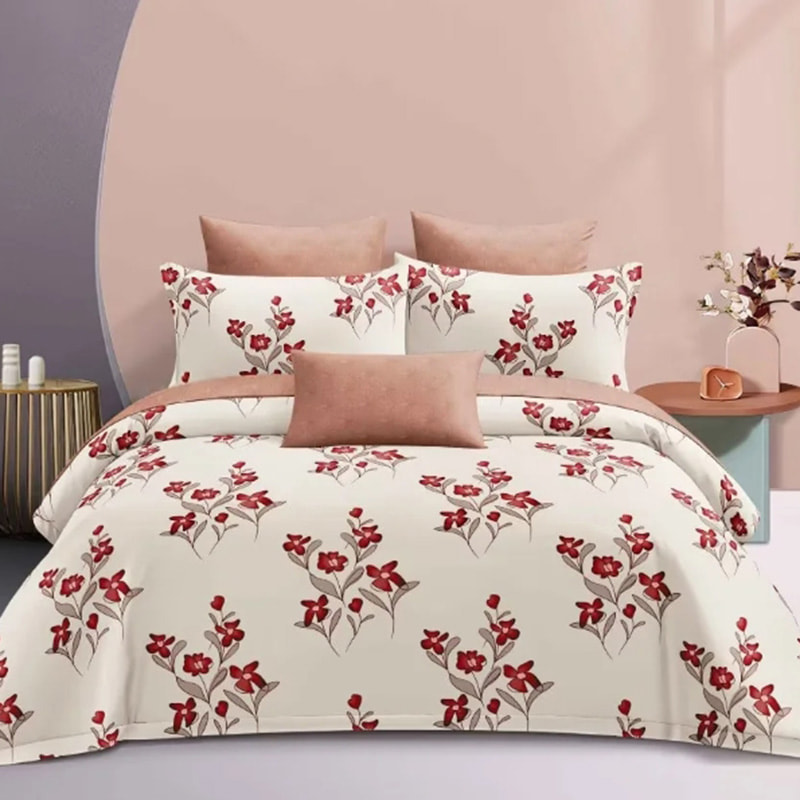
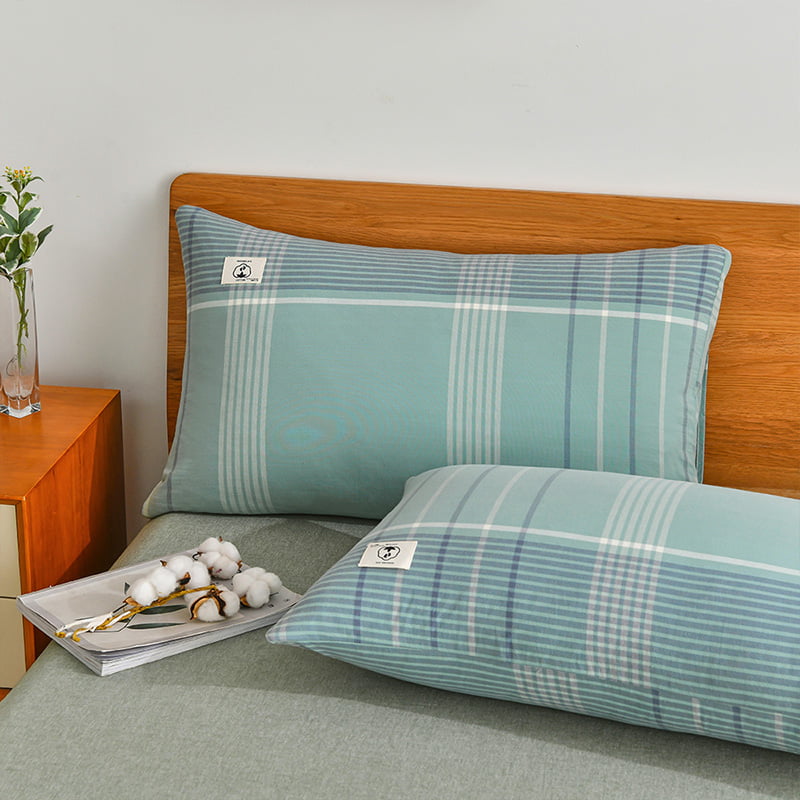 Printed Cotton Duvet Cover Set with Solid ReverseA four-piece cotton set with printed front, solid reverse, and mattress-friendly bedsheet pockets, suited to reviewing print and base-cloth combinations.View Product →
Printed cotton sets show why print and fabric should be developed together: the same artwork can look crisp on one base cloth and muted on another.
Construction Details That Change Daily Use
Closures are small features with a large effect. Buttons feel traditional, hidden zippers are quick, and envelope closures use no hardware. Interior corner ties help keep the duvet in place; if you specify them, confirm placement and attachment. For zippers, agree on tape width, slider quality, and whether the zip is concealed. For buttons, settle size, spacing, spares, and buttonhole direction.
Seams, piping, embroidery, and quilting need the same clarity. A jacquard cover builds pattern into the weave instead of printing it, so the design must be reviewed as a woven structure, not just a digital file. The result can be rich in texture, but the hand feel and care advice will differ from a printed cover.
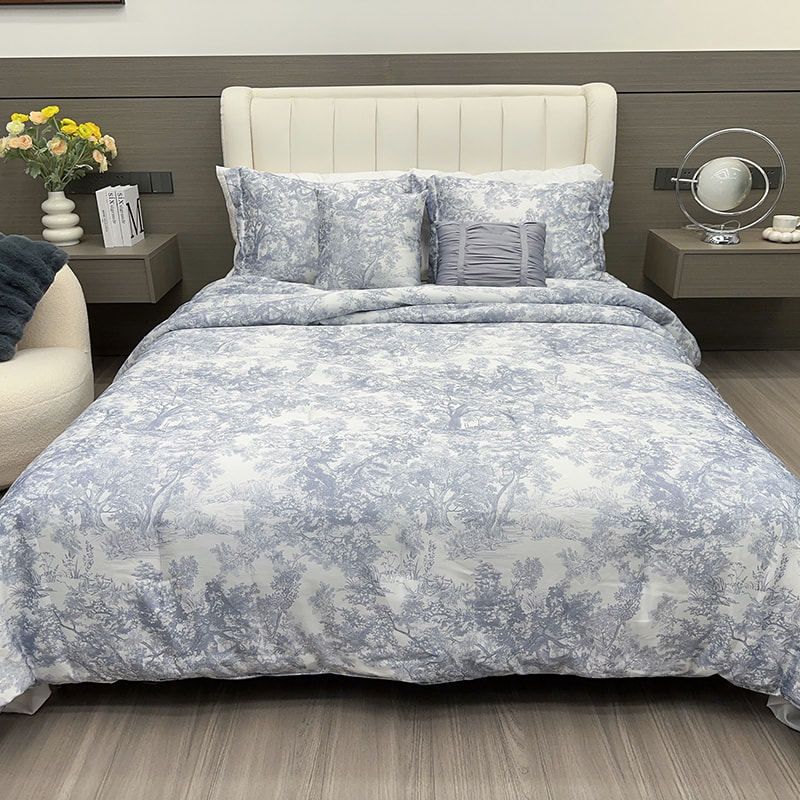
 Cotton Double-Layer Yarn Jacquard Duvet Cover SetA textured jacquard cotton set with bow closures, corner straps, and a plain reverse, useful when woven texture rather than print should carry the design.View Product →
Our cotton double-layer yarn jacquard duvet cover set is a useful reference when texture, rather than print, is meant to carry the design.
Build the Set, Then Protect It With Clear Quality Checks
A duvet cover rarely travels alone. It may be packed with shams, a fitted sheet, a comforter, or a reusable bag. Decide the set count before costing: a three-piece set and a nine-piece set create different folding, packing, and carton plans. For retail, confirm hangtags, size labels, fiber content, care symbols, barcodes, and polybag or fabric-bag choices. For hospitality, prioritize laundering durability, size consistency, and easy identification.
- Approve finished measurements before and after washing.
- Check colorfastness, seam strength, and closure function.
- Confirm the exact set contents and packing method.
- Keep a sealed approval sample for bulk reference.
A pre-production sample should be handled, washed if relevant, and checked against the specification, not just photographed. When the sample is approved, seal a reference piece and keep the signed details with it. These checks protect both sides. If a test is not requested, do not assume it is included; write it into the approved specification instead.
Custom Duvet Covers From a Textile Manufacturer
Rainbow Home Fashion supplies pure cotton sheets and comforters and offers a wider home textile range that includes printed, solid, jacquard, linen, bamboo, microfiber, and plush bedding. That breadth helps when one program needs several coordinated pieces rather than a single cover. We prefer to start with your market, price target, care requirements, and packaging, then suggest fabric and construction options that fit the brief.
If you are comparing directions, our FAQ page covers common sourcing questions. Clear specifications, approved samples, and honest conversations about cost and lead time are the best foundation for a smooth custom program.
A Practical Way to Move Forward
A customizable duvet cover works best when “custom” is treated as a set of documented choices: size, fabric, print, construction, set contents, and packing. That approach reduces rework and helps the final product feel intentional. If you have a market, a mood board, or a sample in mind, share it with our team through our contact page; we can help turn it into a specification that is practical to produce and easy to sell.

 +86-159 5050 0822
 peter@rainbowhomefashion.com
 No.199 Yimin Road, Dateng DIstrIct, Yancheng City. Jiangsu Province, China
