


 English
 Español
 عربى

At first glance, a cotton solid duvet cover is the quietest piece in the linen cupboard. No print, no trend-led pattern, no fuss. Yet it is often the cover that gets used every day, washed most often, and trusted to make a bed look finished without effort. At Rainbow Home Fashion, our textile export experience since 2005 has taught us that this simple item succeeds only when the fabric, fit, and finishing are right. You can read more about our background in pure cotton bedding.
Content
What a Cotton Solid Duvet Cover Really Does
A duvet cover is a removable layer that protects the duvet insert and shapes the look of the bed. In a solid cotton version, the fabric carries the design. There is no print to hide loose weave, weak color, or poor stitching, so the quality has to stand on its own. That is why a good solid cover often feels more versatile than a patterned one: it works with linen sheets, washed cotton, hotel-white bedding, or a darker seasonal palette without fighting for attention.
Solid color also makes replacement easier. When one cover wears out or a hospitality order needs a fresh batch, matching a plain shade is far simpler than matching a discontinued print. For families, guest rooms, rental properties, and hotel housekeeping teams, that practical advantage matters as much as the handfeel. A cotton cover can be washed frequently, aired well, and folded neatly without losing its place in the room.
For buyers who want a complete bed presentation rather than a single cover, our six-piece cotton duvet cover set is a useful starting point.
 Six-Piece Pure Cotton Duvet Cover SetA complete cotton bedding set with zipper-closed duvet cover, four envelope pillowcases, and fully enclosed bedsheet for coordinated daily bedroom use.View Product →
Why Cotton Still Earns Its Place
Cotton is breathable, soft against the skin, and comfortable across seasons. It absorbs moisture better than many synthetic surfaces and feels cool when the room is warm, yet it can be layered with a warmer insert in winter. For a duvet cover, those qualities matter because the cover sits closest to the sleeper and is handled every day. A pure cotton cover also tends to develop a softer handfeel after washing, provided the fabric has been finished with care.
Fabric weight and weave
Not all cotton solid duvet covers feel the same. A plain weave can feel crisp and airy, while sateen has a smoother surface and a subtle luster. Heavier fabric may drape more fully and resist wrinkling, but it is not automatically better; a tightly woven medium-weight cotton can feel more comfortable than a dense fabric with a stiff finish. Buyers should ask about yarn quality, weave, finishing, and shrinkage rather than relying on thread count alone. A high count with poor fiber quality is still a poor cover.
Closure design is another quiet detail. A buttoned cotton duvet cover gives a traditional finish and is easy to repair if a button is lost, while a hidden zipper can look cleaner on a made bed. Either way, the opening should be reinforced, the corners should have ties or internal anchors, and the seams should sit flat after washing.
 Buttoned Cotton Duvet Cover SetA cotton duvet cover and two button-sealed pillowcases with corner straps, offering a traditional closure and secure quilt placement for daily use.View Product →
Fit, Closure, and Finishing Details
Sizing is where many otherwise good covers fall short. A cover that is too small strains at the corners and pulls the insert out of shape; one that is too large looks untidy and leaves excess fabric at the foot. Check the finished measurements, not only the cut fabric size, and allow for cotton’s natural relaxation after washing. Closure placement, corner ties, seam allowance, and stitch density all affect how the cover behaves in real use.
| What to check | Why it matters | A practical question |
|---|---|---|
| Fabric handfeel | Softness should survive washing, not just the first touch. | Can I test a sample after two home washes? |
| Weave and weight | Affects drape, breathability, and how crisp or smooth the bed looks. | Is the fabric plain weave, sateen, or a washed finish? |
| Colorfastness | Solid shades show fading and batch variation clearly. | Are lab dips and wash tests available for each shade? |
| Shrinkage control | Cotton can relax after washing, changing the fit. | What allowance is built into the finished size? |
| Stitching and closure | Buttons, zippers, ties, and seams take the most daily stress. | Are stress points reinforced and seams cleanly finished? |
| Size tolerance | Insert sizes and mattress depths vary by market. | Can the cover be checked against the intended insert? |
Color, Styling, and Everyday Use
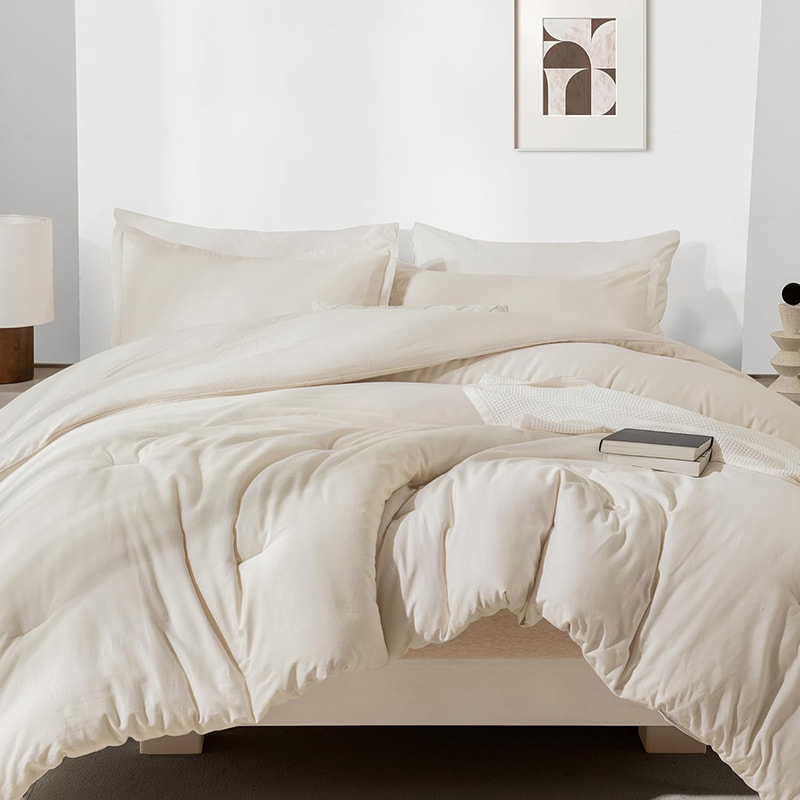
A solid cotton duvet cover is a calm base for layering. White and ivory keep a bed fresh and hotel-like; sage, clay, sand, and mist blue add softness without becoming dated; charcoal or navy give a room more weight. In a family home, a mid-tone shade can be more forgiving than bright white, while hospitality buyers often prefer white for its clean presentation and easy replacement. The best choice is usually the one that works with the room’s light, the headboard, and the way the bed is actually used.
For guest rooms and rental properties, a solid cover also simplifies turnover. Housekeeping can spot stains quickly, replace a single item without matching a print, and keep the bed looking consistent across rooms. For retail buyers, the same logic supports a tight color range rather than a wide scatter of shades that may sell unevenly.
Care That Keeps the Cover Looking New
Cotton is easy to care for, but small habits make a difference. Wash with like colors, use a mild detergent, and avoid overdosing on softener, which can coat the fibers and reduce breathability. Close zippers or button the cover before washing to protect the fabric and the machine. Tumble dry on low and remove promptly to limit wrinkles; line drying in shade also helps preserve color.
- Wash before first use if the cover will be used immediately, especially in hospitality settings.
- Treat stains promptly with cool water and a suitable detergent rather than hot water.
- Avoid chlorine bleach on colored cotton unless the care label specifically allows it.
- Check seams and closures after washing, and repair loose threads before they grow.
- Store folded and dry, away from damp walls or direct sunlight.
Good care is not complicated, but it is consistent. A cover that is washed sensibly and dried without excessive heat will usually keep its size, shade, and softness far longer.
Sourcing Notes for Importers and Hospitality Buyers
For trade buyers, the cotton solid duvet cover is deceptively simple. Solid shades reveal shade variation, uneven stitching, and poor shrinkage control more readily than busy prints. Start with a clear specification: fiber content, weave, finished size, closure type, corner ties, stitch density, shade reference, packing method, and care label wording. Then confirm those points on a pre-production sample and a production sample, not only in a catalog image.
Ask for wash and colorfastness reports, and check whether the fabric has been pre-shrunk or finished to an agreed allowance. For hotel orders, discuss replacement consistency; for retail orders, think about size assortment and packaging. Small details, such as whether the cover is sold alone or as a set, affect both price and shelf appeal. If you would like to discuss a specification or request a sample, contact our team and we will help you match the cover to the intended market.



 +86-159 5050 0822
 peter@rainbowhomefashion.com
 No.199 Yimin Road, Dateng DIstrIct, Yancheng City. Jiangsu Province, China
