


 English
 Español
 عربى

A cotton soft washed microfiber quilt is one of those bedding phrases that sounds like a contradiction until you feel the fabric. Buyers often come to us looking for the calm, lived-in softness of a washed quilt, but they also want the breathable familiarity that cotton-minded customers expect. In practice, the name usually points to a quilt family where a soft-washed finish, fine microfiber hand feel, and cotton-rich options are discussed together rather than treated as separate ideas.
That is a useful starting point, but it is not enough for a sourcing decision. The details that matter are the face and back fabrics, the filling, the quilting pattern, the wash finish, the size range, and the care instructions. At Rainbow Home Fashion, we have worked in textile export from Yancheng since 2005, and we have learned that a relaxed quilt still needs a clear specification behind it. This guide walks through the points we would check before choosing a cotton soft washed microfiber quilt for a store, a hotel project, or a family bedroom.
Content
- 1 What Buyers Usually Mean by a Cotton Soft Washed Microfiber Quilt
- 2 Why the Soft-Washed Finish Changes the Way a Quilt Feels
- 3 A Simple Comparison: Cotton Touch and Soft-Washed Microfiber
- 4 Construction Details That Matter More Than the Label
- 5 Care Advice That Keeps a Washed Quilt Looking Relaxed
- 6 Matching the Quilt to the Buyer and the Bedroom
- 7 Sourcing Notes from Our Factory Floor
- 8 Questions We Hear Most Often
- 9 A Practical Choice, Not a Passing Trend
What Buyers Usually Mean by a Cotton Soft Washed Microfiber Quilt
The phrase is not a single standardized fiber name. In the market, it can describe quilts that use soft-washed microfiber for a smooth, supple hand feel, quilts that include cotton in the face or back, or quilt sets presented in a cotton soft washed microfiber category. The only safe way to compare offers is to ask what the fabric actually contains and where each material sits in the construction.
Soft-washed microfiber is valued for its smooth touch and easy drape. Cotton is valued for its natural hand, breathability, and the way it becomes more familiar with use. When the two ideas appear together, the goal is usually a quilt that feels less crisp than a new cotton quilt but more grounded than a high-sheen synthetic throw. For a closer look at why this combination appeals to buyers, our article on the appeal of cotton soft washed microfiber quilts covers the comfort and versatility side in more detail.
Before sampling, confirm four facts: the fiber content of the face fabric, the fiber content of the back fabric, the filling material and weight, and the exact nature of the washed finish. A good supplier should be able to answer those questions without turning them into a sales speech. Clear answers also make it easier to compare quotations from different factories on a like-for-like basis.
Why the Soft-Washed Finish Changes the Way a Quilt Feels
A wash finish is not just a marketing word. It changes how the fabric behaves in the hand and how the quilt falls over a bed. New fabric can feel stiff or papery, especially when it has been prepared for shipping. A soft wash treatment relaxes the fibers, reduces that freshly finished stiffness, and gives the surface a more muted, comfortable texture.
The effect is partly tactile and partly visual. A washed quilt tends to look less formal, with a softer surface and a more casual drape. That suits bedrooms that are meant to feel lived in, guest rooms that need an easy welcome, and retail displays that rely on touch rather than elaborate styling. It also means the quilt may show gentle surface variation, which is normal for a washed look and should be explained clearly in product descriptions.
Do not confuse a soft-washed finish with a guarantee against shrinkage, pilling, or color fading. Those outcomes depend on the base fabric, dye process, finishing controls, and care method. A reliable supplier will treat the wash as one part of the specification, not as a substitute for testing.
A Simple Comparison: Cotton Touch and Soft-Washed Microfiber
Buyers often ask us to explain the difference in plain language. The table below is a practical starting point for conversations with customers, not a laboratory report. The right choice depends on the feel the buyer wants, the price band, the care routine, and the climate where the quilt will be used.
| Priority | Cotton-rich quilt | Soft-washed microfiber quilt |
|---|---|---|
| First touch | Natural, initially crisper, softens with washing | Smooth and supple from the start |
| Drape | Firmer body, familiar bedding weight | Relaxed and fluid, often lighter in hand |
| Warmth | Breathable, moderate warmth depending on fill | Light to moderate warmth, good for layering |
| Care | May wrinkle more; benefits from careful drying | Often quick drying and less prone to creasing |
| Best fit | Cotton-loyal customers, hotels, natural-feel ranges | Family homes, guest rooms, easy-care collections |
Construction Details That Matter More Than the Label
A quilt can have the right words on the label and still disappoint in use. The construction decides how it wears, how it washes, and how neatly it sits on the bed. Start with the quilting pattern: a simple grid or diamond keeps filling in place, while a more decorative pattern adds surface interest. Check stitch density and thread tension, because loose or uneven quilting can lead to filling migration after washing.
Edge finishing is another quiet indicator. Binding should be straight, secure, and consistent around the corners. The filling should be distributed evenly without thin patches. If the quilt is sold as a set, confirm what is included: quilt only, quilt with shams, or a fuller set with decorative cushions. Size tolerances matter too, especially for export buyers who need the quilt to fit standard bed dimensions in their market.
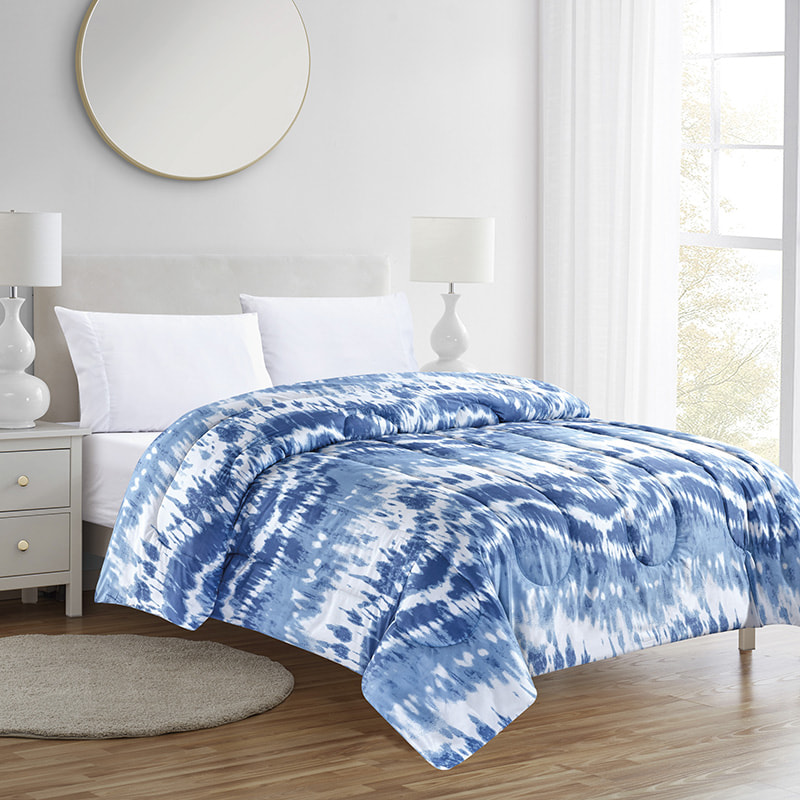
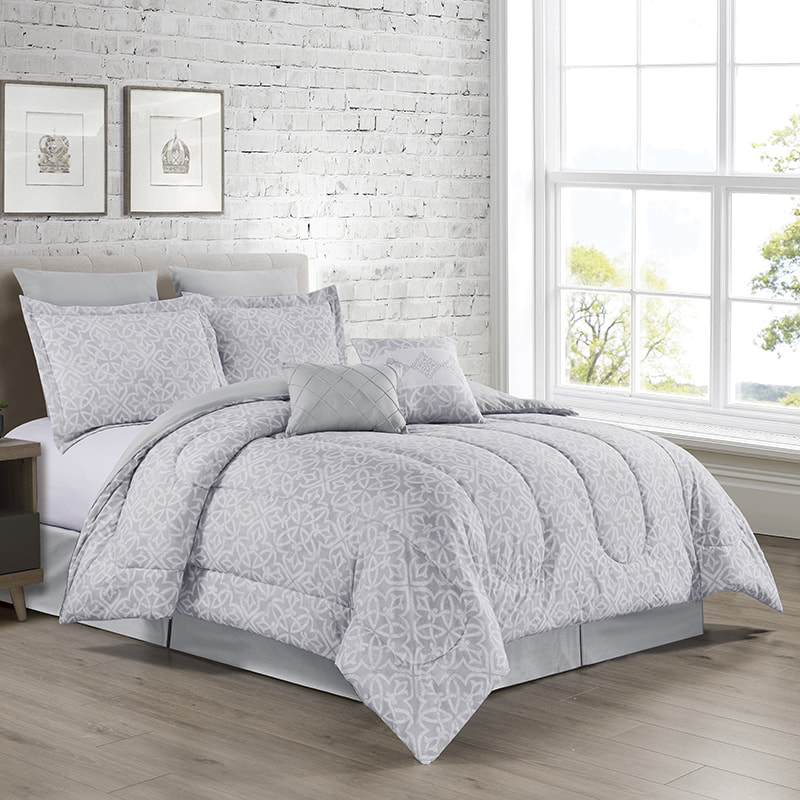
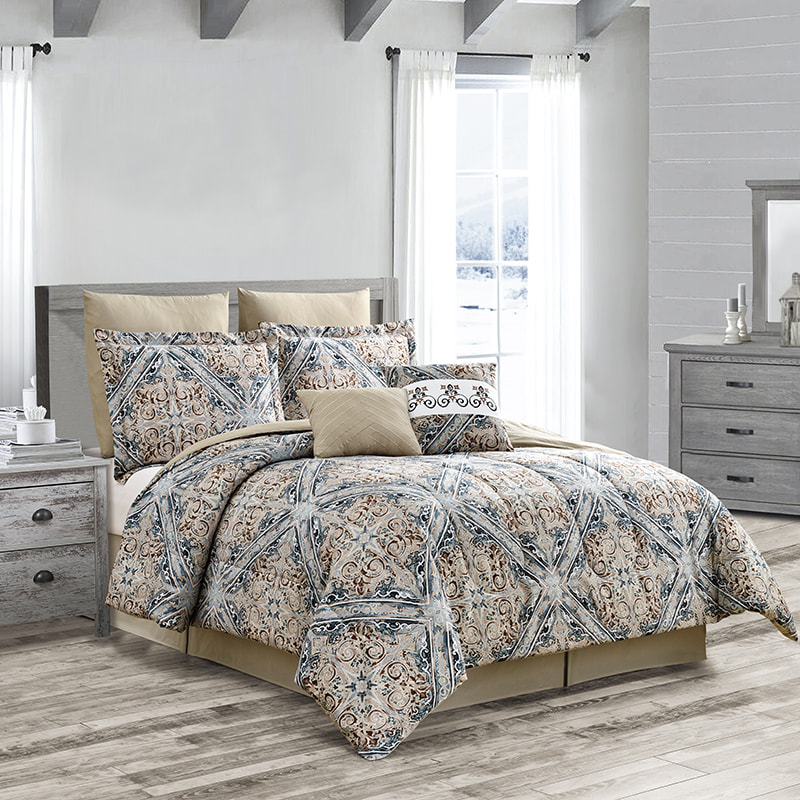
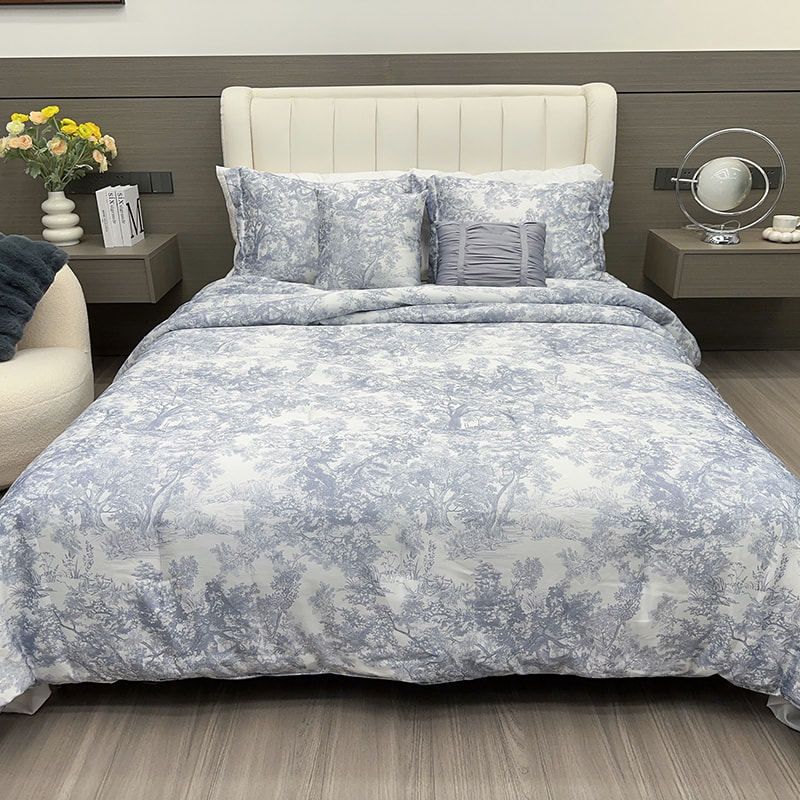
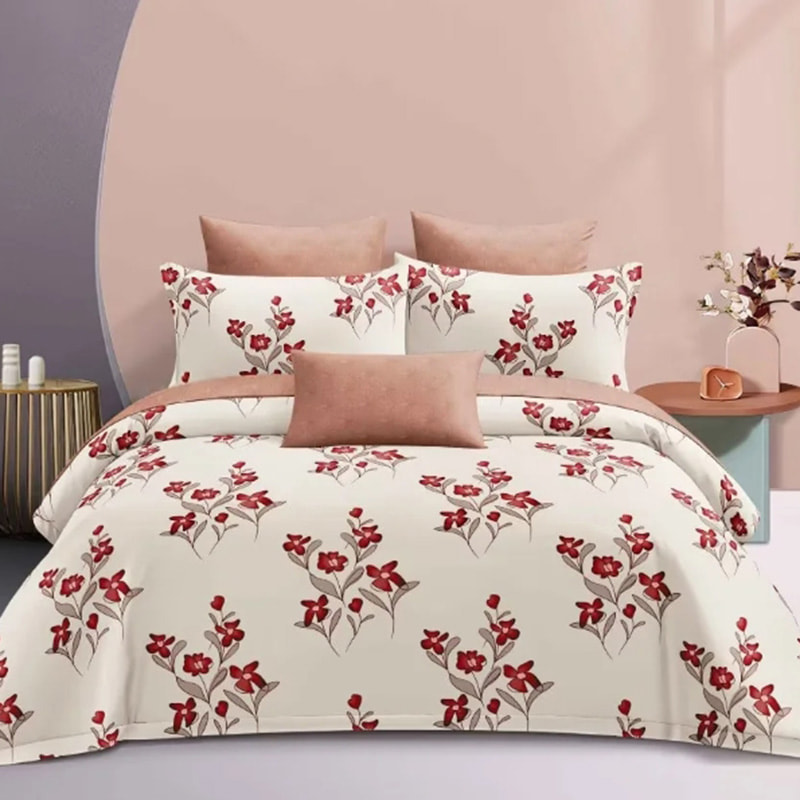
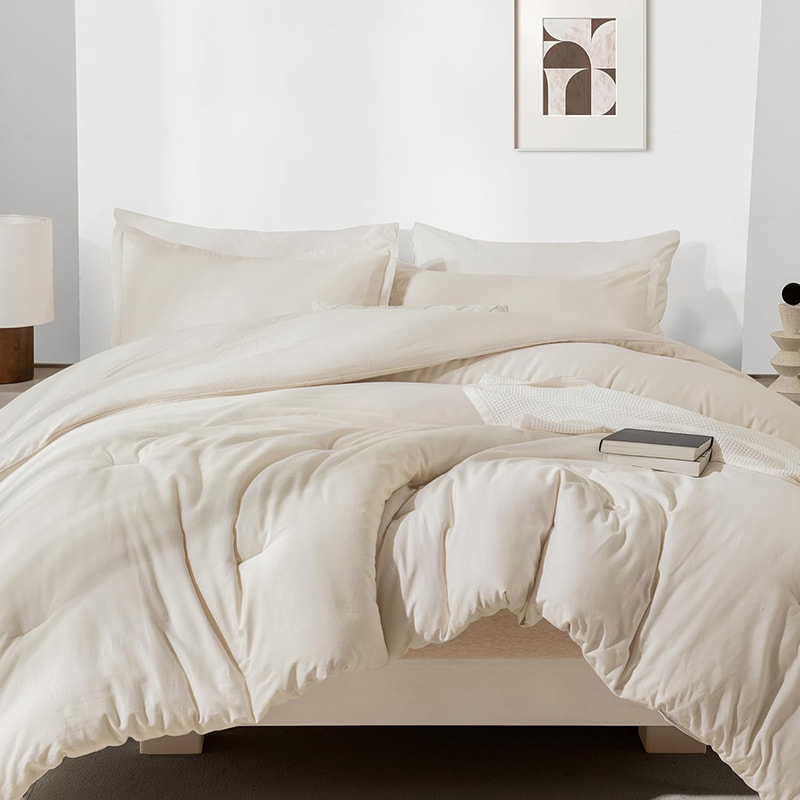
Two examples from our cotton soft washed microfiber quilt range show how construction changes the look. The checkered triple-quilted set uses a graphic quilted surface for a more structured appearance, while the pipeline-pattern water-washed set takes a softer, more relaxed route.
 Checkered Triple Quilted Quilt SetWater-washed three-piece quilt with square-grid triple quilting, presented as soft and shape-holding; compare its structured look with the pipeline style.View Product →
 Pipeline Pattern Water-Washed Cotton Quilt SetThree-piece washed cotton quilt with 1.5 cm pipeline stitching, low-shrinkage fabric and a relaxed look; compare its softer finish with the checkered set.View Product →
Neither style is automatically better. The checkered pattern may suit buyers who want a quilt that holds its shape visually, while the pipeline pattern may appeal to those building a calmer, wash-softened story. The important step is to compare the actual sample, not only the photo.
Care Advice That Keeps a Washed Quilt Looking Relaxed
Softness is easy to promise and easy to lose through rough care. For most quilts in this family, a gentle machine wash in cool water with a mild detergent is a sensible starting point, but the care label should always take priority. Avoid overdosing detergent, because residue can make the fabric feel stiff and dull. Avoid harsh bleach unless the supplier has confirmed it is suitable for the specific fabric and color.
Dry the quilt thoroughly but gently. A low tumble dry with dryer balls can help redistribute the filling, while line drying in the shade reduces unnecessary heat exposure. Shake the quilt out before drying and again before folding. For retail buyers, it is worth washing one sample according to the proposed care instructions and checking for shrinkage, seam puckering, color change, and surface pilling before placing a bulk order.
- Wash with similar colors and avoid overloading the machine.
- Use a mild detergent and skip unnecessary fabric softener.
- Dry thoroughly before storage to prevent damp odors.
- Fold loosely and store in a dry, ventilated space.
Matching the Quilt to the Buyer and the Bedroom
A cotton soft washed microfiber quilt can work across several channels, but the presentation should change with the buyer. For a family home, the priority is usually easy washing, a soft first touch, and a size that fits everyday beds. For a guest room or rental property, the quilt needs to look neat after repeated use and be simple for staff to care for. For a hotel project, the buyer will want consistent sizing, reliable color matching, and a finish that supports a calm room scheme.
Color and pattern also carry weight. A solid, washed-looking quilt can work as a neutral base for layered bedding, while a checkered or pipeline pattern gives the bed a little more direction without becoming a seasonal statement. Buyers serving different markets may need different size names and packaging formats, so it helps to discuss those details before sampling. A sample that looks beautiful but arrives in the wrong size or packing format is not a useful sample.
Think, too, about the customer’s washing habits. A quilt that needs delicate handling may suit a premium guest room but frustrate a busy family. A quilt that is easy to wash but feels thin may not support a hotel’s comfort standards. The best choice is the one that matches the real use, not the most impressive adjective on the specification sheet.
Sourcing Notes from Our Factory Floor
When we review a cotton soft washed microfiber quilt request, we start with the intended market and the expected care routine. From there, we can discuss fabric composition, quilting patterns, size sets, and packing. We do not treat a beautiful photo as a specification. The sample should show the actual hand feel, the actual quilting scale, and the actual edge finish.
For buyers planning a program, ask for a wash test and a clear care label before confirming the bulk order. Check whether the quilt will be sold as a single item or as part of a set, and confirm the measurements for each market. If the quilt will carry a brand label, discuss label placement and packing early rather than at the end. These small operational details often decide whether a product arrives looking as intended.
Our service team can walk through those questions with you and help turn a broad idea into a workable specification. We would rather have a straightforward conversation at the sample stage than discover a mismatch after production. That approach is not glamorous, but it is how a soft, washed quilt becomes a reliable product rather than a nice photograph.
Questions We Hear Most Often
Is a cotton soft washed microfiber quilt cotton or microfiber?
It depends on the specific product. The name may describe a category, a finish, or a blend story. Ask for the fiber content of the face, back, and filling, and confirm which part contains cotton and which part contains microfiber.
Will a soft-washed quilt pill after washing?
Pilling depends on fiber quality, fabric construction, finishing, and care. A wash test on a production sample is more useful than a general promise. Check the surface after two or three representative washes.
Is this quilt warm enough for winter?
Most quilts in this family are best described as light to moderate warmth. They work well as a top layer or in heated rooms. For colder bedrooms, buyers may prefer a heavier fill or a plush quilt set.
Can sizes and quilting patterns be customized?
That depends on the factory’s tooling and minimum order requirements. Bring the target size, pattern direction, color standard, and packing format to the conversation early so the sample reflects the real request.
A Practical Choice, Not a Passing Trend
The appeal of a cotton soft washed microfiber quilt is easy to understand. It offers a relaxed hand feel, a calm visual texture, and a practical route to bedding that does not feel stiff or overly formal. For buyers, the real value comes from matching that softness to a clear construction, a sensible care routine, and a market that will appreciate the difference.
If you are comparing options, begin with the sample in your hands, the fiber details on paper, and the wash instructions on the label. A quilt can be soft and still be well made. When those two things meet, the product is easier to sell, easier to care for, and easier to recommend with confidence.

 +86-159 5050 0822
 peter@rainbowhomefashion.com
 No.199 Yimin Road, Dateng DIstrIct, Yancheng City. Jiangsu Province, China
