


 English
 Español
 عربى
عربى
Most bamboo duvet covers look similar in product photos. The real difference appears after the first wash: one bed may develop soft, breathable fabric while another turns stiff and pilled. My advice after more than 20 years in textile manufacturing is simple: judge the product by fibre blend, weave density, and finishing process, not by the word “bamboo” printed on the packaging.
Content
How Bamboo Fabric Performs in a Duvet Cover
Bamboo bedding starts with bamboo pulp that is processed into viscose, modal, or lyocell fibre. The resulting textile feels smooth and cool, absorbs moisture quickly, and releases heat easily. These characteristics make a bamboo duvet cover especially useful for hot sleepers, humid climates, and people who dislike heavy covers.
Three types of bamboo fibre appear in bedding. Viscose bamboo is the most common and offers the classic soft, draping feel. Modal bamboo is usually stronger and more dimensionally stable, meaning it resists stretching. Lyocell bamboo has the cleanest solvent recovery among the three, so it typically carries a smaller environmental footprint. Brands do not always state which type they use, so reading the specification sheet is essential.
The table below uses common bedding criteria to compare bamboo with cotton and polyester:
| Property | Bamboo | Cotton | Polyester |
|---|---|---|---|
| Breathability | High | High | Low |
| Moisture wicking | Excellent | Good | Fair |
| Softness | Very soft | Soft | Can vary |
| Durability | Good | Good | Very high |
| Wrinkle resistance | Moderate | Low | High |
| Price | Higher | Medium | Lower |
Cotton is a solid benchmark, but bamboo often feels softer than cotton at the same thread count. Polyester is durable and low-cost, yet it traps heat and does not breathe as well. A 100% bamboo fabric can be prone to wrinkles if not finished carefully, while a blend with polyester adds structure.
What to Look for When Buying a Bamboo Duvet Cover
To avoid buying the wrong product, focus on three areas: how the fibre is blended, how the fabric is woven, and how the cover closes.
Fiber Content and Blends
Labels can be misleading. A duvet cover labeled “bamboo” may contain only a small percentage of bamboo viscose. Always check the fibre breakdown on the spec sheet. For everyday use, a 35% bamboo and 65% polyester blend balances softness with shape retention and easy care. If you want maximum coolness, choose a higher bamboo content, but be prepared for more delicate washing.
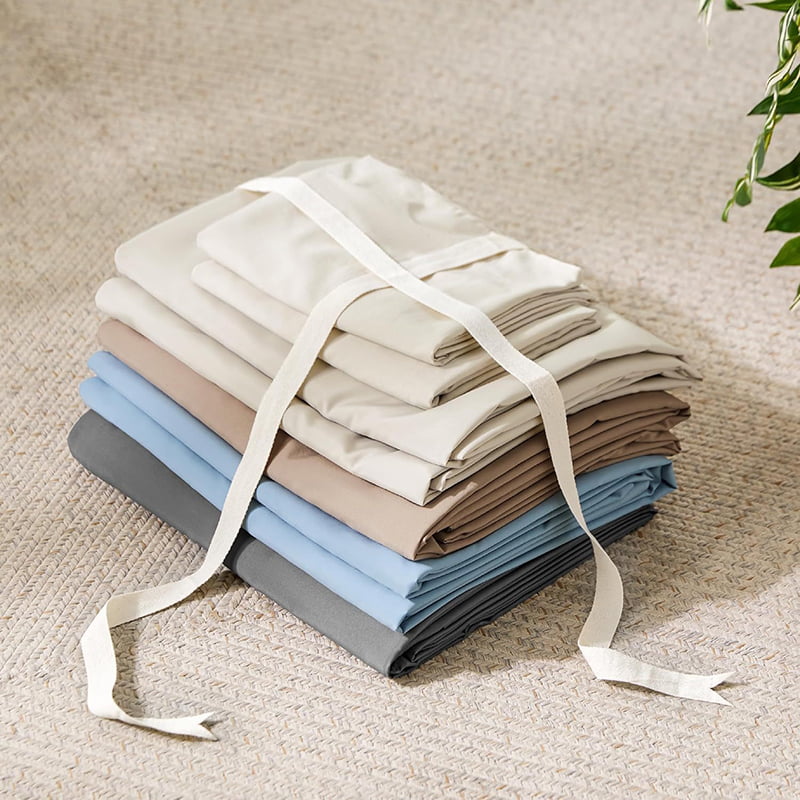 35% Bamboo 65% Polyester Duvet Cover Set with Pillow ShamThis blend balances softness with shape retention and offers a silky touch at a reduced cost. Ideal for everyday use, it includes corner straps and a zipper closure for easy care.View Product →
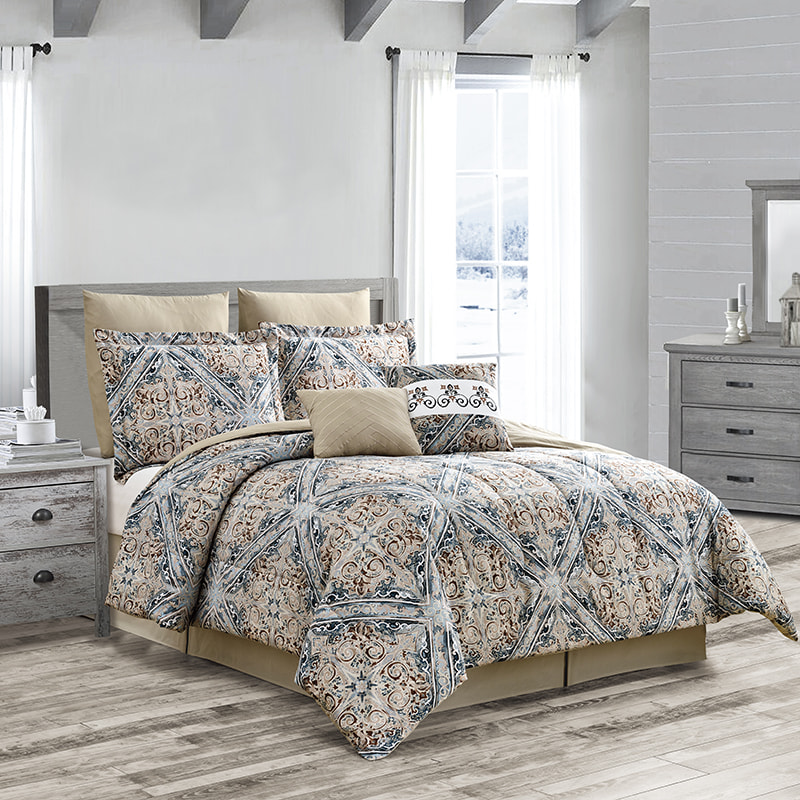
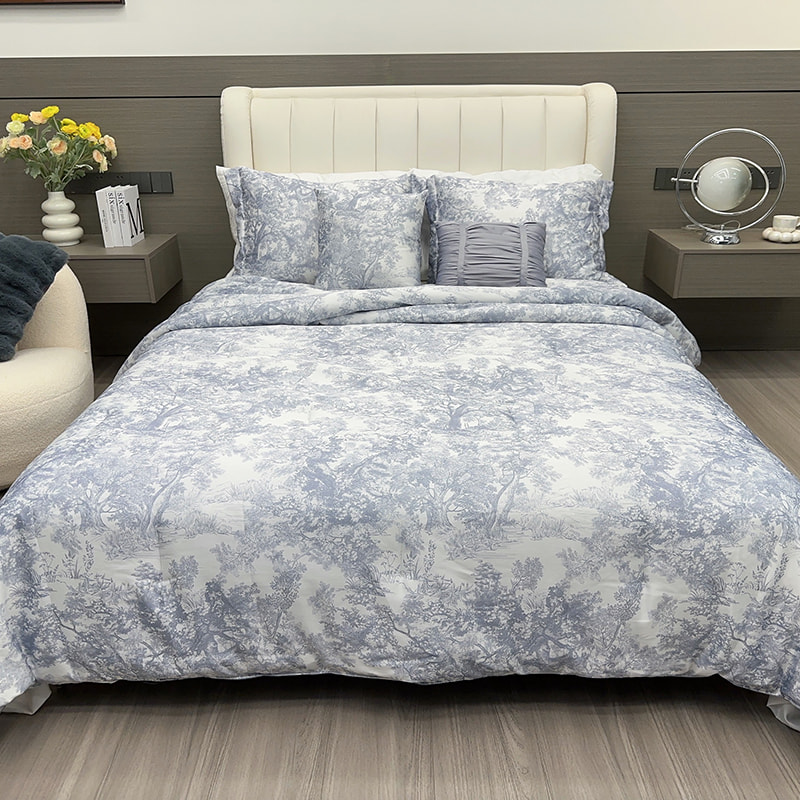
Some suppliers offer a 35/65 duvet cover set that avoids the excessive shrinkage of cheap cotton blends and keeps the smooth texture buyers expect. For decorative use, the colour of the duvet cover is just as important as the fabric. Darker shades show lint easily and may demand more frequent washing. Lighter neutral tones hide dust and pair well with rustic and modern interiors alike. Many bedding sets include a matching pillow sham, which simplifies the purchasing process.
Weave and Finish
Thread count matters, but it says little if the yarn quality is poor. Look for a sateen weave if you want a silky hand feel, or a percale weave if you prefer a crisp, cool touch. A bamboo sateen duvet cover with a thread count around 200 to 400 is a practical sweet spot. High thread counts above 600 are often marketing-driven and may not perform better.
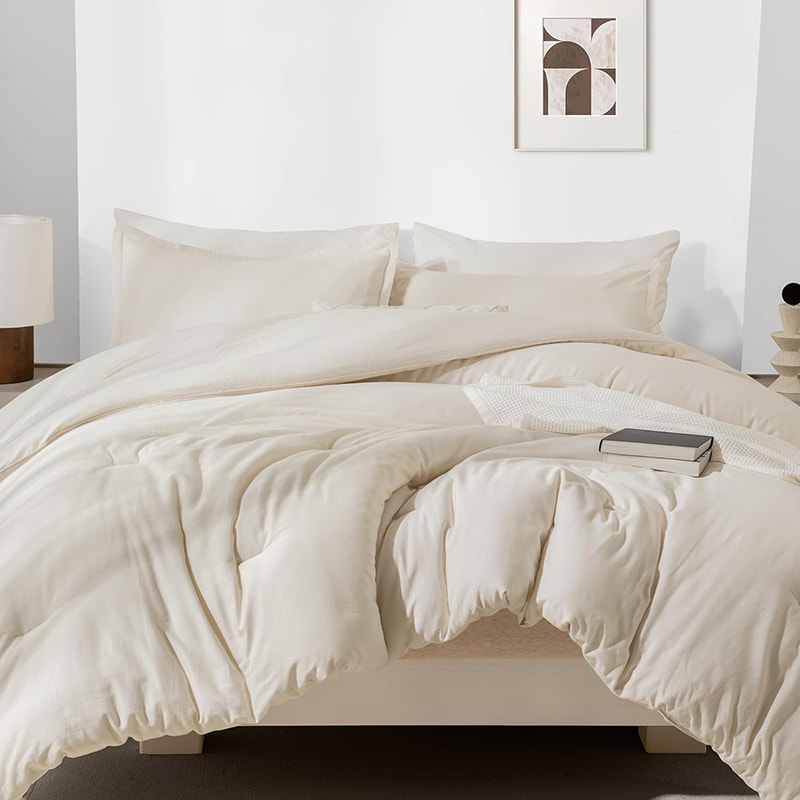
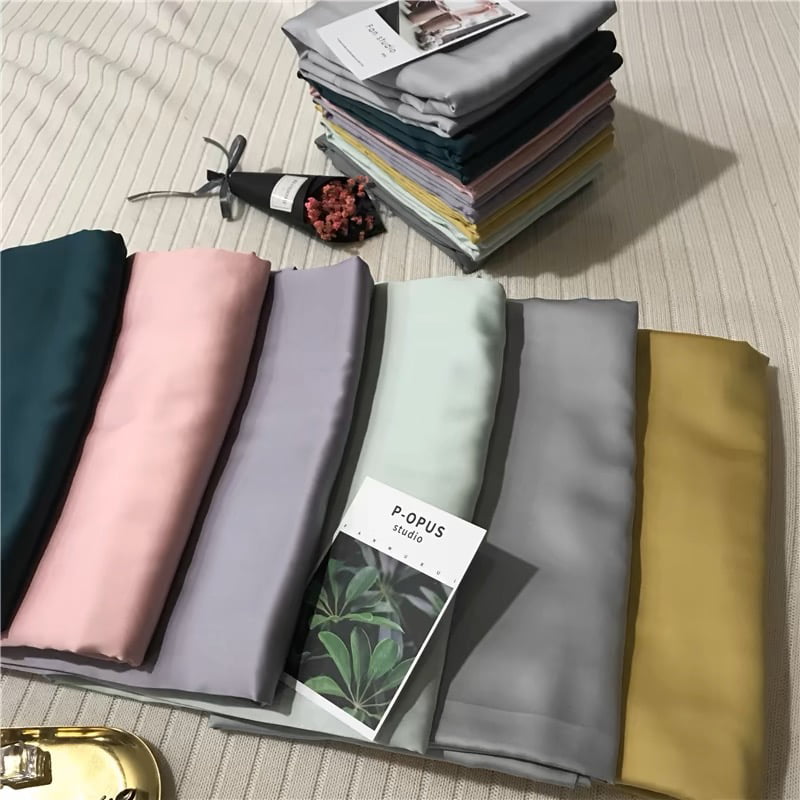 Solid Bamboo Sateen Duvet Cover with Pillow ShamA pure bamboo fiber option with a sateen weave for a silky hand feel and subtle sheen. Features a zipper, 5cm edged pillowcase, and multiple color choices for a personalized bedroom.View Product →
A solid bamboo duvet cover with a tight sateen weave resists pilling and keeps its colour after repeated washes. It also gives the bedroom a subtle sheen without looking shiny.
Dimensions and Closure
Before ordering, measure your duvet insert across both width and length. Most covers come in standard sizes, but European and US sizes differ. Corner ties hold the insert in place, while a hidden zipper with a fabric guard protects the comforter from direct contact with the zipper teeth. Seams with double stitching last longer, especially at the corners.
Quality Checks
Request a sample or a swatch before buying large quantities. Some checks you can do at home are: rub the fabric to see if it pills, soak it in cold water to check colour bleeding, and iron a corner to see how easily wrinkles release. A good bamboo duvet cover should have less than 3–5% shrink after the first wash, depending on the finish.
How to Care for Your Bamboo Duvet Cover
Proper care extends the life of a bamboo duvet cover. Wash it in cold or warm water below 30°C with a mild liquid detergent. Avoid bleach and fabric softeners; softeners can coat bamboo fibres and reduce their absorbency. Tumble dry on low or hang dry in the shade. High heat weakens the fibre and can cause shrinkage.
For detailed washing instructions, refer to this guide to washing a duvet cover.
If you dry in a machine, remove the cover while it is still slightly damp and smooth it out by hand to reduce wrinkles. To remove stains, treat them before the wash. Use a small amount of mild detergent directly on the stain and let it sit for five minutes, then rub gently with a soft brush. Avoid scrubbing hard because bamboo fibres can be damaged by rough friction. Store the cover in a dry place, folded loosely, and avoid plastic bags for long-term storage.
Sustainable Buying Considerations
Bamboo grows faster than cotton and needs less irrigation, but the fibre processing method determines whether the final fabric is actually sustainable. Closed-loop production recycles water and chemicals, while open-loop processes create more waste. Buyers who plan to resell bedding should ask for environmental documentation before placing a wholesale order.
We take the same approach in our own facility and regularly review our production chain; you can read more about our sustainable manufacturing practices.
For large orders, ask for a pre-shipment sample and test results for colour fastness and shrinkage. A reliable manufacturer should be able to provide these documents without hesitation. Buying directly from a manufacturer can help you control cost and quality. A factory that produces both the fabric and the finished duvet cover can keep the process consistent, while a trading company may source from multiple suppliers. Ask for a pre-production sample and, if possible, schedule a quality inspection during production.
The best bamboo duvet cover for your home is the one that matches your sleep priorities. If you sleep warm, choose a high-bamboo sateen or percale. If you want convenience, choose a blended fabric that resists wrinkles. Once you understand the fibre content, weave, and care routine, you can buy with confidence and enjoy a comfortable night for years.

 +86-159 5050 0822
 peter@rainbowhomefashion.com
 No.199 Yimin Road, Dateng DIstrIct, Yancheng City. Jiangsu Province, China