


 English
 Español
 عربى
عربى
Content
Choosing the Right Fabric for Durability and Comfort
Selecting the perfect sofa cover begins with understanding the material's properties and how they align with your household's lifestyle. For high-traffic living rooms, synthetic blends like polyester and spandex offer excellent elasticity, ensuring a snug fit that doesn't sag over time. If comfort is your primary concern, cotton-based covers provide a breathable, soft-to-the-touch surface that is ideal for sensitive skin. However, for homes with pets or young children, heavy-duty micro-fiber or treated canvas fabrics are preferable due to their resistance to snags, stains, and liquid penetration.
The weave of the fabric also plays a significant role in the longevity of the cover. A tighter weave generally prevents dust and pet hair from embedding deeply into the fibers, making maintenance significantly easier. When choosing, consider the weight of the fabric; "heavyweight" materials drape better and look more like original upholstery, whereas "lightweight" fabrics are easier to wash and dry quickly but may require more frequent tucking and adjustment.
A Comparison of Sofa Cover Styles and Fits
Sofa covers come in various designs, ranging from universal one-piece stretch covers to sophisticated multi-piece sets. The best choice depends on the specific silhouette of your furniture and how often the sofa is used. Below is a breakdown of the most common styles available in the market:
| Cover Type | Best For | Pros |
| Stretch Fit | Modern & Boxy Sofas | Stays in place, sleek look |
| Two-Piece/Multi-Piece | Sofas with loose cushions | Looks like custom upholstery |
| Throw/Drape Cover | Vintage or irregular shapes | Easy to remove and wash |
Essential Installation Techniques for a Seamless Look
Achieving the "Tucked-In" Finish
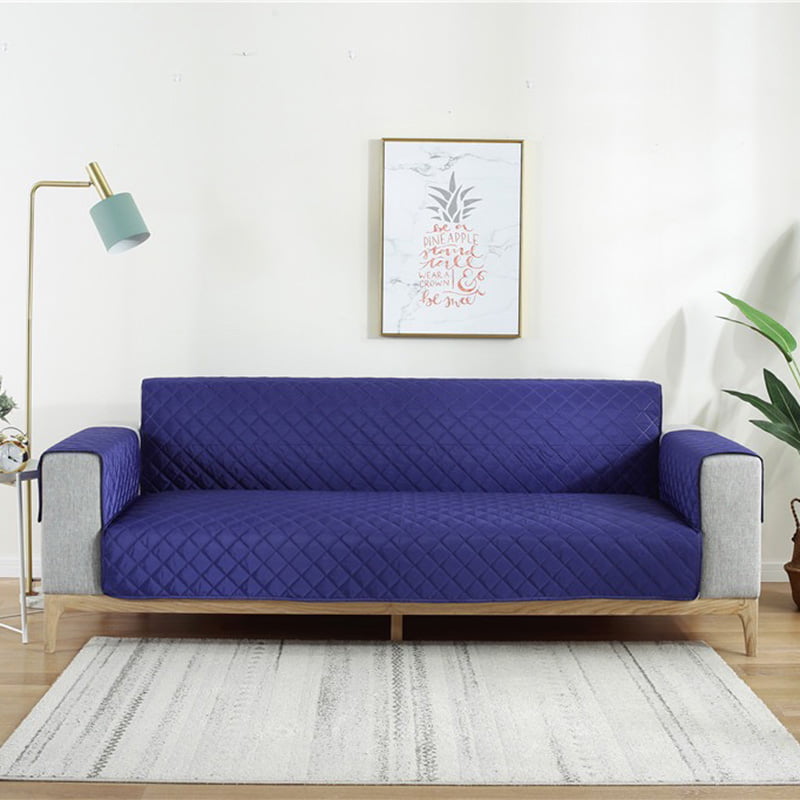
The biggest challenge with sofa covers is preventing them from shifting or wrinkling when someone sits down. To achieve a professional finish, always start by aligning the seams of the cover with the arms of the sofa. Use foam rollers or "tuck grips"—small cylindrical rods inserted into the crevices between the backrest and the seat—to lock the excess fabric in place. This creates tension across the seating surface, giving it a tailored appearance.
Managing Excess Fabric
If your cover is slightly larger than your sofa, focus the excess material toward the back and the sides where it can be hidden. Use upholstery pins or elastic straps underneath the frame to pull the fabric taut. This is particularly important for slipcovers made of non-stretch materials like linen, where precision in tucking determines the overall aesthetic success of the piece.
Maintenance and Care for Long-Lasting Protection
To ensure your sofa cover remains a functional and attractive part of your home decor, regular maintenance is required. While most covers are machine washable, following specific care instructions will prevent shrinking and fading. Consider the following tips for routine care:
- Wash in cold water on a gentle cycle to preserve the elastic fibers in stretch fabrics.
- Avoid using bleach or harsh chemicals that can break down the water-resistant coatings on performance fabrics.
- Air dry the covers whenever possible; if using a dryer, select a low-heat setting to prevent the fabric from becoming brittle.
- Vacuum the surface of the cover weekly to remove crumbs and pet dander before they become ground into the weave.
By rotating between two different covers, you can not only extend the life of each set but also easily update the mood of your living room according to the seasons—opting for light, airy colors in the summer and deep, warm tones in the winter.

 +86-159 5050 0822
 peter@rainbowhomefashion.com
 No.199 Yimin Road, Dateng DIstrIct, Yancheng City. Jiangsu Province, China